

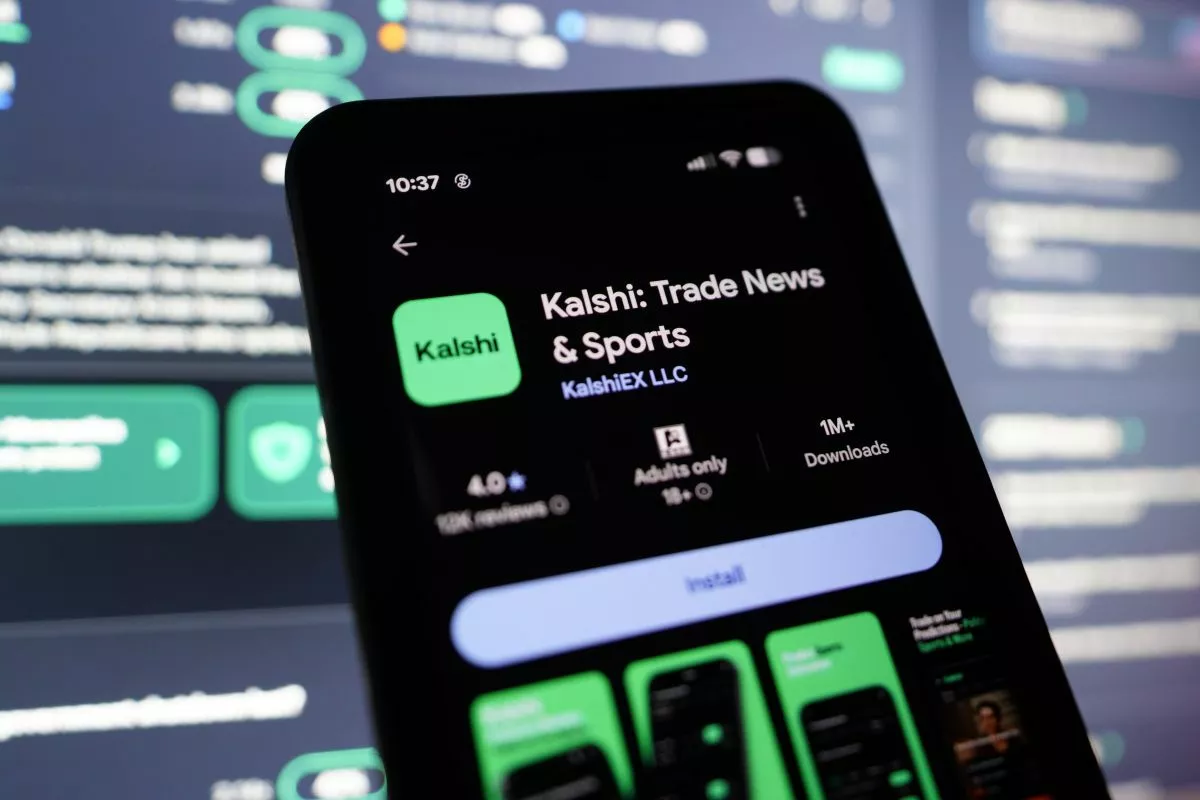
Prediction markets regulation have officially entered the mainstream, though not exactly smoothly. What used to feel like a niche product for traders and political junkies is now getting real scrutiny in Washington. If you have been following Kalshi or Polymarket lately, you can probably feel the shift. We are no longer in the “this is interesting” phase. Lawmakers are now openly talking about stepping in, which usually means change is coming sooner rather than later.
How These Markets Went From Quiet to Controversial
At their core, prediction markets are pretty straightforward. You trade on the outcomes of real-world events, and the price reflects the probability of those outcomes. A contract sitting at $0.60 suggests a 60% chance of happening. Simple enough.
That model worked quietly for years when the markets were smaller and more focused. Now they have expanded into sports, geopolitics, and just about anything people are willing to pay for. Once that happened, it stopped being a niche tool and started looking a lot more like something regulators would care about. That is where things started to pick up steam in D.C.
Insider Trading Concerns Are Driving the Urgency
The biggest reason this debate accelerated is the fear of insider trading. Some recent trades tied to major geopolitical events raised serious questions, especially when large positions appeared just before key developments. That kind of timing gets attention fast. Lawmakers are not just worried about fairness for regular users.
There is also concern that people with access to sensitive information, including government officials, could be using that edge to profit. You are already seeing bills introduced to address that. Some proposals focus on banning members of Congress and government staff from trading these markets entirely when it involves policy or political outcomes. Others are pushing for broader restrictions based on contract type.
The Fight Over Who Controls This Is Just Getting Started
A big part of this situation comes down to control. States and tribal gaming groups are looking at prediction markets and seeing something that feels very close to sports betting, especially when contracts are tied to games. From their point of view, this is cutting into tax revenue and skirting the rules sportsbooks must follow.
That is why several states want these platforms regulated like gambling. At the same time, companies like Kalshi are holding firm that they fall under federal oversight through the Commodity Futures Trading Commission. That disagreement is not small. It is the kind of issue that could end up being decided at the highest court.
Platforms Are Trying to Get Ahead of It
The companies involved are not ignoring what is happening. Both Kalshi and Polymarket have started tightening their rules, especially around insider trading. They are also being more proactive about how they present themselves to regulators and the public. We have even seen Kalshi run ads in Washington highlighting its safeguards.
That is not something you do unless you know the spotlight is on you. Still, lawmakers are thinking beyond what exists today. The concern is how big these platforms could get and what that would mean long-term.
Trade Handle Analysis on Prediction Markets
This feels like a turning point. The conversation is no longer theoretical. There is real momentum behind regulation, coming from both sides of the aisle. What we are watching closely is how the markets themselves react. When regulatory pressure builds, pricing tends to reflect that uncertainty. You might start seeing more conservative positions in long-term political or geopolitical markets as traders factor in the risk of restrictions or changes. For you as a user, this creates a different kind of environment.
News out of Washington is now part of the equation, not just the events being traded on. That can lead to volatility, though it also opens up opportunities if you are paying attention. The bottom line is pretty simple. Prediction markets are no longer flying under the radar, and whatever comes next will be shaped just as much by lawmakers as by the traders driving the action.