


Most prediction market products like Kalshi or Polymarket expect you to come to them. You download an app, set up an account, and figure things out from there. Market Machines flips that completely. After spending time with founder Jacob Kozhipatt, it feels like they are solving a very different problem than everyone else.
The idea is simple when you first hear it. Put prediction markets in places people already spend time, like gas stations, airports, and convenience stores. Once you think about it for a minute, it starts to feel like something that probably should have existed already.
Watch My Full Interview With Jacob Kozhipatt
I had a chance to catch up with Jacob during the conference, and the conversation stuck with me. He is not trying to improve the existing experience by a small margin. He is trying to change how people first encounter this entire category. So he was one of the first people I wanted to catch up with and interview post-conference.
Designed for a Quick Moment, Not a Deep Session
The product is built around short attention spans. You walk up to a machine, see a few markets, make a choice, and move on. There is no scrolling, no deep research, and no complicated interface to learn. Everything is curated and tied to what feels familiar.
Weather, local events, politics, things you already have an opinion on without needing to think too hard. That is what makes it approachable. It feels less like using a trading platform and more like interacting with something you would naturally tap through in a couple of minutes.
No App, No Account, No Extra Steps
One of the more interesting parts is how little setup is involved. You do not need to download anything or create an account. You interact with the machine, make your choice, and potentially get a printed receipt, but your trade will also be tied to an email or phone number.
That becomes your connection to the market. You can check the result or collect it later by scanning the receipt or bringing it up via your info. It keeps everything simple and removes the friction that usually stops people from getting started. From my perspective, that is the biggest difference. Most platforms lose people before they even get to their first trade.
It Shows Up Where You Already Are
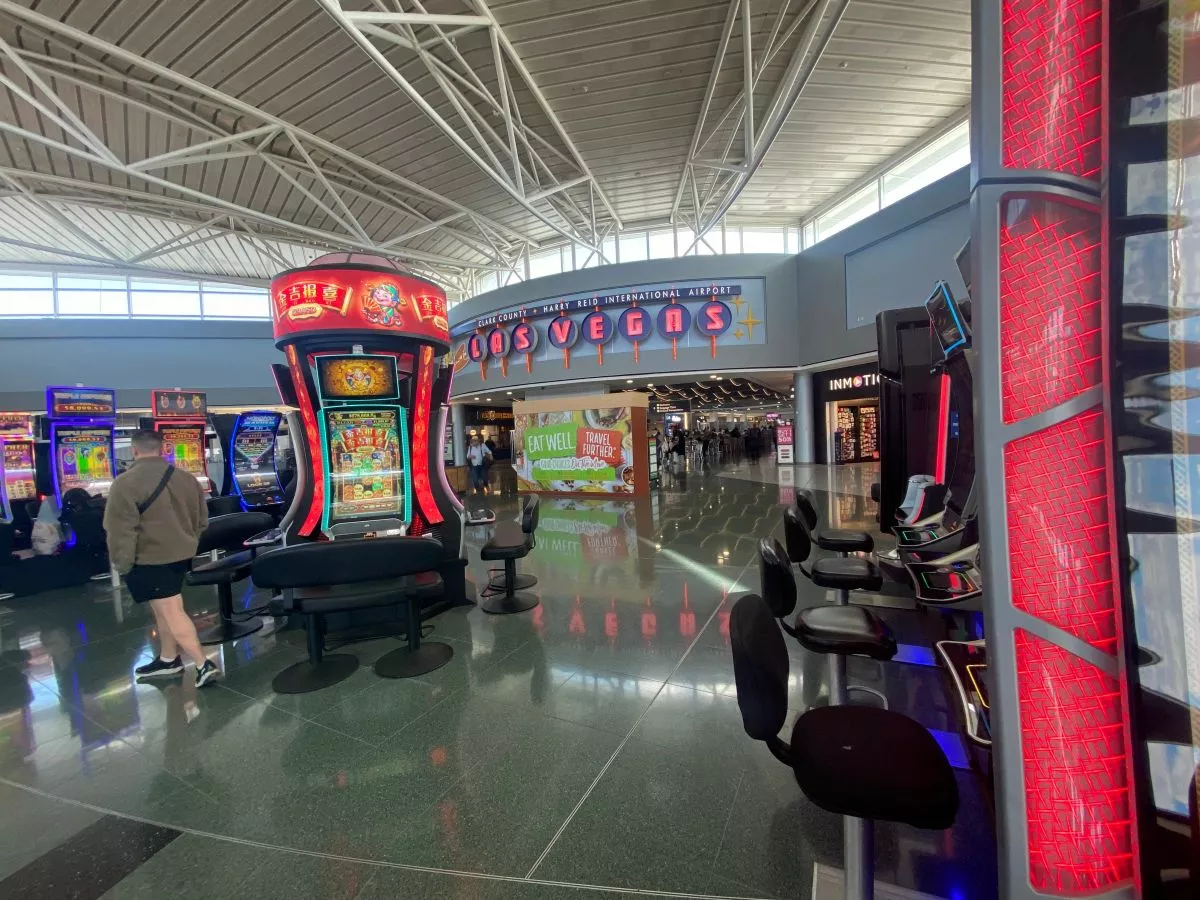
Placement is a big part of why this works. These machines are not meant to sit in niche locations. They are designed for places where people already have a few minutes to spare. Standing at a gas pump, waiting in line, sitting at an airport gate. Those are moments where people are looking for something quick to engage with.
This fits right into that gap without asking for much attention. It is a different way of thinking about user behavior, and it feels much more natural than trying to pull people into an app they weren't planning to open.
A Simple Setup for Businesses
There is also a clear benefit for the locations hosting these machines. They do not need to invest in hardware or deal with complicated installation. It is essentially plug-and-play, with revenue shared based on usage. That gives businesses a new way to generate income without adding much work.
Giving customers something to interact with, which can keep them around a little longer and bring them back again. It is one of those setups where both sides have a reason to say yes. It is something that is a change from the typical prediction market history.
Jacob Kozhipatt is Thinking About Behavior First
Talking with Jacob, what stood out most was his focus on how people actually act in the real world. He is not building for ideal users who want to spend time learning a platform. He is building for people who have a couple of minutes and want something simple.
That approach shows up in every part of the product. The speed, the simplicity, and the placement all connect back to that idea. It feels grounded in reality, which is not always the case in this space.
The Trade Handle Prediction Markets Take
Market Machines is one of the more interesting directions prediction markets have taken recently. It is not trying to win over the same users as existing platforms. It is going after people who are not using them at all.
That is where the real growth could come from, similar to how PredictIt focuses on political traders. Market Machines focuses on their own group of retail users, making this experience feel as natural as grabbing a drink or checking your phone while you wait. You open things up to a much wider audience. It is still early, though this feels like something you could start seeing out in the wild sooner than expected.