


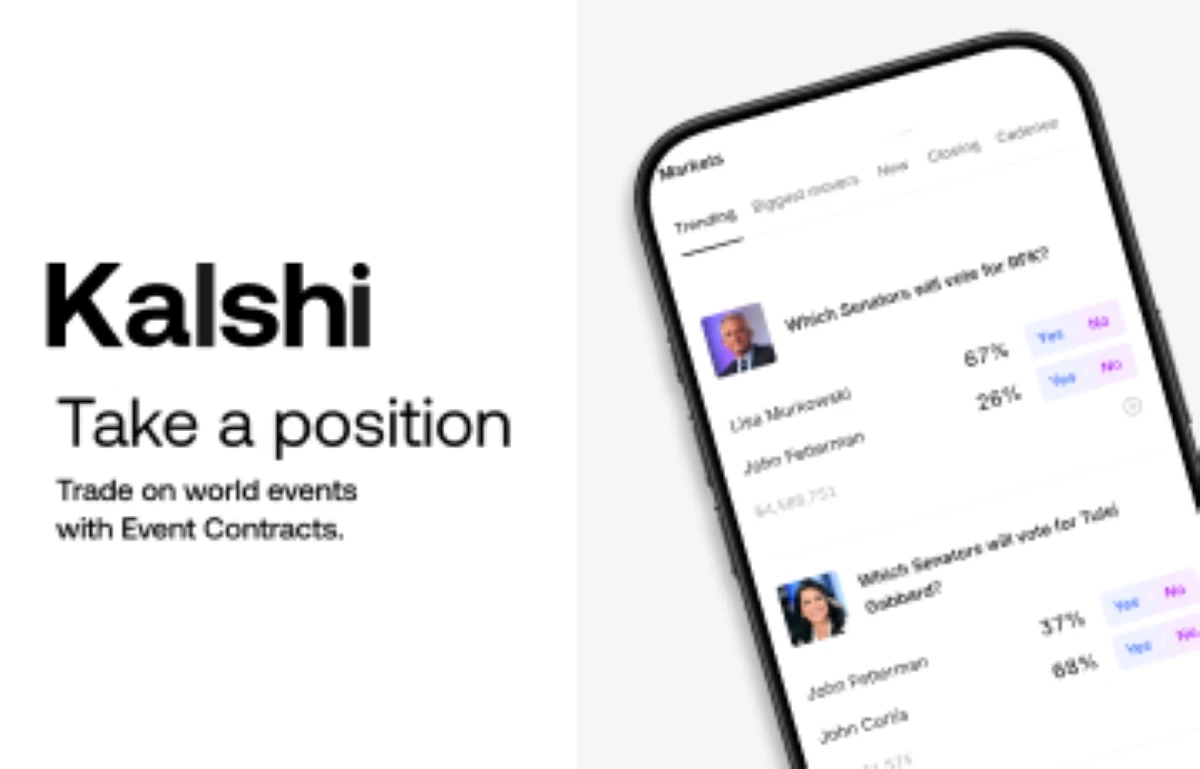
Prediction markets picked up another major legal victory this week, and this one could matter far beyond Arizona. A federal judge has blocked Arizona from pursuing criminal and civil enforcement against Kalshi over its sports and event contracts, siding with the argument that federal law overrides state gambling rules in this specific area.
From where we sit, this ruling continues a trend that is becoming harder for states to ignore. Courts are increasingly treating Kalshi less like a traditional wagering platform and more like a federally regulated financial exchange. That distinction is basically the entire fight right now.
The Judge Focused on Federal Oversight
The ruling centered around one key issue: who actually controls these markets? Arizona argued that Kalshi was offering unlicensed event wagering inside the state. Kalshi argued that its contracts fall under the jurisdiction of the Commodity Futures Trading Commission because they qualify as federally regulated derivatives. The judge ultimately leaned toward Kalshi’s position.
In the ruling, the court said federal law preempts state gambling laws with respect to derivatives traded on markets regulated by the CFTC. That is a massive point because it cuts directly into the argument many states have been making over the last year. The court also referenced the Third Circuit’s recent decision favoring Kalshi in New Jersey, showing that federal momentum is building around this interpretation.
Arizona Framed This as Gambling
Arizona’s position was pretty straightforward. State regulators viewed Kalshi’s event contracts as sports and election wagering, both operating without proper licenses. Officials previously sent cease-and-desist letters warning the company it could face criminal enforcement under Arizona gaming law. That argument still carries weight politically because, to most casual users, these markets look very similar to traditional sports apps.
Several judges in other cases have openly questioned where the practical difference really exists. That debate is not going away anytime soon. At the same time, the federal court here focused much more heavily on structure than appearance. Because Kalshi operates as a CFTC-regulated designated contract market, the judge held that federal oversight takes priority over state enforcement.
Why This Ruling Matters Beyond Arizona
This case is bigger than one state. Kalshi is currently fighting similar battles across the country, and the outcomes have not been fully consistent yet. Some courts have sided with states, while others have leaned toward federal preemption. That uncertainty is why every new ruling matters so much. If more courts continue backing Kalshi’s argument, prediction markets could gain a much clearer path toward nationwide expansion without needing individual state approval.
That would completely reshape the industry. The judge even acknowledged the broader tension directly in the ruling, describing the case as a clash between the state gambling authority and Congress’s decision to place derivatives markets under exclusive CFTC oversight. That framing perfectly captures where the industry sits right now.
The Trade Handle Prediction Markets Take
From where we sit, this is another very important win for Kalshi and the broader prediction market industry. Courts are increasingly willing to accept the argument that these platforms fall under federal financial regulation rather than traditional state gaming systems. That does not mean the fight is over. States are still pushing back aggressively, especially around sports-related markets.
Still, every ruling like this strengthens Kalshi’s position and increases pressure on regulators to define clearer national rules. The bigger takeaway is simple. Prediction markets are no longer operating on the fringe. They are now forcing courts to decide where finance ends, and even speculation begins.