


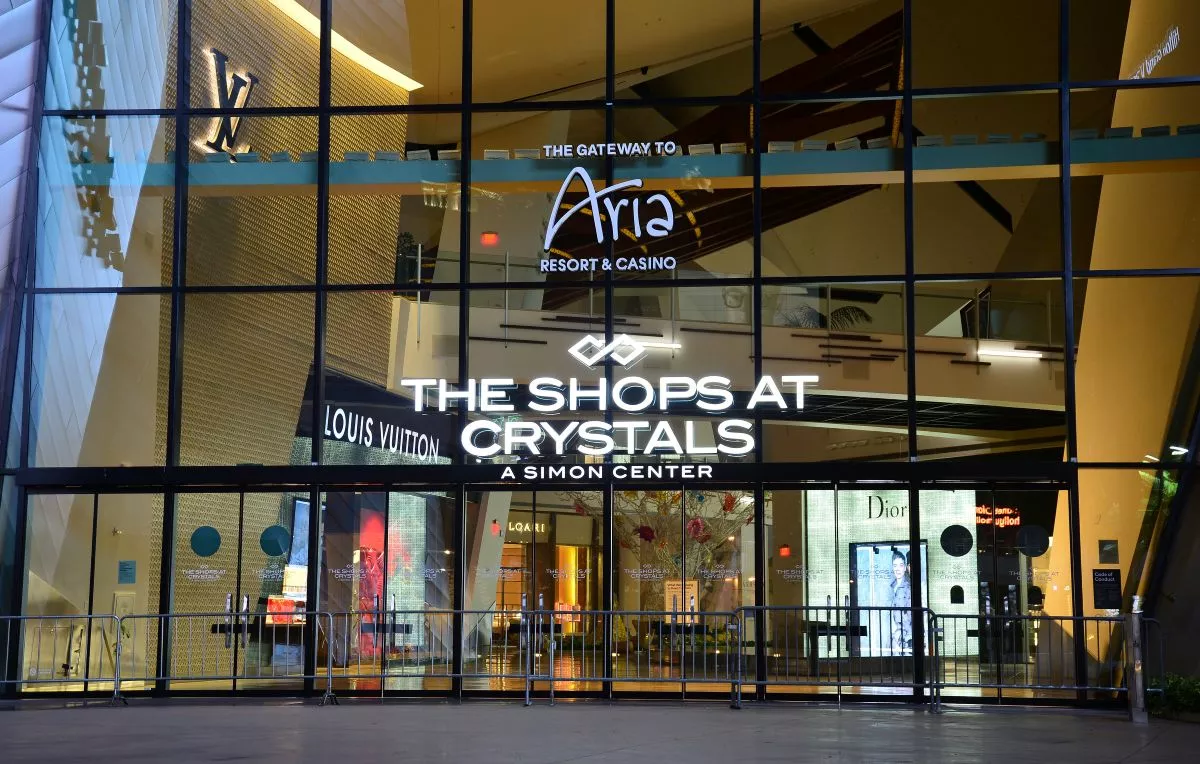
Prediction markets keep pushing deeper into the mainstream, though the industry’s relationship with Nevada gaming regulators looks increasingly tense. This week, reports surfaced that Predict 2026, a major prediction market conference scheduled for ARIA Resort & Casino in Las Vegas, was abruptly canceled after MGM Resorts reportedly became concerned about potential regulatory fallout. The conference had been planned for December before organizers were informed that the booking would not proceed.
According to reports from Barron’s and the New York Post, MGM’s concerns centered around Nevada’s increasingly aggressive stance toward prediction market companies and sports-related event contracts. That alone says a lot about where the industry currently stands. Prediction markets are growing rapidly, though traditional gaming power structures still appear extremely cautious about how closely they want to be associated with the category.
Nevada Keeps Sending Mixed Signals
Part of what makes this situation interesting is that Nevada regulators recently clarified that they are not opposed to prediction market conferences. The Nevada Gaming Control Board reportedly stated earlier this month that these events are not automatically illegal simply because they involve discussions of prediction markets. At the same time, regulators also reminded casino operators that maintaining gaming licenses requires strict compliance with Nevada gaming laws.
That warning matters because Nevada has already taken direct legal action against prediction market platforms like Kalshi over sports-related event contracts. From the outside, the message feels a little complicated. Conferences discussing prediction markets may technically be allowed, though casino operators clearly still worry about how regulators might interpret any relationship with the industry.
Traditional Casinos Still View Prediction Markets Carefully
The cancellation also highlights the widening divide between traditional casino companies and prediction market platforms. Prediction market companies continue to argue that their event contracts function as federally regulated financial products overseen by the Commodity Futures Trading Commission rather than as state-level gaming activity. Nevada regulators obviously view parts of that argument very differently, especially regarding sports-related contracts.
The state has repeatedly argued that certain event contracts closely resemble traditional sports gaming products, yet operate outside Nevada’s existing licensing system. That disagreement has created a pretty uncomfortable environment for large casino operators. MGM, Caesars, and other major gaming companies rely heavily on maintaining strong relationships with Nevada regulators.
Even indirect association with prediction market platforms now appears capable of creating concern internally. Kalshi responded aggressively after reports of the cancellation surfaced. A company spokesperson reportedly described the situation as “monopolies at work”. While pointing out that prediction market companies are not trying to shut down traditional gaming conferences.
Prediction Markets are Becoming Harder to Ignore
One thing that really stands out lately is how impossible it is for the broader gaming industry to ignore prediction markets. A few years ago, these platforms mostly operated quietly inside crypto communities and niche forecasting circles. Now they are creating enough disruption that conference bookings in Las Vegas are reportedly becoming politically sensitive. Meanwhile, prediction market companies continue expanding publicly through sports partnerships, media appearances, regulatory lawsuits, and mainstream branding campaigns.
Kalshi recently partnered with Madison Square Garden. Polymarket signed deals tied to international soccer. Federal regulators are openly discussing AI surveillance tied directly to these platforms. That growth keeps pulling prediction markets into direct conflict with existing gaming systems that have operated largely unchanged for decades.
The Trade Handle Prediction Markets Take
The canceled Las Vegas conference feels symbolic of the strange position prediction markets currently occupy. The industry is clearly growing so fast that regulators, casinos, leagues, and financial institutions feel forced to respond. At the same time, many traditional gaming operators still appear unsure how closely they want to engage with the space publicly. We also think this situation highlights how much larger the legal and political fight around prediction markets has become. These platforms are no longer operating quietly online. They are now directly challenging long-established structures across gaming, finance, and regulation.