


Ohio lawmakers are taking a much closer look at prediction markets, though this latest proposal is aimed less at the platforms themselves and more at the people working inside government. A newly introduced bill would ban a wide range of Ohio public officials and government employees from participating in prediction markets like Kalshi.
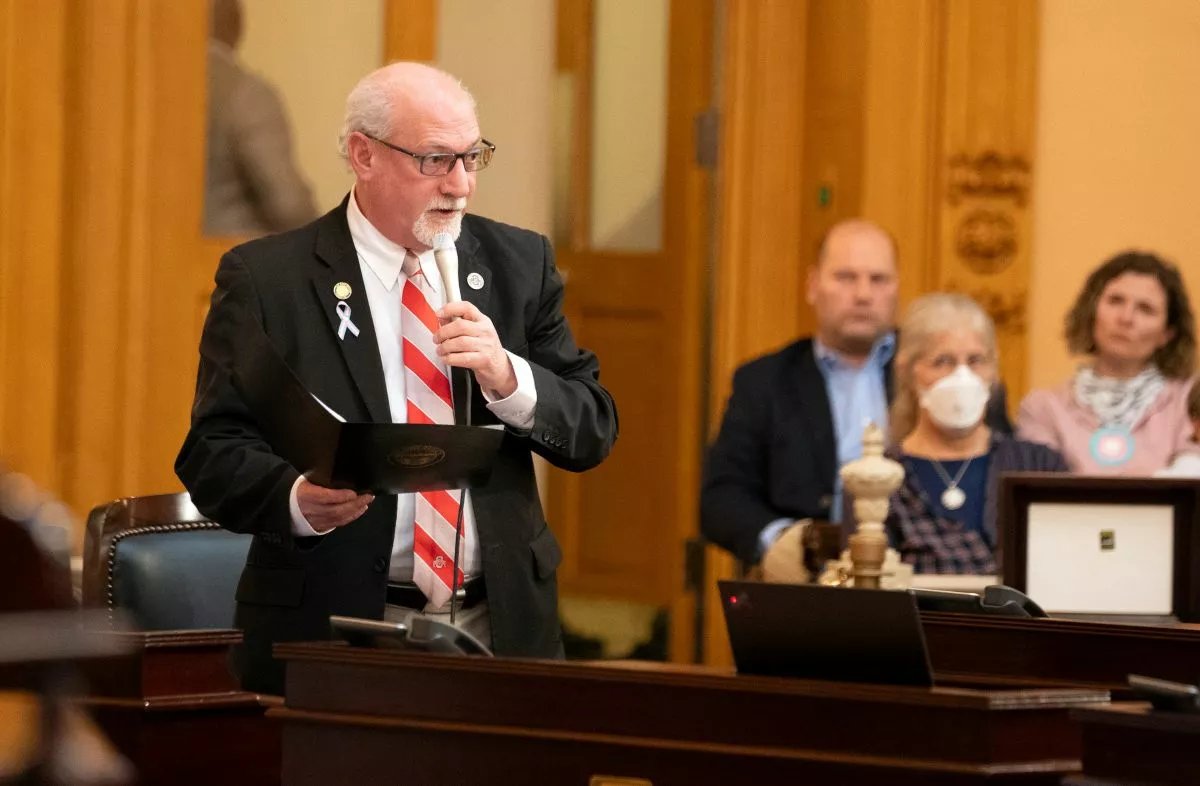
The proposal comes as these platforms continue gaining traction nationally, with state officials saying more than 35,000 Ohio users have participated on Kalshi over the past year alone. For Ohio lawmakers pushing the bill, the concern comes down to one thing: insider information. “The prediction market environment that we’re hearing about these days, it just doesn’t meet the smell test,” state Rep. Sean Brennan said while discussing the proposal.
Ohio Officials Say Prediction Markets Create Ethical Concerns
The bill would prohibit a long list of state officials from participating in prediction markets or from sharing confidential information that could help others profit from them. That list includes statewide office holders, lawmakers, judges, ethics officials, lottery regulators, casino regulators, and many state employees. Staff members would also be restricted from holding accounts on prediction market platforms.
If someone violated the law, the penalties could become serious quickly. The proposal includes potential fines up to $10,000 per violation, possible jail time, and repayment of any profits earned through the activity. Brennan argues the issue is less about prediction markets themselves and more about protecting public trust. From his perspective, government officials should not be in a position to benefit from information gained through their jobs.
Not Everyone Thinks the Bill Goes Far Enough
Some Ohio lawmakers agree with the broader idea while still questioning whether the proposal is too broad. State Sen. Bill DeMora said he supports restrictions tied directly to a public official’s work or influence. However, he does not necessarily believe that every form of participation in prediction markets should be banned outright.
That debate becomes more complicated when you consider how broad the prediction market category has become. These platforms now cover far more than politics. Users can participate in markets tied to sports, entertainment, economics, weather events, technology launches, public health trends, and even reality television. Critics of the restrictions also continue arguing that many prediction markets rely mostly on publicly available information rather than confidential government data.
Ohio’s Fight With Kalshi Keeps Escalating
This bill also lands in the middle of Ohio’s ongoing conflict with Kalshi itself. Earlier this year, the Ohio Casino Control Commission moved toward imposing a $5 million penalty against the company, claiming Kalshi had ignored state regulations tied to sports event contracts and related tax obligations. Kalshi continues arguing that its products fall under federal commodities law rather than state gaming oversight. That legal fight is now playing out across multiple states as regulators and prediction market companies continue battling over jurisdiction.
Ohio Attorney General Dave Yost has already made his position very clear, arguing that prediction markets tied to sports should remain under state authority. Meanwhile, both Kalshi and Polymarket already maintain internal restrictions preventing politicians, campaign staffers, and certain insiders from participating in markets directly connected to their positions.
The Trade Handle Prediction Markets Take
A few years ago, most lawmakers were barely talking about these platforms. Now, states are debating ethics laws, financial oversight, taxation, and concerns about insider information tied directly to prediction markets. Questions about insider activity are unlikely to go away anytime soon, especially as these markets continue to grow.
At the same time, lawmakers remain divided on where prediction markets fit within existing legal frameworks. One thing is becoming obvious, though. States are no longer treating prediction markets like a small internet trend. They are starting to regulate them like an industry that could become a much bigger part of the financial and gaming world moving forward.