


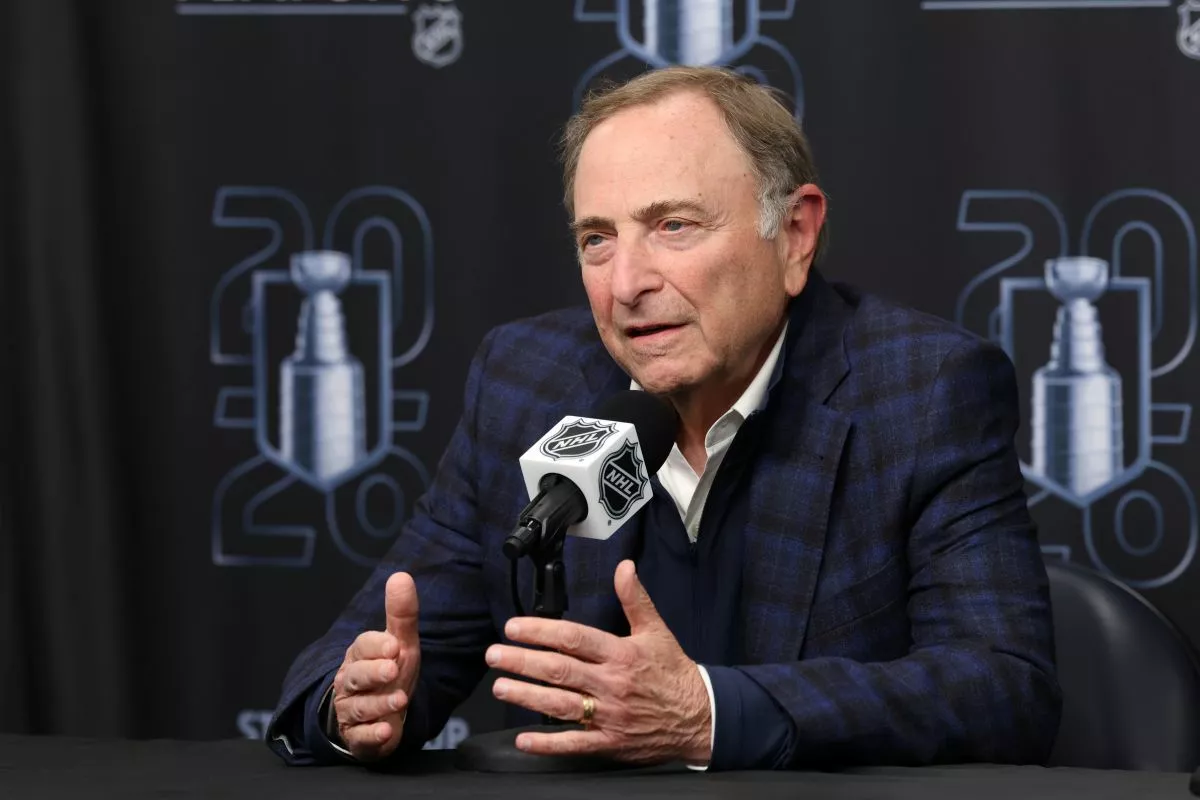
Prediction markets are becoming more connected to major sports leagues by the month, and the NHL just took another step in that direction. The league announced a new agreement with the Commodity Futures Trading Commission that creates a formal system for sharing information tied to prediction market activity involving professional hockey.
The timing is not random either. Stanley Cup playoff contracts have already been active on platforms like Kalshi and Polymarket this postseason. At the same time, regulators continue to debate how sports-related event contracts should be monitored moving forward.
The NHL Wants a Closer Eye on Market Activity
Under the new memorandum of understanding, the NHL and the CFTC will cooperate on issues tied to prediction market integrity. That includes sharing information related to suspicious activity, potential manipulation, or insider trading risks involving NHL-related contracts. CFTC Chair Michael Selig said the agreement is designed to help protect users and markets from abuse.
NHL Commissioner Gary Bettman echoed similar points, saying that maintaining trust in the sport remains critical as prediction markets continue to grow around professional leagues. This is not the first time the CFTC has moved in this direction, either. Major League Baseball finalized a similar agreement earlier this year around baseball-related prediction markets. MLB also announced Polymarket as an official prediction market partner shortly after that arrangement became public.
Sports Contracts Are No Longer Sitting on the Sidelines
A big part of this story is simply how fast prediction markets have moved into mainstream sports conversations. A year or two ago, leagues mostly publicly ignored these platforms. Now leagues are sitting down directly with federal regulators because the volume and visibility around sports contracts have become impossible to overlook. You can already see why leagues are paying attention. Markets tied to playoff series, championship winners, injuries, and player performances continue generating heavy engagement.
Once financial incentives become tied to real-time sports outcomes, leagues naturally want tighter oversight of who has access to sensitive information. The concern is not necessarily regular users participating in the markets. Internal injury updates, lineup changes, coaching decisions, or private team information could all potentially influence contract movement before the public sees it. That creates an entirely different layer of integrity concerns compared to normal fan engagement.
Federal Oversight Battles Continue to Escalate
This agreement also comes amid a broader legal and regulatory fight across the United States. The CFTC continues arguing that prediction markets fall under federal commodities law rather than individual state gaming regulations. That battle is already playing out in multiple states, including Minnesota, New York, Ohio, Illinois, and Connecticut.
Several states continue pushing back against sports-related event contracts, while the CFTC keeps filing lawsuits to defend its federal oversight authority. Meanwhile, Congress has started paying closer attention as well. Lawmakers recently raised questions about insider trading, manipulation concerns, and whether leagues or athletes could eventually become entangled in market integrity issues if the category continues to expand.
Polymarket also recently filed paperwork with the CFTC for combinatorial outcome contracts, which would allow users to combine multiple event outcomes into one contract. That would push prediction markets even deeper into more advanced sports products moving forward.
The Trade Handle Prediction Markets Take
The biggest shift here is that major sports leagues are no longer treating prediction markets as something happening outside the traditional sports world. The NHL partnering directly with the CFTC shows leagues increasingly expect these platforms to remain part of the long-term sports landscape. We also think this reflects how quickly prediction markets are maturing overall. Once federal regulators, professional leagues, and prediction market platforms begin coordinating directly, the industry will look a lot more established than many people expected only a short time ago.