

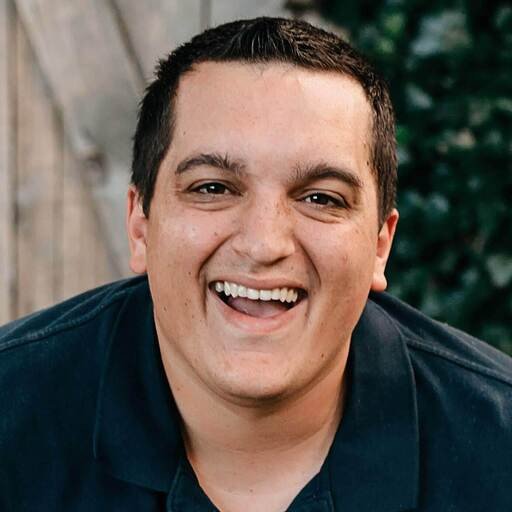
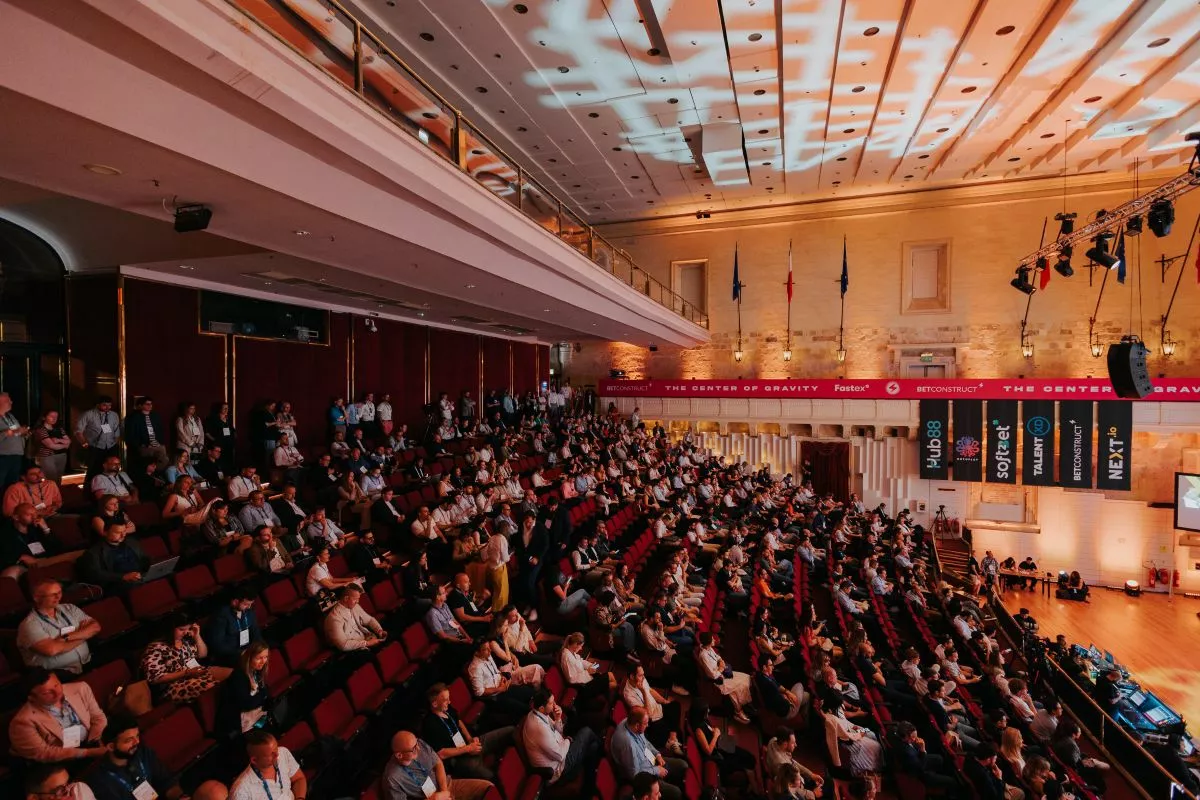
Prediction markets got their courtroom moment at NEXT Summit Malta, and the room did not exactly lack tension. Christopher Dalli, CEO of L&L Europe Limited, took the skeptical side. At the same time, Noah Traisman, co-founder and CEO of Winible, defended the category as one of the most important new financial and entertainment products on the market.
The session worked because both sides came ready to swing. Dalli questioned whether prediction markets are sustainable, ethical, and ready for real regulation. Traisman pushed back by arguing that the category is still early, misunderstood, and potentially safer in the long term than many legacy products already accepted across the industry.
Prediction Markets Were One of Malta’s Loudest Conversations
One thing both speakers seemed to agree on was that prediction markets were everywhere at this year’s NEXT event. That alone says a lot. This is no longer a side conversation happening in the hallway between a few curious people. In fact, it was a conversation taking place on the biggest stage at Next in Malta.
Dalli opened by questioning whether prediction markets are mainly thriving in places where traditional sports markets are restricted. Traisman disagreed with that framing and argued the category is not simply succeeding because of regulatory gaps. From his view, prediction markets are creating a different type of user relationship built around price, information, and community-driven engagement. That distinction mattered throughout the debate. Dalli viewed much of the current growth as hype. Traisman viewed it as the early stage of a larger category, still maturing.
The Fight Over Casual Users Got Heated
Dalli’s sharpest argument centered on casual users. He argued that many users do not fully understand how these markets work until after they deposit money and lose it. From his perspective, that creates a weak long-term model with poor user value.
Traisman pushed back hard on that point. He argued that lifetime user value is not the only way to judge the future of prediction markets this early. He pointed instead to customer acquisition cost and the creator-driven ecosystems that platforms like Kalshi and Polymarket are building.
That was one of the stronger points from the pro side. Prediction markets are not just acquiring users through traditional paid channels. They are also growing through creators, social content, market sharing, and real-time conversation around events.
Insider Trading and Trust Took Center Stage
Dalli also raised one of the biggest concerns around prediction markets right now: insider information. He argued that if markets advertise themselves as truth machines while creating financial incentives for the use of nonpublic information, then the industry faces a serious ethical problem. Traisman did not ignore the issue. He said platforms like Kalshi and Polymarket discourage insider trading and argued that regulation needs to evolve alongside technology.
His broader point was that innovation often arrives before the perfect rulebook. The debate then widened into a bigger question. If prediction markets are criticized for market makers influencing prices or users losing money, Traisman asked why similar scrutiny is not applied consistently to public equities, commodities, futures, and platforms like stock trading. His argument was not that prediction markets should avoid oversight. It was that the standards should be applied fairly across financial products.
Regulation May Decide the Next Five Years
Dalli predicted that prediction markets are still in a hype stage and could lose momentum once regulation catches up. He believes legacy sportsbook operators may eventually regain ground once the space faces stricter rules, especially in regions like Europe.
Traisman took the opposite view. Barring major regulatory headwinds, he said he would be surprised if Kalshi and Polymarket are not thriving five years from now. He also acknowledged that the future may ultimately depend on the United States Supreme Court.
The Trade Handle Prediction Markets Take
From where we sit, Noah Traisman had the stronger long-term argument. Chris raised real concerns around user protection, market structure, and insider activity, but those feel like problems to solve rather than reasons to dismiss the category. Prediction markets are early, messy, and moving faster than regulation can keep up. That does not make them a passing trend. It makes them one of the most important new products the industry needs to understand.