


Walk around any major gaming conference right now, and eventually someone is going to bring up prediction markets. That happened repeatedly during NEXT Summit Malta. Operators were talking about them in hallways. Panels referenced them. Conversations kept circling back to the same question: what happens when the prediction market boom that started in the United States reaches Europe?
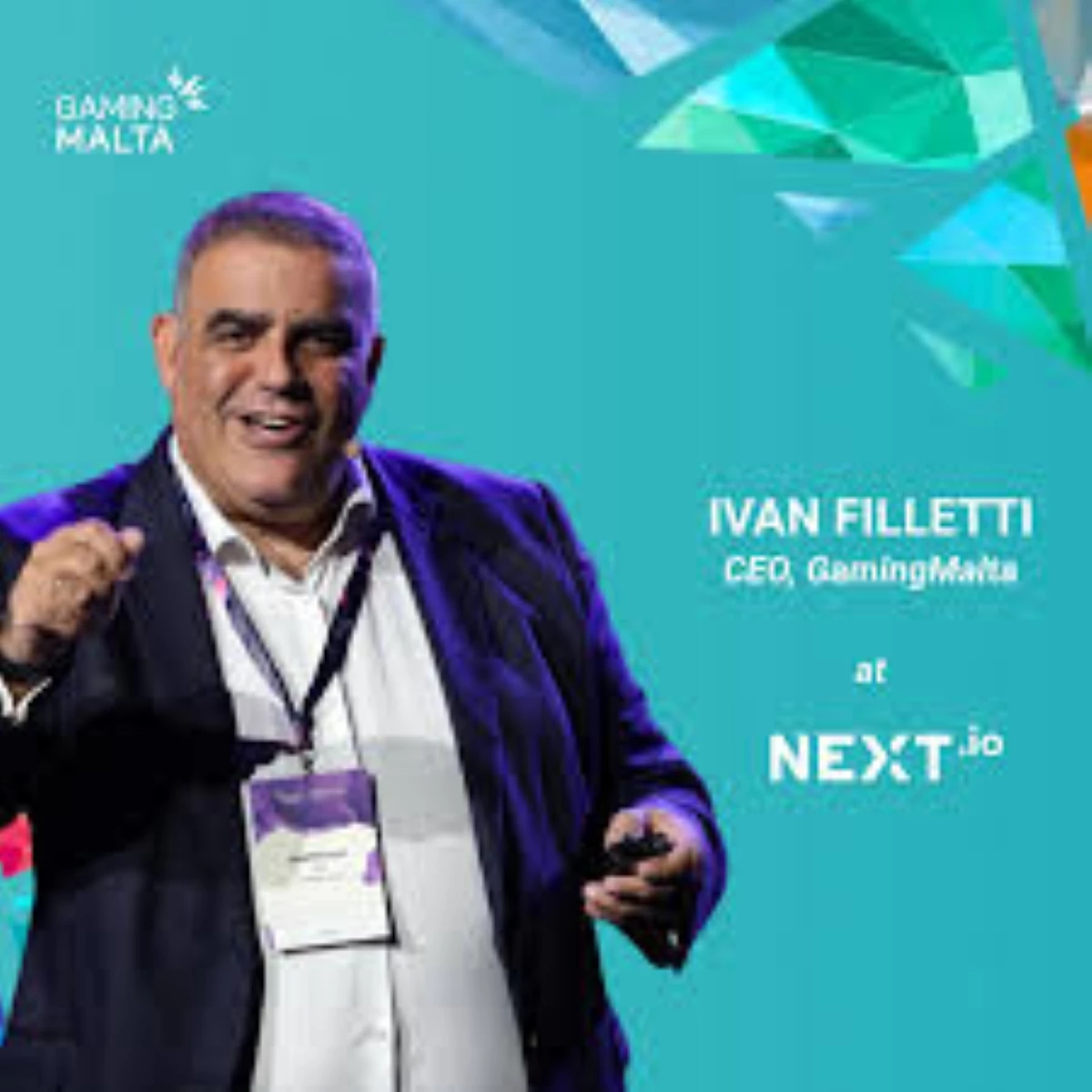
To get a better sense of how that conversation is developing, we sat down with GamingMalta CEO Ivan Filletti. What stood out wasn't excitement or skepticism. It was a measured approach. Not the kind of approach that says "no," but the kind that says, "let's understand this properly first."
Operators Are Already Asking Questions
One of the more interesting moments of our conversation came when Filletti talked about how often prediction markets come up in discussions with operators. This isn't some niche topic anymore. "Right now I speak to so many operators, and they tell me we should be looking into prediction markets," Filletti said. That comment stuck with us because it mirrors what we've been hearing across the industry.
Six months ago, prediction markets were mostly being discussed by a handful of companies and industry insiders. Today, many operators seem to be evaluating whether the category could become a meaningful part of their future strategy. The interest is there. Nobody we spoke with seemed to question that. The bigger question is how Europe handles what comes next.
The American Playbook Is Not Europe's Playbook
From a United States perspective, prediction markets arrived fast. Platforms launched. Users showed up. Trading volume exploded. Regulators have spent much of the last year trying to determine where everything fits. Europe appears to be looking at the situation from the opposite direction.
"We have to learn how to regulate it also," Filletti told us. That might sound simple, but it gets complicated quickly. Part of the challenge is that prediction markets don't fit neatly into a single box. Depending on the product, they can look similar to exchange-style gaming products.
In other situations, they can start looking more like financial instruments. That creates a fundamental question. Who should oversee them? As Filletti explained, consumer protection remains the priority. "The point is protecting the consumer. That's why regulation is important."
Why Malta's View Matters
GamingMalta does not regulate the industry. That responsibility belongs to the Malta Gaming Authority. Still, Malta's influence on the global gaming industry is hard to ignore. For years, operators worldwide have looked to Malta for guidance on licensing, compliance, and regulatory trends.
When new verticals emerge, people pay attention to how Malta reacts. That is one reason prediction market companies interested in Europe may eventually find themselves speaking with regulators on the island.
According to Filletti, the best approach is simple. "I would say an open and frank discussion and collaboration." That may not be the most exciting answer, but it is probably the most realistic one. New industries tend to move further and faster when regulators and businesses have conversations early rather than fight later.
Consumers Could Ultimately Decide
While regulation dominated much of our discussion, Filletti kept returning to another point. Demand matters. "We're already seeing an uptake in people in Europe wanting to use prediction markets," he said. That growing interest is one reason operators have become increasingly curious about the category. Filletti's perspective was practical.
If consumers want a product, the industry should find a responsible way to offer it rather than pretend the demand does not exist. "We've got to be nimble enough and entrepreneurial enough to take advantage of that."
That doesn't mean opening the doors tomorrow. It means preparing for a future where prediction markets may become a much larger part of the conversation.
The Trade Handle Take
The most interesting thing Ivan Filletti said wasn't about regulation. It was when he said, "We're all learning." That feels like the most honest description of where prediction markets stand in Europe today. Nobody is pretending to have all the answers. Regulators are studying the space. Operators are exploring opportunities.
Consumers are showing interest. Everyone is trying to figure out what this category will become over the next few years. The difference is that Europe appears determined to answer some of those questions before prediction markets reach the scale they've already achieved in the United States.
Whether that approach proves better remains to be seen. What is clear is that Malta is paying attention, and when Malta starts paying attention to a new gaming vertical, the rest of the industry usually does too.