

Prediction markets continue to find themselves in places few people expected just a year ago. This week, the conversation shifted from courtrooms and regulators to one of the country's largest local governments. The Maricopa County Board of Supervisors unanimously approved a new policy preventing county employees from using nonpublic information to profit through prediction markets, just days before Arizona's primary election.
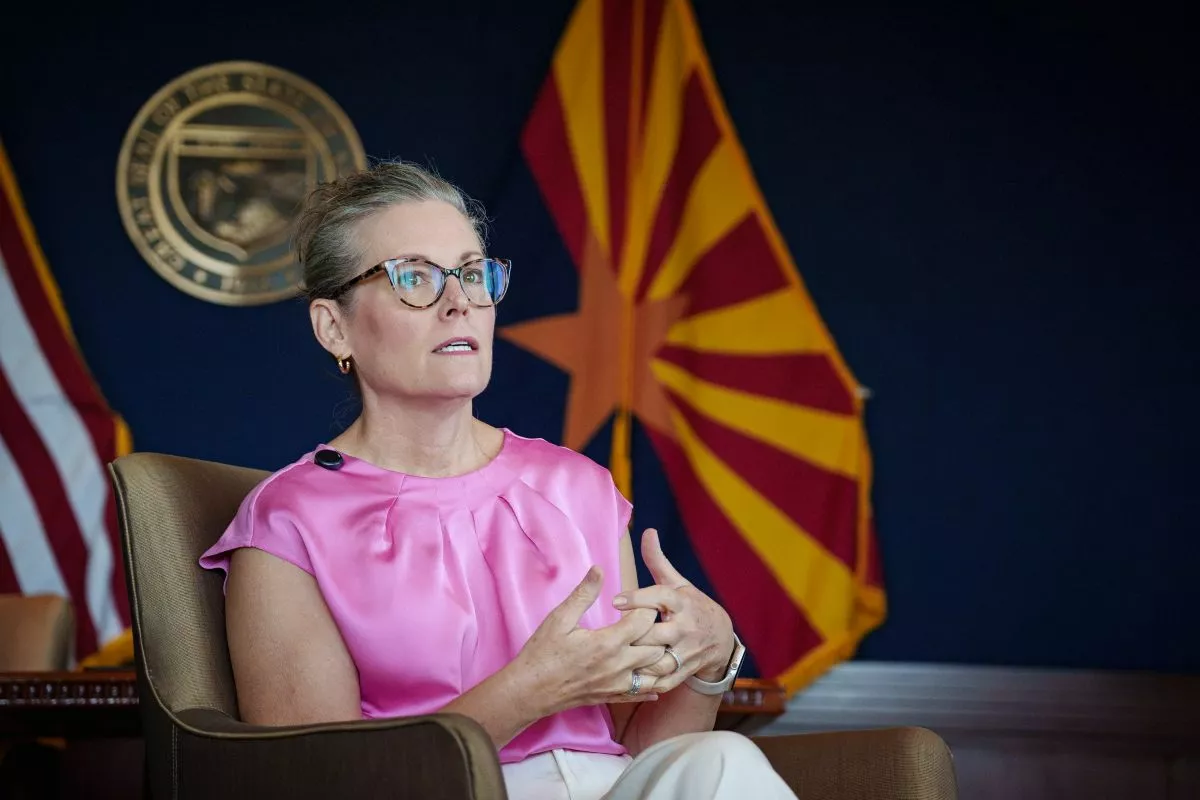
The move affects roughly 13,000 county employees and follows a similar executive order recently signed by Arizona Governor Katie Hobbs covering state employees. Looking beyond the policy itself, it feels like another example of prediction markets becoming important enough that public institutions are starting to create their own rules for them rather than waiting for someone else to act.
Local Governments Are Starting to Respond
Much of the discussion around prediction markets has focused on federal agencies, state attorneys general, and court battles involving companies like Kalshi and Polymarket. Maricopa County's decision takes a different approach. Rather than trying to determine whether prediction markets should exist, officials focused on how public employees should interact with them.
Supervisor Thomas Galvin said the goal is to avoid any perception that election workers, volunteers, or staff could benefit financially from information they receive in the course of their jobs. That same policy now extends to employees in the Maricopa County Recorder's Office, which oversees elections throughout the county. For anyone following the industry, that's another sign prediction markets are becoming part of everyday government compliance discussions.
The Conversation Keeps Moving Beyond the Platforms
One thing that stands out is how quickly the discussion has evolved. Earlier this year, Arizona Attorney General Kris Mayes filed criminal charges against Kalshi, arguing the company was operating an illegal election-related prediction market. A federal judge later paused that case while larger jurisdiction questions continue working their way through the courts.
Now the focus has shifted again. Instead of only debating platform legality, government agencies are introducing policies governing employee participation. That's very similar to what we've recently seen from Wall Street banks, federal agencies, and other employers creating internal rules for workers who may have access to sensitive information.
Prediction Markets Are Becoming Part of Ethics Policies
Election markets remain one of the most closely watched areas of the industry. According to reports, Kalshi had nine Arizona primary markets with more than $580,000 in combined trading volume heading into election week. Those numbers help explain why local officials want clear guidance before votes are counted.
Public trust is the bigger issue here. Whether the information involves elections, court proceedings, or other government business, most ethics policies are designed to prevent employees from benefiting from information unavailable to everyone else. Prediction markets are now being added to that conversation alongside more traditional financial activities.
The Trade Handle Prediction Markets Take
The biggest takeaway isn't that another government body adopted an employee policy. It's that prediction markets are becoming common enough that countries, states, banks, and private employers are all beginning to write their own rules instead of treating the industry as something experimental.
That's probably what a maturing market looks like. As prediction markets continue expanding into politics, finance, sports, and other real-world events, organizations with access to sensitive information will likely keep updating their ethics policies. The legal questions surrounding prediction markets are still far from settled, but one trend is becoming increasingly apparent. More institutions are preparing for a future in which these markets are simply part of the landscape rather than a new concept to be ignored.