


Prediction markets have spent much of the past year proving they can handle massive trading volume, attract institutional interest, and become part of mainstream financial conversations. Now they're facing another important test, one that has nothing to do with technology or growth. It's about trust.
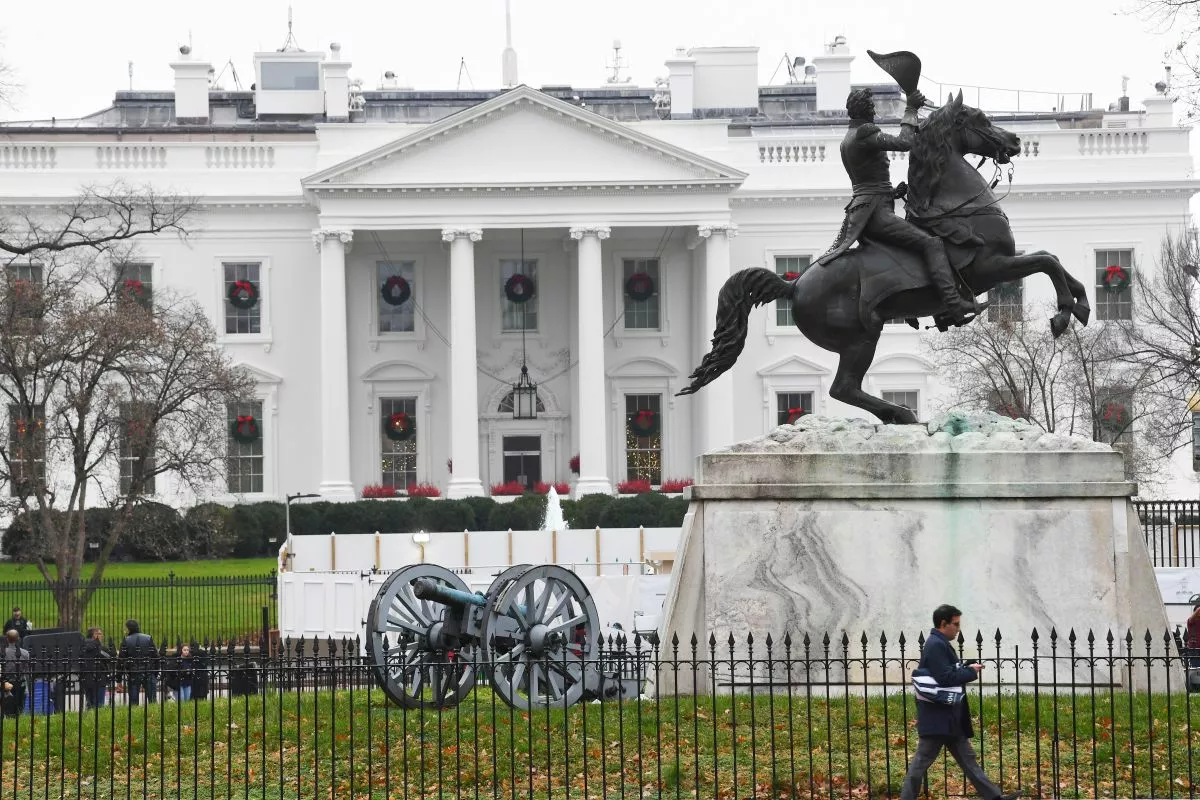
According to reporting from The Wall Street Journal, White House lawyers became concerned earlier this year after several anonymous Polymarket accounts placed large positions on a potential U.S.-Iran ceasefire well before the announcement became public. Those concerns reportedly triggered internal discussions about whether government officials could be using nonpublic information to profit through prediction markets. Whether that happened remains unproven, but the story highlights just how much attention these markets are now receiving.
Worth a Read: President Trump's Teleprompter Operator Won Over $100,000 Predicting Words in His Speeches
Prediction Markets Reward Information Faster Than Ever
One reason this story stands out is that prediction markets react almost instantly when traders believe they have better information than the rest of the market. In the Iran ceasefire market, prices shifted well before any official announcement, suggesting that at least some participants believed a deal was becoming more likely. Blockchain analytics firm Bubblemaps later reported that three anonymous Polymarket accounts earned more than $600,000 after correctly forecasting the ceasefire announcement.
Earlier reports also linked the same group of accounts to profitable trades surrounding military developments involving Iran. None of that proves insider trading occurred. It does show why regulators, government agencies, and prediction market operators are paying much closer attention to unusual trading activity than they were even a year ago.
Transparency is Becoming the Industry's Biggest Challenge
One of the more interesting details in the report was the difficulty White House lawyers reportedly faced in determining whether any administration employees were connected to the trades. Because Polymarket accounts can be created anonymously, identifying who sits behind a wallet isn't always straightforward. That's becoming one of the biggest questions facing prediction markets as they continue growing.
Markets work best when participants believe prices reflect independent opinions rather than privileged information. If confidence in that process weakens, it doesn't matter how much volume a platform generates. Kalshi has publicly stated that it monitors markets around the clock for suspicious activity and has blocked campaign staff from participating in markets involving their own candidates. Polymarket has also said it actively monitors trading patterns and has referred suspicious activity to law enforcement when appropriate.
Political Markets are Getting Bigger
Another reason this issue matters is that political prediction markets continue attracting enormous participation. According to recent reporting, political trading volume on Polymarket doubled during the first quarter of 2026 compared to the same period a year earlier, with hundreds of millions of dollars tied specifically to election-related markets.
As those markets grow, so does the value of information. A policy announcement, military action, or campaign decision can move market prices almost immediately. That's exactly why government agencies, lawmakers, and platform operators are spending more time discussing safeguards around insider trading and market integrity. It's a challenge that increasingly resembles the issues traditional financial markets have dealt with for decades.
The Trade Handle Prediction Markets Take
Prediction markets have reached a point where success won't be measured only by trading volume or user growth. Their long-term reputation will depend just as much on whether participants believe markets are fair. Stories like this don't necessarily suggest something improper occurred. They do reinforce how valuable accurate information has become inside these markets.
As prediction platforms continue moving into the financial mainstream, stronger surveillance, better compliance tools, and faster investigations will probably become just as important as launching new markets. That's a natural step for any market hoping to earn long-term confidence from both regulators and everyday users.