


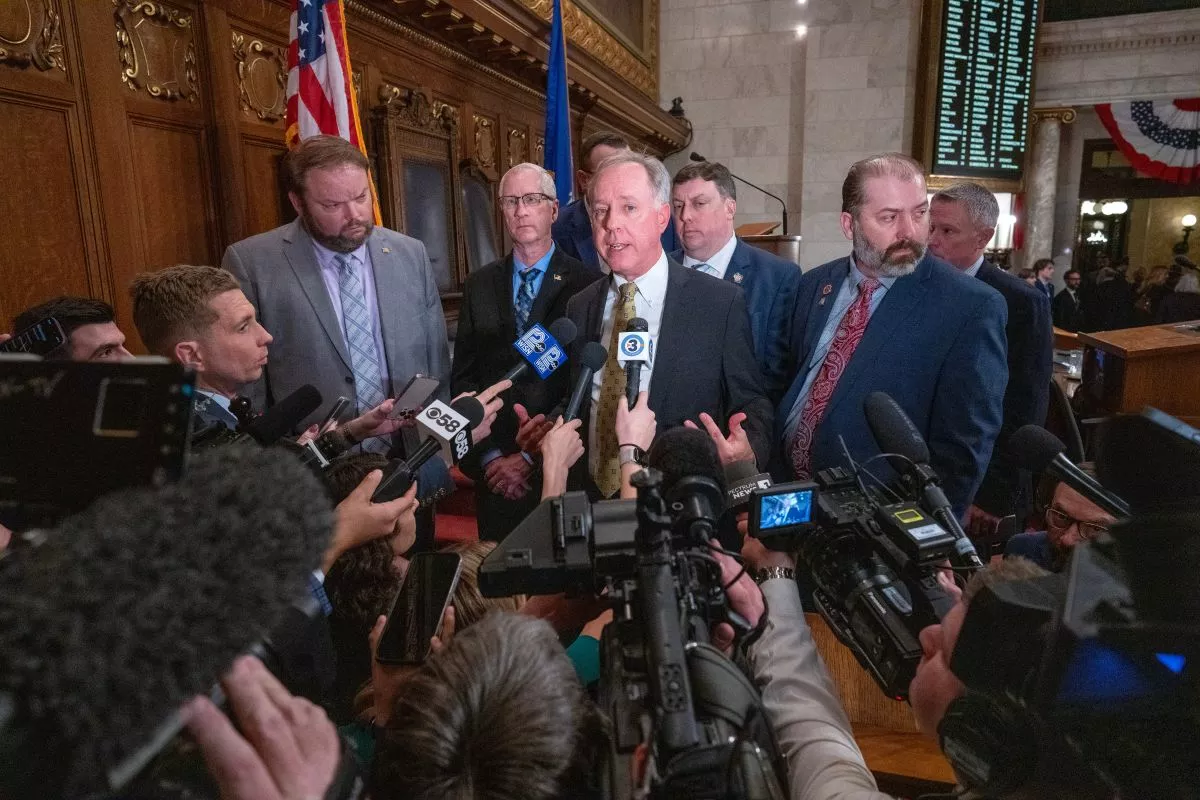
Wisconsin election officials are sending a message that could have major implications for anyone participating in election prediction markets. The Wisconsin Elections Commission (WEC) warned this week that residents who trade contracts on an election and then vote in that same contest could be violating state law and risk losing their right to vote in that election.
The guidance adds another layer to the growing legal debate surrounding prediction markets in the United States. While most recent headlines have focused on whether states can regulate federally approved platforms like Kalshi, Wisconsin is taking a different approach by focusing on the responsibilities of individual voters instead of the platforms themselves.
Wisconsin Points to Longstanding State Law
According to the WEC, Wisconsin law prohibits anyone with a direct or indirect interest in a wager tied to an election from voting in that same race. Election officials said intentionally casting a ballot while legally disqualified is considered a Class I felony under state law. Administrator Meagan Wolfe said the commission wants voters to understand the potential consequences before participating in election prediction markets.
The agency acknowledged it cannot monitor who uses these platforms. Still, it warned that voters who participate in election contracts could face administrative challenges to their eligibility if they later cast a ballot in the same election. The bipartisan commission unanimously approved a memo earlier this month outlining its interpretation of the law and the possible consequences for Wisconsin voters.
Kalshi Pushes Back Immediately
Kalshi wasted little time responding to the commission's guidance. Robert DeNault, the company's Head of Enforcement and Legal Counsel, argued that election markets approved by the Commodity Futures Trading Commission are legal and said the Wisconsin Elections Commission should withdraw its guidance before courts intervene. Benjamin Freeman, who leads politics growth at Kalshi, also criticized the announcement, calling it unconstitutional and describing it as voter suppression.
The disagreement highlights another legal gray area surrounding prediction markets. Wisconsin officials are pointing to state election law, while Kalshi continues to argue that federally regulated prediction markets fall under the authority of the CFTC rather than individual states.
Election Markets Continue Drawing Attention
This warning comes as election prediction markets continue attracting significant activity ahead of the 2026 midterm elections. Reports indicate nearly $200 million has already been traded on midterm-related contracts. Political prediction markets also generated enormous interest during the 2024 presidential election, when billions of dollars flowed through contracts tied to the race between Donald Trump and Kamala Harris.
Wisconsin has also taken other steps aimed at protecting election integrity. Gov. Tony Evers recently signed an executive order prohibiting executive branch employees from using nonpublic government information to profit from prediction markets or share that information with others.
The Trade Handle Prediction Markets Take
This feels different from many of the legal fights we've covered because Wisconsin isn't trying to shut down a prediction market operator. Instead, it's telling voters that participating in certain election markets could affect their ability to vote. That distinction could become important if other states begin looking at their own election laws through a similar lens.
The bigger legal battle over federal versus state authority is still playing out, but Wisconsin has introduced a completely different issue into the conversation. As election prediction markets continue growing ahead of the midterms, don't be surprised if more states begin examining how existing voting laws intersect with this rapidly expanding industry.