


A federal judge ruled against the state of Minnesota on Monday, siding with prediction markets in the ongoing debate over their right to operate nationwide
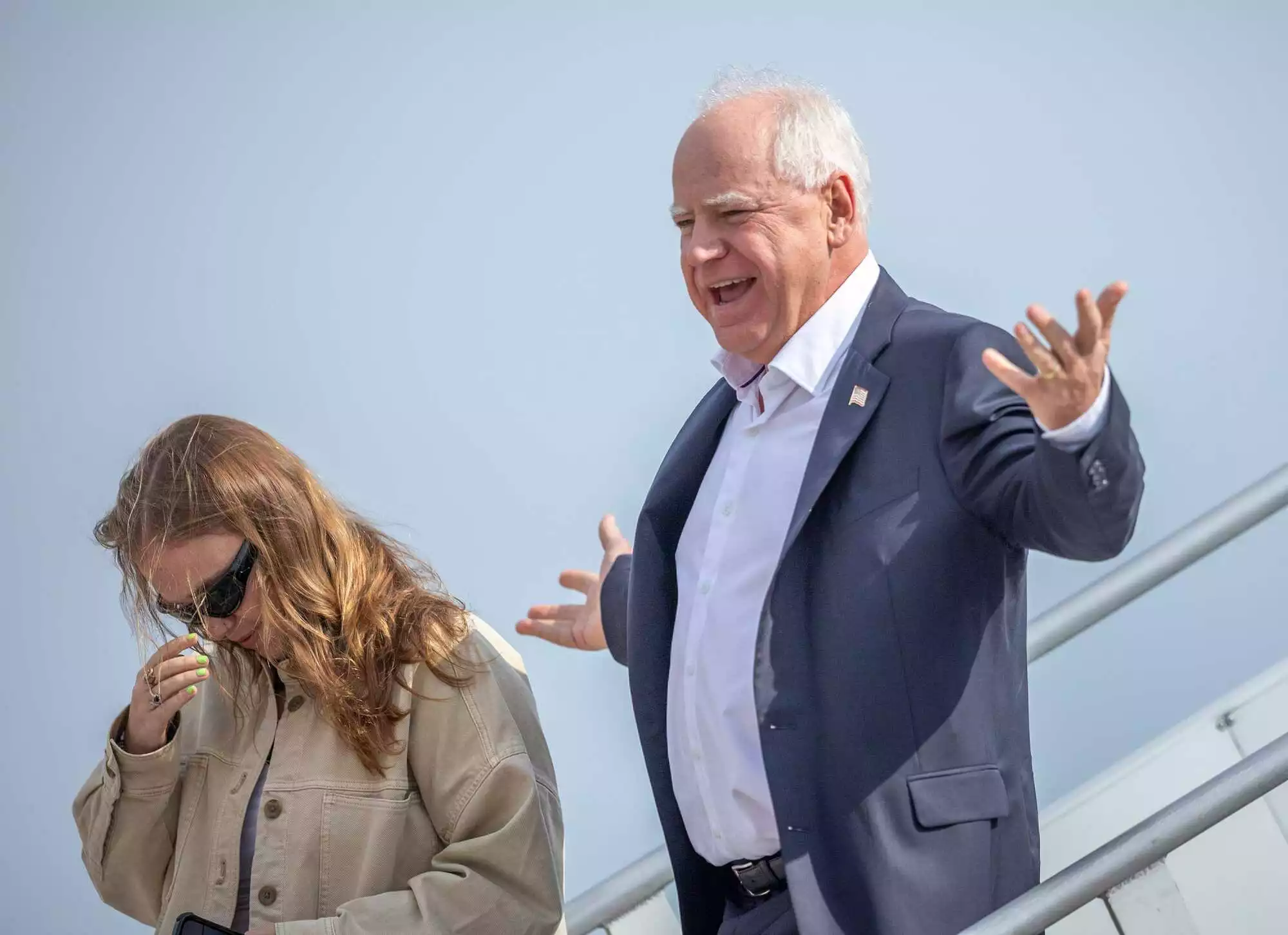
U.S. District Judge Katherine Menendez issued a preliminary injunction blocking Minnesota from enforcing a ban on prediction markets approved by Gov. Tim Walz (D). The bill was approved by the state Congress and signed into law in May and was set to go into effect on August 1.
Prediction markets, CFTC score a victory
Leading prediction market operators Kalshi and Polymarket, along with President Donald Trump’s administration, all registered challenges to Minnesota’s ban.
Minnesota was the first state to approve an outright prohibition on prediction markets. Numerous others had explored limiting sports event contracts and detested the loss of gaming tax revenue due to the lack of state-mandated licensing, although none had gone so far as to pass a direct ban.
Kalshi and Polymarket both hoped to get the law suspended, while the Trump-backed Commodity Futures Trading Commission (CFTC) — the federal body in charge of regulating prediction markets — filed a lawsuit against Minnesota.
Menendez opined that Kalshi, Polymarket, and the CFTC were “likely to succeed on the merits” of their case.
“Specifically, it appears that whether the Minnesota statute is expressly preempted turns on whether the state law attempts to regulate trades in event contracts that qualify as ‘swaps’ within the meaning of the CEA [Commodity Exchange Act],” wrote Menendez, an appointee of former President Joe Biden. “There are several examples of event contracts hosted by Kalshi and Polymarket US that fit that definition because they concern the occurrence of events with clear potential economic, financial, or commercial consequences that are neither remote or unattenuated.”
Menendez also highlighted regulatory powers described by federal law for “designated contract markets (DCMs).” The CFTC maintains exclusive jurisdiction to regulate transactions involving those “swaps.”
Partial regulation could be coming
Minnesota Attorney General Keith Ellison said the state would “respectfully disagree” with the court’s decision.
“Proper ‘status quo’ to maintain is one that allows predatory gambling apps to proliferate,” he said.
Although the judge’s ruling marked a loss for the states, not all hope was lost. She wrote that Minnesota’s ban on prediction markets could be legal in cases where transactions aren’t defined as “swaps.”
“The Court pauses to note that the Minnesota statute may not, ultimately, be preempted in all respects, even as to Kalshi and Polymarket US. Aside from the preliminary nature of this Court’s assessment of the likelihood of success, Plaintiffs have not shown that every event contract listed on Kalshi and Polymarket US fits the statutory definition of a ‘swap,’” she wrote. “If they don’t fit, Plaintiffs have much weaker claims that the CFTC is the only authority that can regulate them.”
“Swaps” are defined as binary derivatives with fluctuating values based on real-world events, commodities, or variables. For example, customers can buy contracts tied to “Yes” and “No” outcomes for Gov. Ron DeSantis to win the 2028 U.S. Presidential Election. Prices for both “Yes” and “No” positions will change as the election gets closer and more data is gathered on the candidate’s chances of winning the White House.
Prediction markets also offer futures contracts, which do not fall under the same legal definition of a swap in the CEA. An example of these would be perpetual futures (perps) on crypto, which settle based on the price of assets, not binary event outcomes.
The Trade Handle Prediction Markets Take
The judge leaving the door open to limiting perps and other options at prediction markets is technically a sign of progress for states, although DCMs will remain under the exclusive oversight of the CFTC. That decision greenlights the CFTC to continue emboldening its licensed operators to expand their offering across the nation as prediction market activity continues to surge, crossing $50 billion during the World Cup in June.