


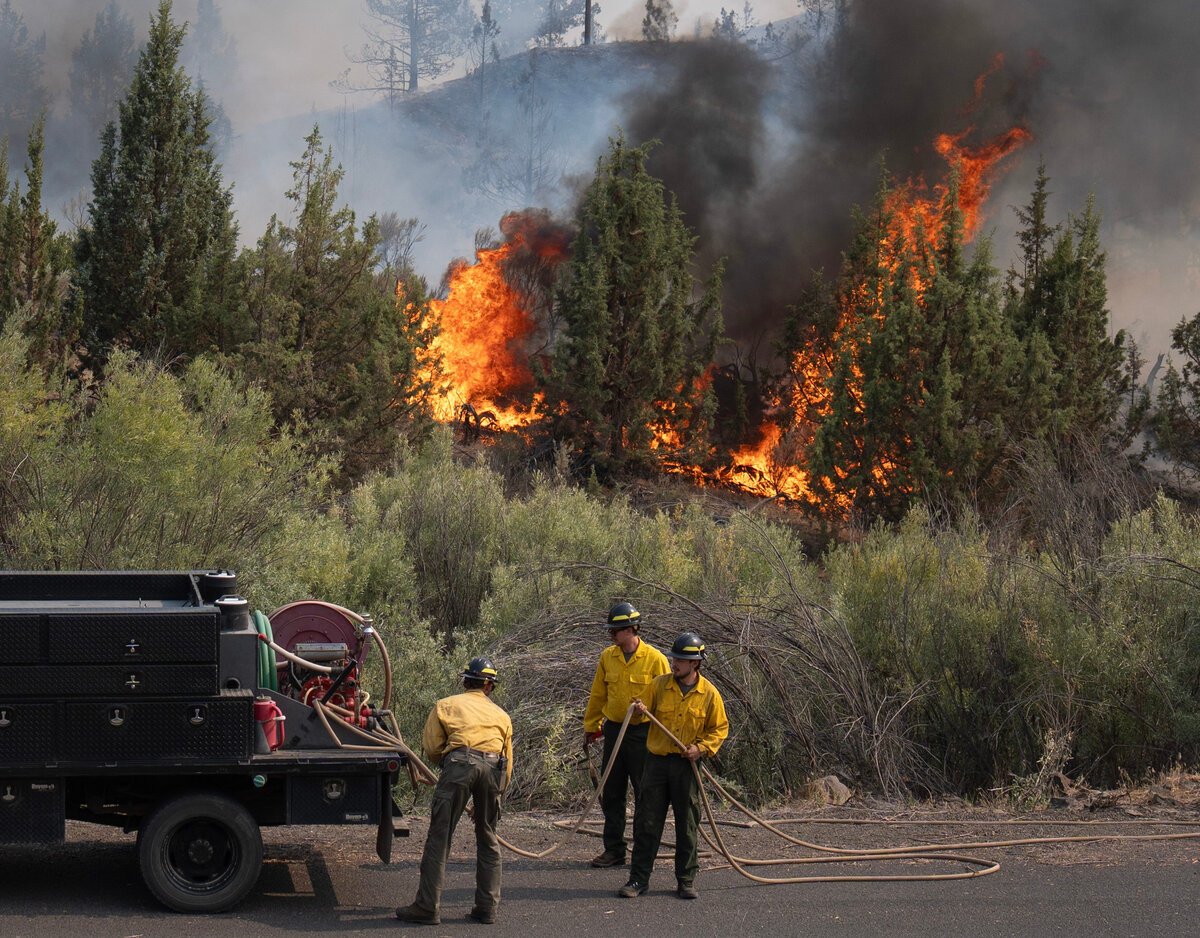
Wildfire prediction markets are facing fresh political attention after a group of Democratic senators asked the Commodity Futures Trading Commission (CFTC) to examine whether certain wildfire-related event contracts should be allowed. The lawmakers argue that markets tied directly to wildfires could create unintended incentives, especially during another severe fire season across the western United States.
Their letter comes as the prediction market industry continues expanding into new categories. While some platforms have experimented with wildfire-related markets, federally regulated operators have largely taken a different approach.
Lawmakers Raise Concerns About Incentives
The letter, led by Senator Jeff Merkley and signed by eight other Democratic senators, asks CFTC Chairman Michael Selig whether the agency plans to restrict wildfire-related prediction markets offered on both domestic and offshore platforms. Lawmakers specifically pointed to offshore markets surrounding California's Palisades and Eaton fires, which reportedly generated more than $1.2 million in trading activity during early 2025.
Their concern centers on the possibility that markets tied to human-caused disasters could create incentives for bad actors, including potential arson. The senators argue that as wildfire seasons become longer and more destructive, regulators should carefully examine whether these contracts serve the public interest.
Some of the key concerns outlined include:
- Potential incentives for intentional wildfire activity.
- Offshore platforms offering wildfire-related contracts.
- Whether the CFTC should restrict certain event contracts.
- The broader public interest during severe wildfire seasons.
The CFTC has not publicly responded to the lawmakers' letter.
Not Every Prediction Market Offers Wildfire Contracts
One important detail is often missing from the broader discussion. Not every prediction market platform actually lists wildfire-specific markets.
Kalshi said it does not offer wildfire contracts because they could create what the company described as "perverse incentives." At the same time, the platform noted that it continues offering contracts tied to natural disasters such as hurricanes and earthquakes.
That distinction has become part of the larger debate. Some fire experts argue that hurricanes and earthquakes occur naturally, while many California wildfires are started by human activity, whether accidental or intentional. Polymarket also responded to criticism by arguing that removing these markets would not prevent tragedies. The company said prediction markets provide timely, market-based information that people use to understand developing events rather than cause them.
The Broader Debate Continues
The senators' concerns arrive while the CFTC is already reviewing public comments on its proposed event contract framework. One of the agency's responsibilities is determining whether certain categories of contracts may be contrary to the public interest. Meanwhile, another platform, Wyldfyre, has launched wildfire-themed prediction markets using play money rather than real money.
The company states on its website that it is not subject to financial services or gambling regulations because users cannot deposit or withdraw funds. California officials also weighed in on the broader issue. The California Department of Forestry and Fire Protection said employees are prohibited from using sensitive government information for personal financial gain, including participating in prediction markets or helping others profit from non-public information.
The Trade Handle Prediction Markets Take
Wildfire prediction markets highlight one of the more difficult questions facing the industry. Not every event contract carries the same level of ethical concern, and regulators are increasingly being asked to decide where to draw the line.
The fact that some federally regulated platforms have already chosen not to list wildfire-specific contracts suggests the industry recognizes these concerns. As the CFTC continues to evaluate its broader event contract rules, wildfire markets could become another example of how regulators balance innovation with the protection of the public interest.