


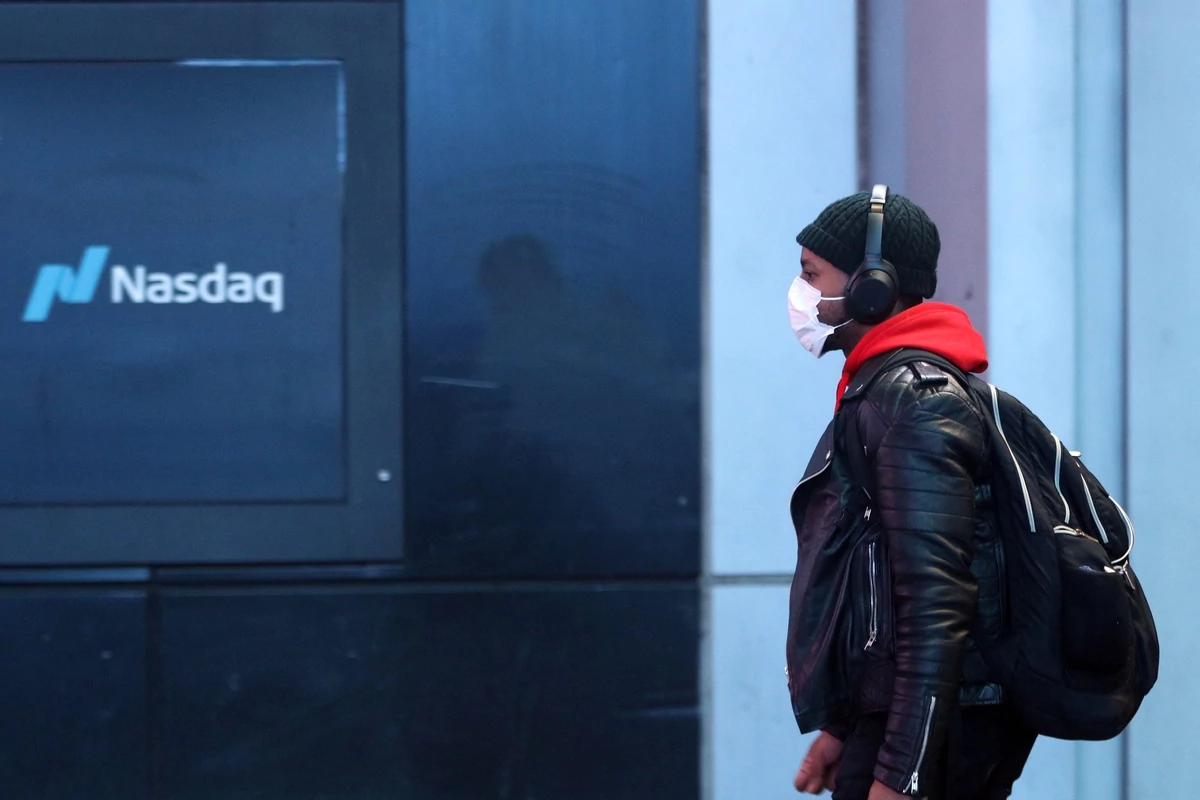
Kalshi is borrowing some serious infrastructure from traditional finance as prediction markets continue getting bigger and more complicated. The company announced a multi-year partnership with Nasdaq that will bring Nasdaq's market surveillance technology onto Kalshi's exchange.
The move comes at an important time. Prediction markets are attracting more users, more institutional interest, and significantly more trading activity, but that growth also creates a bigger challenge around detecting suspicious behavior. Kalshi is essentially responding by adding technology already trusted by some of the world's largest financial exchanges and regulators.
Nasdaq's Technology Comes to Prediction Markets
Kalshi plans to gradually roll out Nasdaq's surveillance platform, combining it with the monitoring systems it already has in place. The technology will cover prediction market contracts as well as perpetual-style derivatives offered through the platform.
Once fully integrated, the system is designed to monitor activity around the clock and flag patterns that could indicate potential misconduct. That includes helping Kalshi detect:
- Possible market manipulation
- Suspicious trading patterns
- Potential use of insider information
- Other forms of market abuse
- Activity that may require regulatory review
The system will also help Kalshi provide trading information to the Commodity Futures Trading Commission in the formats required by the federal regulator.
Why This Matters for Kalshi
Prediction markets have always faced a unique information problem. If you're trading a contract tied to inflation, elections, weather, corporate events, or government decisions, there's always a possibility that somebody participating knows something the broader market doesn't. Having better information isn't automatically a problem, of course. That's part of what makes markets useful.
The line becomes much more important when confidential or non-public information comes into play. Kalshi has already dealt with several high-profile situations involving suspicious activity. The CFTC recently fined former Congressman George Santos $35,000 over alleged manipulative trading on the platform, while a White House teleprompter operator has reportedly been investigated for potential insider activity. Kalshi said it referred suspicious trading in both cases to regulators.
Surveillance is Becoming Infrastructure
The Nasdaq name stands out, but the scale of its surveillance business may matter even more. Nasdaq's technology is already used by more than 50 exchanges and 20 international regulators across multiple asset classes. Bringing that infrastructure into prediction markets gives Kalshi access to technology designed for financial environments handling enormous amounts of activity every day.
Kalshi has also been expanding its internal surveillance operation this year, including additional hiring. The Nasdaq partnership adds another layer rather than replacing what the exchange already does. That's worth watching because prediction markets are moving beyond their startup phase. As volumes increase and institutions become more involved, exchanges need systems capable of handling the same types of monitoring that are expected in more established financial markets.
The Trade Handle Prediction Markets Take
This partnership feels like an important step in prediction markets' maturation. It's easy to focus on new contracts, trading volume, sports partnerships, or flashy product launches. Market surveillance isn't nearly as exciting, but it may be more important for the industry's long-term credibility.
If prediction markets want to be treated like serious financial exchanges, they need serious financial-market infrastructure behind them. Using the same type of surveillance technology deployed across major global exchanges strengthens Kalshi's argument that event markets should be held to those standards.
We think that's good for the industry. More transparency, stronger monitoring, and faster detection of suspicious activity should make prediction markets healthier as they continue scaling. Nasdaq's entry into the picture also sends another signal that the infrastructure surrounding prediction markets is increasingly similar to the rest of modern finance.