

Prediction markets were tabbed as a new and improved way to forecast political elections. But just like pollsters, these platforms had a rough week.
A couple of political races in Michigan and Wisconsin showed the limits of market data found at prediction platforms — yet Kalshi’s CEO already poured cold water on the results, saying they were par for the course.
The wrong victor
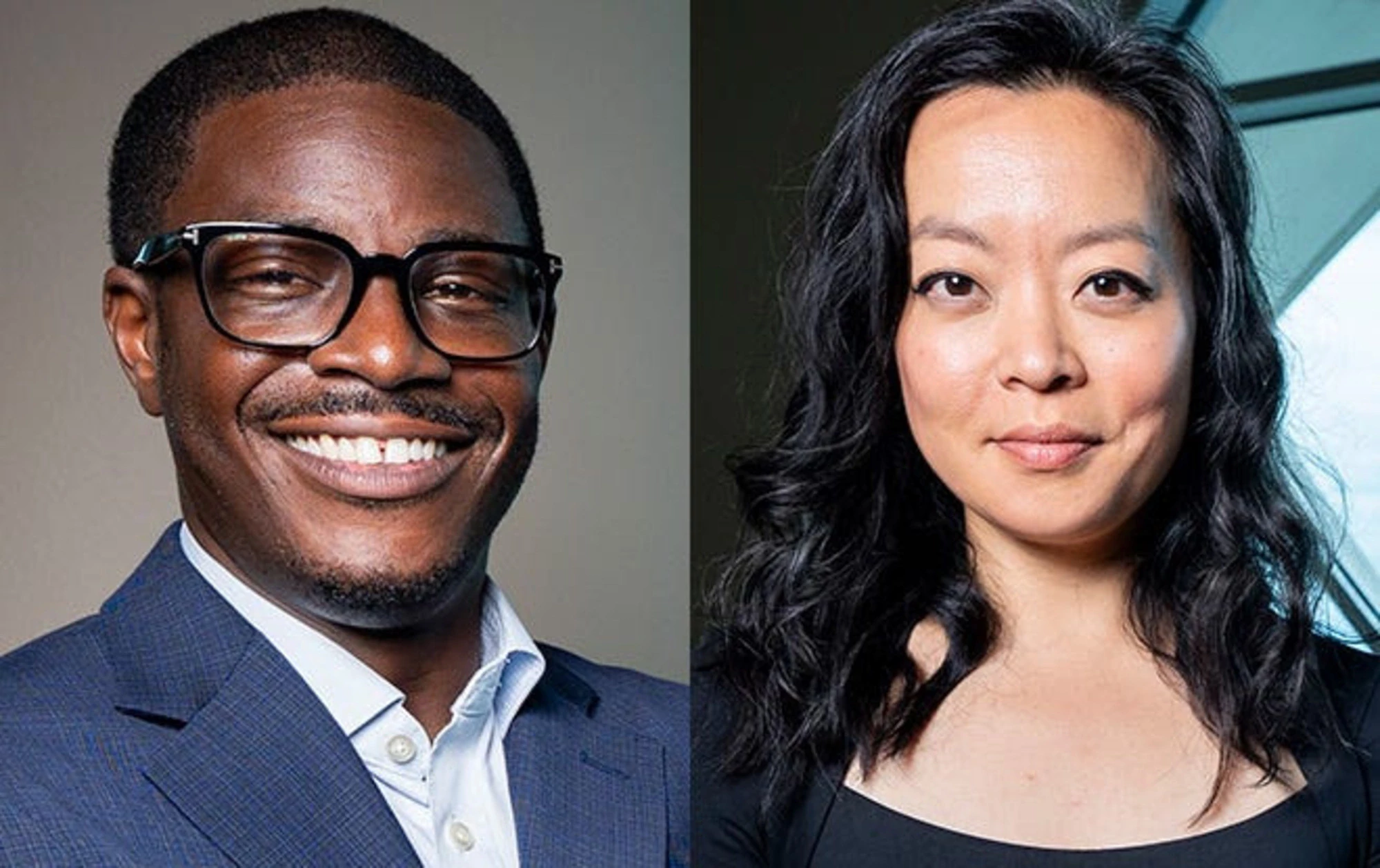
Wisconsin held its gubernatorial primary voting on Tuesday. State Rep. Francesca Hong was supposed to win with ease, boasting a 20 percentage point lead in polls, and claiming a 95.5% chance of victory at Kalshi the day the votes were counted.
Despite the overwhelming expectations, Milwaukee County Executive David Crowley was named the winner by half a percentage point, completely upsetting $16.4 million that was traded on the outcome at Kalshi.
Kalshi’s leading competitor, Polymarket, said in a now-deleted post on X (Twitter) before polls closed on Tuesday afternoon that Hong was a “near-lock” to win the race, highlighting her 96% chance of landing the nomination. A Polymarket spokesperson told CNBC that the post was deleted because of improper language used to describe the race.
Kalshi CEO Tarek Mansour also took to X to explain why Crowley’s unexpected victory was part of the status quo.
“Before the ‘prediction markets got it wrong’ headlines roll in: a 5% probability doesn’t mean it won’t happen,” he wrote. “It means it should happen 1 in 20 times. If 5% candidates never won, the markets would be broken.”
Prediction markets almost missed another
That wasn’t the only recent example of prediction markets being far off the mark.
In Michigan, Democratic Senate candidate Abdul El-Sayed won the primary by only one percentage point after he’d taken a towering lead to beat Rep. Haley Stevens. Kalshi had El-Sayed at a 90% chance of winning the seat and a 65% chance of winning by at least 15 percentage points, right up until the ballots closed.
El-Sayed, a former public health official, still won the race, but only by less than one percentage point from more than 1.5 million votes.
“This also was, frankly, a crazy race, and there likely was a lot of change in the closing days,” said Kyle Kondik, the managing editor of Sabato’s Crystal Ball at the University of Virginia’s Center for Politics. “It may have even been the case that progressive Abdul El-Sayed’s (D) victory in the Michigan Senate primary, and subsequent Democratic handwringing about his electability, contributed to a shift toward Crowley in Wisconsin.”
Prediction markets weren’t alone in their misrepresentation of the future outcomes of these races. Polling numbers were also off in the races mentioned above, along with several others, where prediction markets were sharper.
Despite that, Lakshya Jain, co-founder of the electoral data website SplitTicket and director of political data at the publication The Argument, said she was “frustrated” with how prediction markets portrayed one of the races.
“The biggest concern for me was that the movement that I was seeing,” Jain said. He was frustrated that odds for Hong were shooting higher or tumbling lower as results from across the state came in, all while he didn’t think individual vote drops were altering the outlook for her actual chances to win that much. “There was absolutely no reason for the markets to move toward her if they were actually being efficient.”
The Trade Handle Prediction Markets Take
Mansour’s explanation of basic math is valid, but it also doesn’t align with his claim that prediction markets are sharper than polls or any other means of forecasting. These recent results don’t change the simple fact that prediction operators have a strong track record of accuracy, but whenever they are wrong, they invite scrutiny because of the sheer volume of money traded daily.