


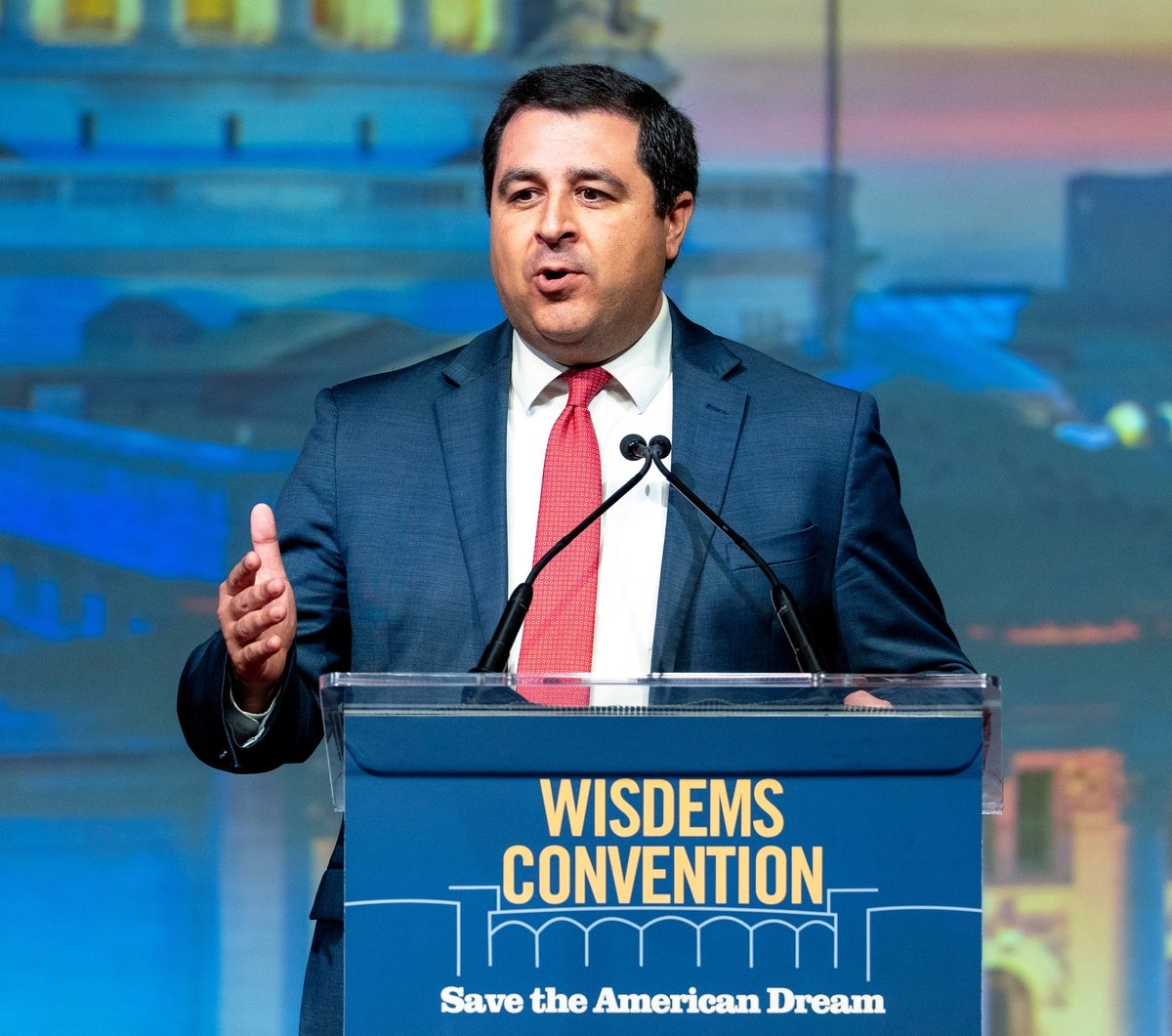
Novig is taking its fight over sports prediction markets directly to Wisconsin before state officials can act. The federally regulated prediction market filed a lawsuit against Wisconsin Attorney General Josh Kaul and gaming administrator John Dillett, arguing that the state cannot apply its gaming laws to sports event contracts offered through Novig's exchange.
The timing is especially interesting. Novig only began offering its event contracts to Wisconsin residents about a week before filing the lawsuit. Rather than waiting for Wisconsin to take action, the company is asking a federal court to settle the jurisdiction question first.
Novig is Playing Offense Instead of Waiting
Ludlow Exchange LLC, which operates Novig, filed its 45-page complaint August 14 in the U.S. District Court for the Western District of Wisconsin. Novig is seeking preliminary and permanent injunctions that would prevent state officials from enforcing Wisconsin law against its sports contracts.
Novig expects trouble for a reason. Wisconsin sued Kalshi, Polymarket, Crypto.com, Robinhood and Coinbase in April over sports-related event contracts, arguing that the products violate its commercial gaming laws. Those cases are already pending in the same federal district where Novig has now filed its own challenge.
Federal Regulation Sits at the Center of the Case
Novig's argument will sound familiar if you have followed the legal fights surrounding prediction markets this year. The company maintains that its sports contracts are swaps regulated under the Commodity Exchange Act, placing them under the Commodity Futures Trading Commission's exclusive jurisdiction.
That argument carries additional significance because the CFTC granted Ludlow Exchange designated contract market status on June 16. Wisconsin takes the opposite position, maintaining that sports contracts can still fall under state law regardless of an exchange's federal regulatory status. The court will now have another opportunity to wrestle with that increasingly important divide.
Wisconsin Has Already Won an Early Round
Novig is not entering completely untouched legal territory. The CFTC previously sued Wisconsin officials and sought a preliminary injunction preventing the state from enforcing its laws against federally regulated prediction markets. A federal judge denied that request in July after finding the agency had not demonstrated that it was likely to succeed on its preemption argument.
That ruling was not a final decision on the underlying issue, but it gives Novig an interesting hurdle from the start. The company is asking a court in the same district to grant protection after the CFTC failed to secure similar preliminary relief. Whether Novig can distinguish its circumstances will be one of the biggest things to watch.
Five States in Less Than Two Weeks
Wisconsin is only the latest stop in Novig's aggressive legal push. Since August 4, the company has filed cases involving officials in five states:
- Wisconsin
- New York
- New Mexico
- Massachusetts
- Washington
The strategy is unfolding alongside Novig's commercial expansion. The company recently announced a multiyear partnership with the New York Mets, making it the team's exclusive official prediction market partner. Novig also focuses exclusively on sports contracts rather than offering the wider mix of politics, international affairs, and other event categories found on some competing platforms.
The Trade Handle Prediction Markets Take
We have watched the prediction market regulatory fight increasingly shift from individual companies defending themselves to operators actively challenging states before enforcement arrives. Novig's Wisconsin lawsuit might be one of the clearest examples yet. The company entered the state and almost immediately asked a federal court to establish where Wisconsin's authority ends.
The bigger issue goes well beyond Novig. Prediction markets cannot easily build nationwide sports products if every state can independently decide which contracts residents can access. Federal courts are gradually being asked to draw that line, but so far they have not produced one nationwide answer.
For Novig, five lawsuits in less than two weeks show just how central that question has become to its expansion strategy. For the wider prediction market industry, the eventual answers could help determine whether federal registration truly provides a national pathway or whether state-by-state battles simply become part of doing business.