


Prediction markets have spent much of the past year fighting over who gets to regulate them. That legal battle gets most of the attention, but a practical problem sits right behind it: geofencing. If states eventually gain the ability to restrict certain event contracts within their borders, platforms may have to determine not only what users can trade, but where they can trade it.
That sounds manageable until you consider what makes prediction markets useful in the first place. These markets are supposed to bring large groups of traders together around one question, not divide them according to ZIP code. The prediction market industry's regulatory fight could eventually become a technology and liquidity problem.
One National Market Could Become 50 Different Ones
CFTC-regulated prediction market exchanges have largely built their businesses around federal oversight. States, however, continue to argue that sports event contracts cross into territory they have traditionally regulated themselves. The lawsuits involving Kalshi could ultimately determine how much authority states have. A clear victory for federal preemption would make geofencing much less important.
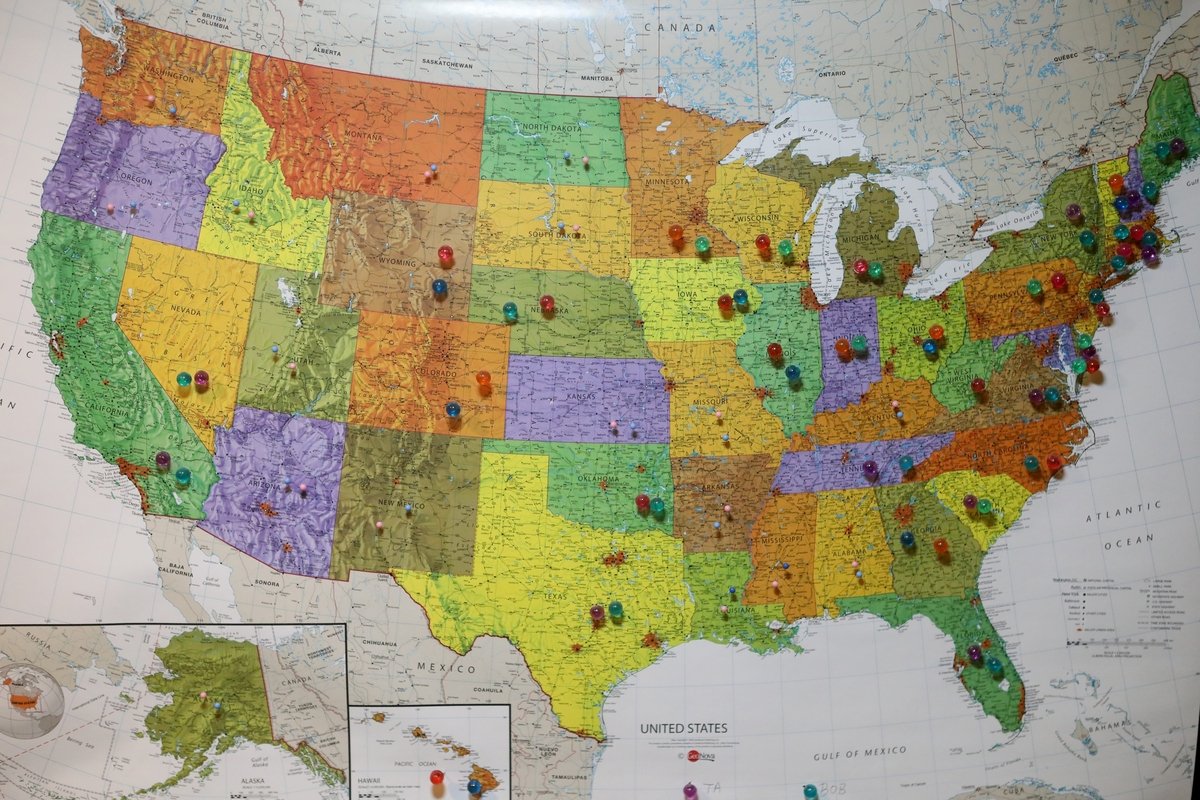
A mixed result, or one that gives states greater authority, could create something much messier. Imagine sports contracts remaining available in North Carolina but disappearing when you cross into South Carolina. Another state could restrict only certain contract types, while another might impose completely different requirements. Suddenly, a supposedly national exchange starts looking like a patchwork.
Geofencing is More Than a Compliance Tool
Sportsbooks have dealt with geofencing for years, so the technology itself is nothing new. Prediction markets have a different problem because participation directly contributes to the information their prices are supposed to represent. Restrict enough people geographically, and you potentially change the market itself. A contract trading at 65 cents represents what participating traders collectively think about an outcome.
If residents of several major states cannot participate, does that 65-cent price still represent the broader market's view in quite the same way? That question becomes even more interesting with political contracts. Removing traders from particular states could theoretically change the makeup of the crowd producing the price.
Liquidity Could Be the Bigger Problem
We think this is where geofencing becomes much more than an annoying regulatory hurdle. Prediction markets need liquidity. More active markets generally make it easier for traders to enter and exit positions while creating a deeper pool of information around an event. Geographic restrictions could work against that model in several ways:
- Fewer eligible traders participating in certain contracts
- Different products available depending on location
- Liquidity concentrating on platforms with broader access
- Confusing experiences for users traveling between jurisdictions
The industry could theoretically end up with several versions of the same market serving different groups of people. At some point, fragmentation starts undermining one of prediction markets' biggest selling points: bringing information together.
Polymarket Shows How Complicated Borders Can Get
We are already seeing a version of this problem internationally. Polymarket's return to the regulated U.S. market creates a distinction between what American users can access and what is available through its international platform. Now add state-level restrictions to that equation.
A prediction market company could eventually need to account for federal regulations, individual state rules, and international restrictions simultaneously. VPN usage and location verification only make enforcement more complicated. The challenge is no longer simply determining whether someone has an eligible account. Platforms need to know where that person is when they attempt to trade.
The Trade Handle Prediction Markets Take
Geofencing probably will not become the prediction market industry's biggest problem if exchanges win the broader federal preemption battle. If states gain meaningful authority over which contracts can be offered within their borders, though, it could become a major one very quickly. The irony is difficult to miss. Prediction markets work by bringing as many informed participants as possible into one marketplace and letting their collective activity produce a price.
The industry is building increasingly national and global markets at the exact moment regulators are debating whether geographic borders should determine who gets access. The next major prediction market technology challenge may have nothing to do with creating better contracts. It may simply be figuring out who can trade them, and from where.