


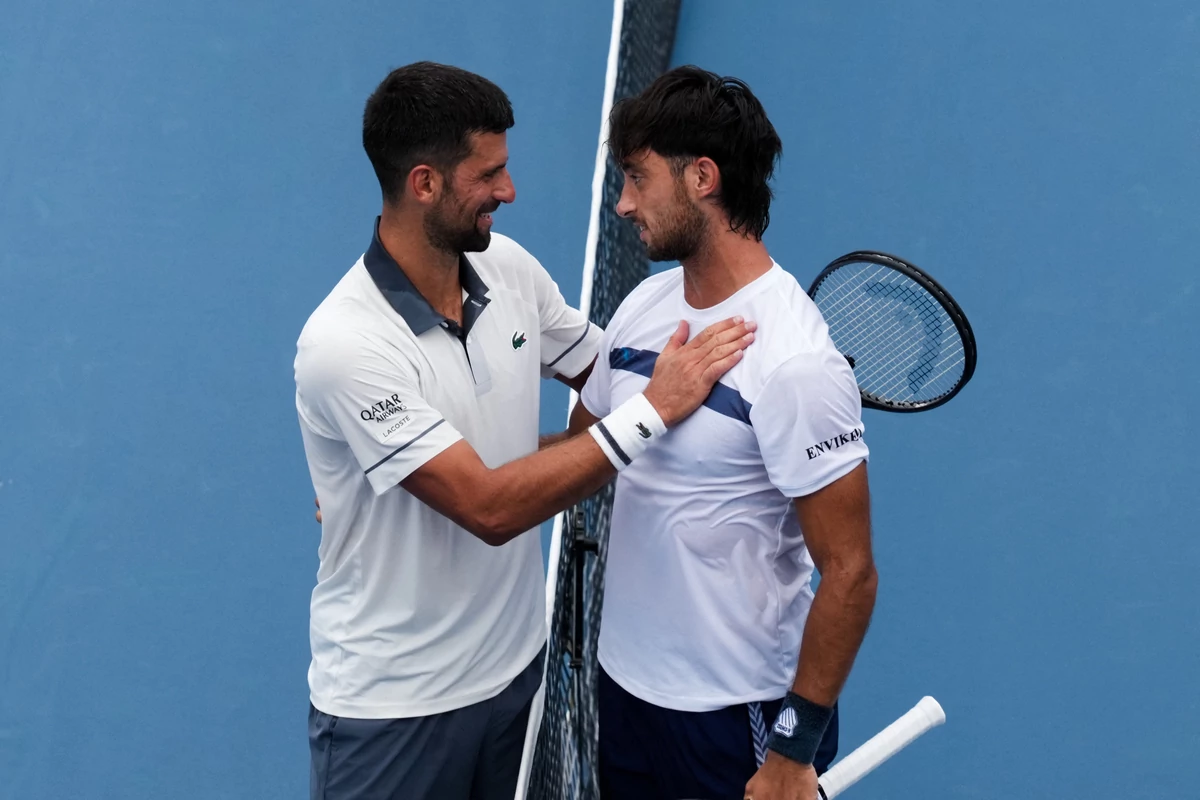
Kalshi is adding another major sports property to its growing collection of partnerships, this time on one of tennis's biggest stages. The prediction market platform has reportedly reached an exclusive agreement with the U.S. Tennis Association to become the US Open's prediction market partner, effective immediately. The deal arrives just as the tournament's main draw gets underway in New York.
The timing makes this particularly interesting. The USTA reportedly wasn't planning to bring a prediction market partner aboard until 2027 or later, but new CEO Craig Tiley helped accelerate those plans. Now Kalshi gets a major presence at a Grand Slam tournament while its sports business continues expanding rapidly.
Kalshi Gets More Than a Logo at the US Open
The agreement was finalized after last week's qualifying rounds, according to Front Office Sports, with financial terms remaining undisclosed. One of the most notable pieces is exclusivity, which reportedly prevents competing prediction market platforms from advertising at the tournament venue or across television coverage, including ESPN broadcasts.
That could give Kalshi a valuable advantage during the two-week tournament. The company already offers numerous US Open markets, including individual matches and tournament winners. Some have attracted significant activity, with roughly $1.5 million traded on the women's singles winner market by Sunday afternoon.
The deal gives Kalshi several potential benefits:
- Exposure throughout a major international sporting event
- Exclusivity against competing prediction market advertisers
- Another recognizable sports organization attached to its brand
- A chance to introduce tennis fans to event contracts
Sports Partnerships Are Becoming a Prediction Market Race
Kalshi isn't alone in chasing sports relationships. Prediction market companies increasingly view teams, leagues, and major events as valuable ways to reach consumers who might not otherwise visit their platforms.
Both Kalshi and Polymarket have NHL partnerships, while Polymarket has relationships with MLB and the New York Yankees. Kalshi recently announced partnerships with five MLB clubs, including the Dodgers, Red Sox, Braves, Padres, and Giants. Novig has also entered the race through its relationship with the New York Mets.
The NFL and NBA remain notable holdouts among major American leagues. That makes properties willing to embrace prediction markets even more valuable as platforms compete for sports fans and mainstream recognition.
The Partnership Comes During a Complicated Legal Fight
An unusual contrast is unfolding around Kalshi right now. While its commercial sports presence keeps growing, its legal position around sports event contracts remains unsettled.
The Ninth Circuit recently dealt Kalshi a setback in its fight with Nevada regulators, while the company previously received a more favorable result involving New Jersey. New York has also resisted Kalshi's attempt to prevent state enforcement. Those differing outcomes reinforce how unsettled the state-versus-federal question remains.
None of that appears to be stopping major sports organizations from exploring partnerships. The US Open agreement is another example of prediction markets gaining commercial acceptance while courts continue debating exactly how sports event contracts should be treated.
The Trade Handle Prediction Markets Take
We think the exclusivity is what makes this deal stand out. Putting the Kalshi name around the US Open is valuable on its own, but keeping Polymarket and other prediction market competitors out of tournament advertising adds another layer. Sports properties are quickly becoming competitive territory for the industry.
The bigger picture is hard to miss. Kalshi is simultaneously fighting states over sports contracts while signing partnerships that make those same products increasingly mainstream. You could hardly find a better example of the strange position prediction markets occupy right now: their legal framework remains contested, yet their place in major American sports keeps getting harder to ignore.