


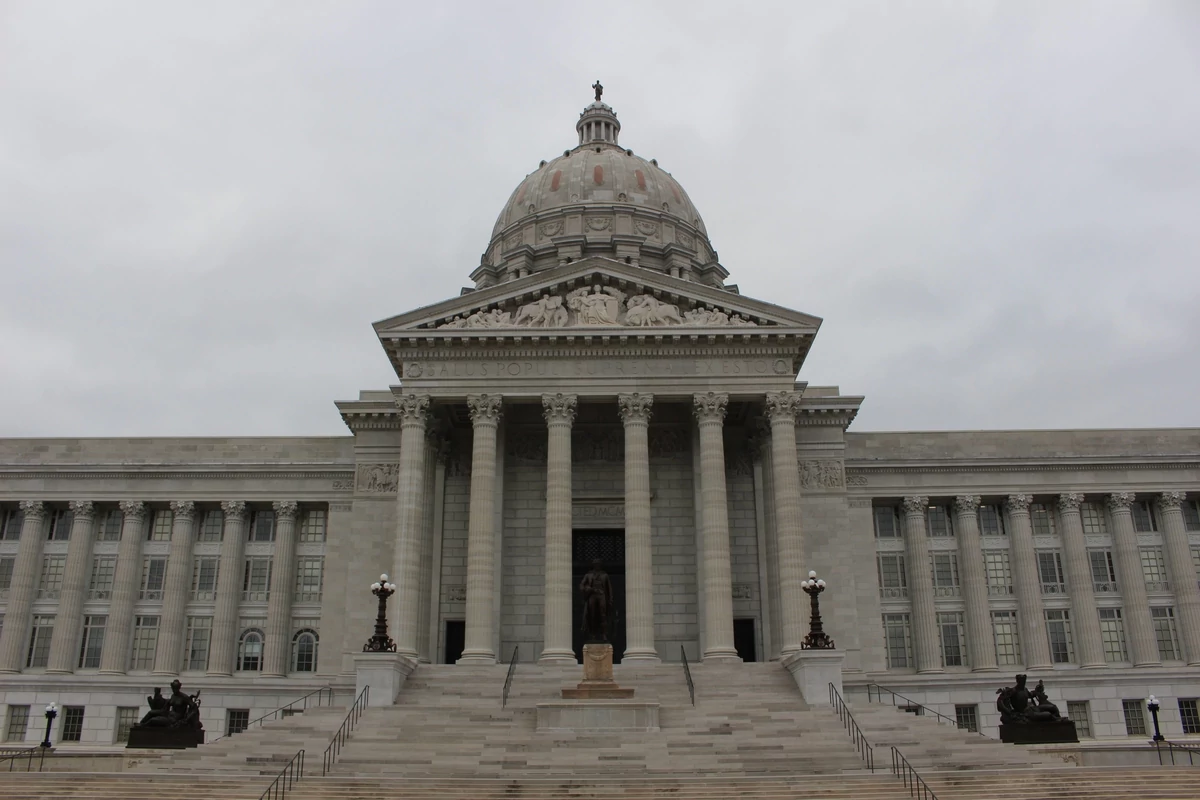
Missouri made headlines recently in their legal pushback against Kalshi and other prediction markets. As part of their campaign against prediction markets, a Missouri gambling addiction expert highlighted some red flags in the industry.
Taylor Brown of Midwest Recovery Centers expressed concern over the industry’s meteoric rise, specifically noting its ease of access, addiction level, and audience vulnerability. Brown’s remarks give way to a polarizing conversation that could threaten to impede the prediction market industry’s progress.
Missouri Claims Young Prediction Market Users Are at Risk
The claim that prediction market users are at risk of problem gambling isn’t completely unfounded.
Taylor Brown is an expert in the field of gambling addiction and notes the convenience of hand-held devices, online gambling apps, and the ability to quickly access and transfer funds.
Brown also noted how young people in particular are vulnerable to gambling platforms, with users accepting that “it's normal”. With easily accessible gambling apps promising a “flood of dopamine” and the chance at big wins, the risk of gambling addiction is noteworthy.
Are Prediction Markets More Addictive Than Sports Betting?
The disconnect is attacking prediction markets for potential problem gambling issues while Missouri benefits from their citizens gambling on legal sports betting websites.
Per the Missouri Gaming Commission, Missouri brought in almost $12 million in tax revenue from sports betting in its first eight months of legal sports betting.
Sportsbooks benefit just the same from convenience and impulse wagering, but the state isn’t apologizing for raking in massive amounts of money. The attention turns to prediction markets, who arguably offer a similar product, but aren’t currently obligated to pay the state’s 10% sports betting tax.
Prediction Market Regulation Could Solve Some Issues
This may not be a serious conversation if prediction markets just accepted defeat and designated themselves as a different type of sports betting. Doing so would wave off concern from the states, Kalshi and other sites would pay a tax, and everyone would prosper.
Prediction market platforms aren’t giving in, though. The legal fight is going strong across the United States, with some states forcing big players out, and others still trying desperately to deny an already federally approved business.
While prediction markets would prefer not to give into any regulation, it may be the long-term ticket to getting several states to stand down.
The Trade Handle Prediction Markets Take
Missouri’s big threat isn’t new, and their motivation is obvious. They’re not alone, but especially with states that already allow sports betting, the goal isn’t to protect its citizens; it's making sure they get a piece of the pie.
In this case, Missouri profits from gambling. They simply are saying rather loudly that they think prediction markets should be filed under the same definition so they can tax them, too.
Kalshi and others aren’t budging. Prediction markets aren’t inherently worse or more addictive than traditional sports betting apps. They just don’t fit into the same box that allows Missouri and other states to profit off of their product.
Long-term, prediction market regulation may be the only way to end the tense back-and-forth between states and major platforms. For now, however, most prediction market sites insist they’re very different from sportsbooks, even if not necessarily so when it comes to problem gambling risk.