


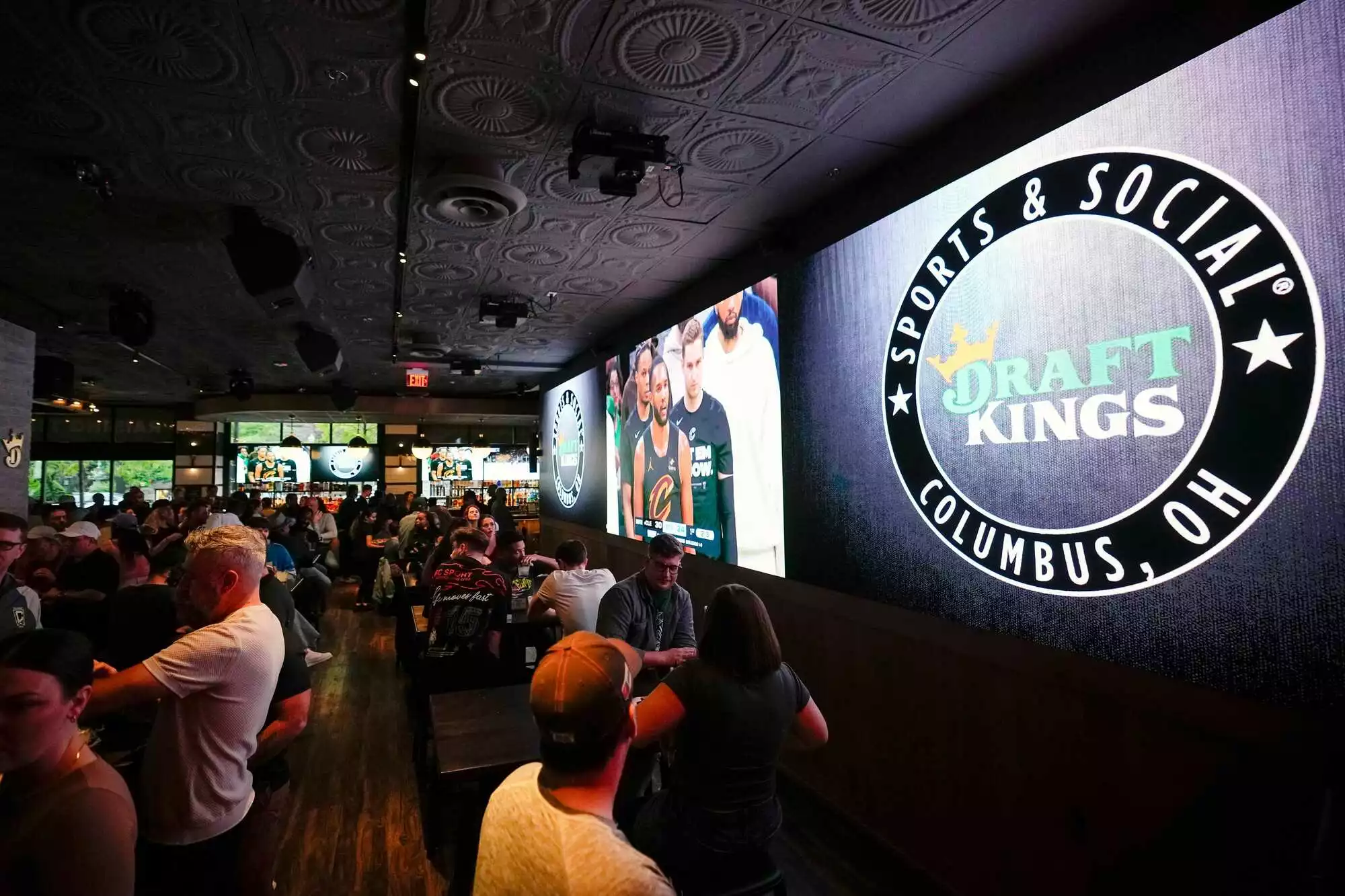
Just days after a native group broke ground as the first tribe to launch prediction markets, a separate Indian gaming leader said that DraftKings is going to suffer for joining the prediction industry.
Indian Gaming Association (IGA) Chair Victor Rocha told Gaming America that DraftKings was going to regret pursuing prediction markets as operators continue to lose in court nationwide. DraftKings launched prediction markets in Dec. 2025 and moved to using in-house exchange DKeX in June.
DraftKings prediction markets were a mistake?
In no uncertain terms did Rocha say that DraftKings made a mistake by trying to cash in on the bubbling popularity of prediction markets.
“DraftKings is f----d,” he said. “Once prediction markets lose sports betting, DraftKings has to come down like a piñata, and we’ll be waiting with baseball bats. A lot of companies will lose big after we neuter Kalshi.”
Rocha’s use of the term “sports betting” refers to sports event contracts, which allow customers to buy and sell predictions related to the outcome of events in sports. These can be game outcomes, player performances, announcer mentions, and much more.
Sports event contracts are seen by many as similar to wagering odds provided by sportsbooks. They have largely been the basis of legal arguments across the country.
Although federally regulated prediction platforms still have the full-throated endorsement of the Commodity Futures Trading Commission (CFTFC), many recent court decisions have supported state officials’ opposition to sports contracts. That includes last week’s ruling in a federal court in California, which supported two native groups in their case to prohibit Kalshi from offering sports markets.
The source of division
Sports betting operators — particularly, the national giants — have generated extraordinary revenue totals since the practice was federally legalized in 2018. The industry grew to a $17 billion market size in 2025 and has grown with every passing year.
Prediction markets are the first entity to threaten sports betting operators’ hold on the gaming industry. As a result, several leading operators invested in developing markets of their own. That list includes DraftKings, FanDuel, Underdog, and Fanatics, among others.
Although these companies still operate sportsbooks or fantasy contests, tribal gaming leaders are keeping a close eye on their prediction market activity.
“Everyone is aware of which online sports betting operators have moved into prediction markets and which ones haven’t,” said James Siva, Chair of the California Nations Indian Gaming Association. “We’re keeping track of that.”
Rocha noted that DraftKings has been particularly aggressive in jumping into prediction markets, while operators such as BetMGM did not cross the line between gambling and predicting.
“DraftKings is at its best when building innovative platforms that bring together technology, customer focus, and world-class execution to shape the future of sports engagement,” Jason Robins, CEO and co-founder of DraftKings, said in a press release following the launch of DKeX in July. “The momentum we've seen on DraftKings Predictions in recent months reflects the significant progress we've made in delivering a more seamless and connected experience for sports fans.”
Prediction markets are one pillar of DraftKings’ vision for a “super app” that combines online casino gaming, sports betting, prediction markets, and lotteries. Fantasy contests would remain in a separate app.
Groups and entities representing interest on both sides of the prediction market line have called upon the U.S. Supreme Court to settle the score regarding their legality and operational standards.
The Trade Handle Prediction Markets Take
The timing of these comments reflects division within tribal groups, which are inherently geographically fragmented. That’s because the Tunica-Biloxi tribe just announced that it would launch prediction markets through Kalshi, the industry’s leading operator. Tribes hold certain rights to gaming and the casino industry, and prediction markets could threaten their bottom line.