


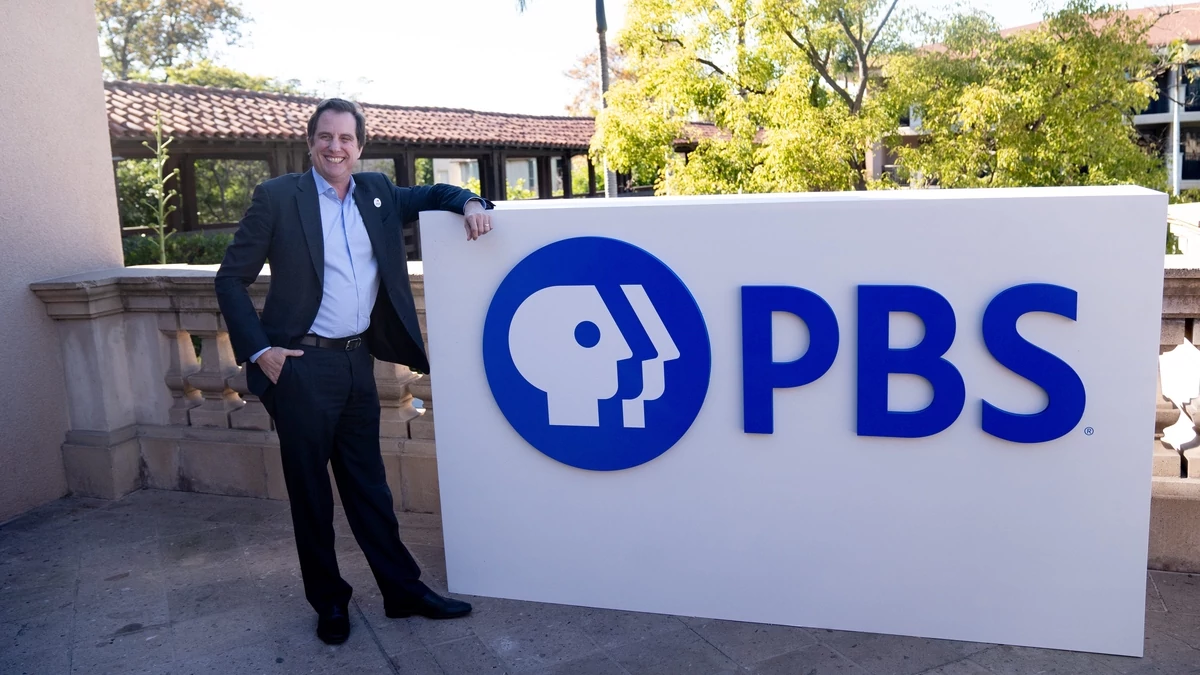
Prediction markets are under fire for legal and regulatory concerns, but it’s heat that Kalshi CEO Tarek Mansour welcomes. In a recent sit-down with PBS NewsHour, Mansour revealed that the company has always been open to regulation, and that their position is that the industry needs more “guardrails”.
The interview covered growing concerns within the industry, all of which Mansour willingly addressed and answered. Mansour’s open stance on prediction market regulation is a positive note for the industry, while Kalshi’s CEO also drew a clearer line between prediction markets and traditional sportsbooks.
Kalshi CEO Says the Company Remains Pro-Regulation
In the PBS interview, Mansour revealed that Kalshi actually waited to open their doors to the public until they were officially regulated, stating the following:
“We said, let’s get regulated before we do anything.”
Kalshi’s pro-regulation stance helped them get backed as a CFTC-regulated exchange, and it also continues to distance the company from traditional sports betting sites.
Mansour also stated the company remains open to more regulations, declaring “we want more guardrails”. In addition, Mansour noted specific regulatory concerns, touching on age concerns, problem gaming, and contract categories.
Highlighting What Mansour Wants Regulated
Kalshi’s CEO addressed most of the lingering outside concerns, stating that the company does not cater to under age traders and takes market manipulation seriously.
Kalshi has a clear age restriction for trading event contracts, the site bans anyone that is proven guilty of insider trading, and the platform has limited contract categories. Their measures have eliminated questionable event contracts like markets involving war and death, while Kalshi has also effectively tracked and limited irresponsible use of the platform.
The headlines paint a nasty picture of an industry under fire, but Mansour’s words suggest Kalshi is a willing participant in solving every major problem associated with prediction markets.
Prediction Market Regulation is the Next Big Step
Mansour went one step further in the prediction market regulation debate, suggesting that getting a firm handle on lingering regulatory concerns and getting them established industry-wide is the long-term goal.
This could mean that the prediction market industry as a whole would answer to the same universal rules when it comes to consumer protections, minor participation, insider trading, and market integrity.
Mansour was forthright in admitting there are always going to be inherent risks involved when dealing with financial exchanges. However, he emphasized the difference between prediction markets and betting sites and doubled down on the plight; to improve prediction markets, not eradicate them.
The Trade Handle Prediction Markets Take
In Kalshi’s eyes, prediction markets are not the big bad that sportsbooks and some state legislators would have you believe. In fact, Mansour clearly illustrated the difference between sportsbooks and prediction markets, stating that betting sites have you go against the house, and prediction markets simply don’t.
There is no clear winner and loser with prediction markets. Instead, it’s an ever-evolving market. That’s vastly different from sportsbooks, which pit the player against the house, and leads to the house cutting off successful bettors and targeting the weaker ones.
That activity leads to sportsbooks coming out on top, and can also create an environment for problem gambling. Neither are necessarily the case with Kalshi and other prediction market platforms.
With the difference as clear as ever and Kalshi more than willing to instill appropriate corrections, the long-term outlook for prediction markets continues to show encouraging promise.