

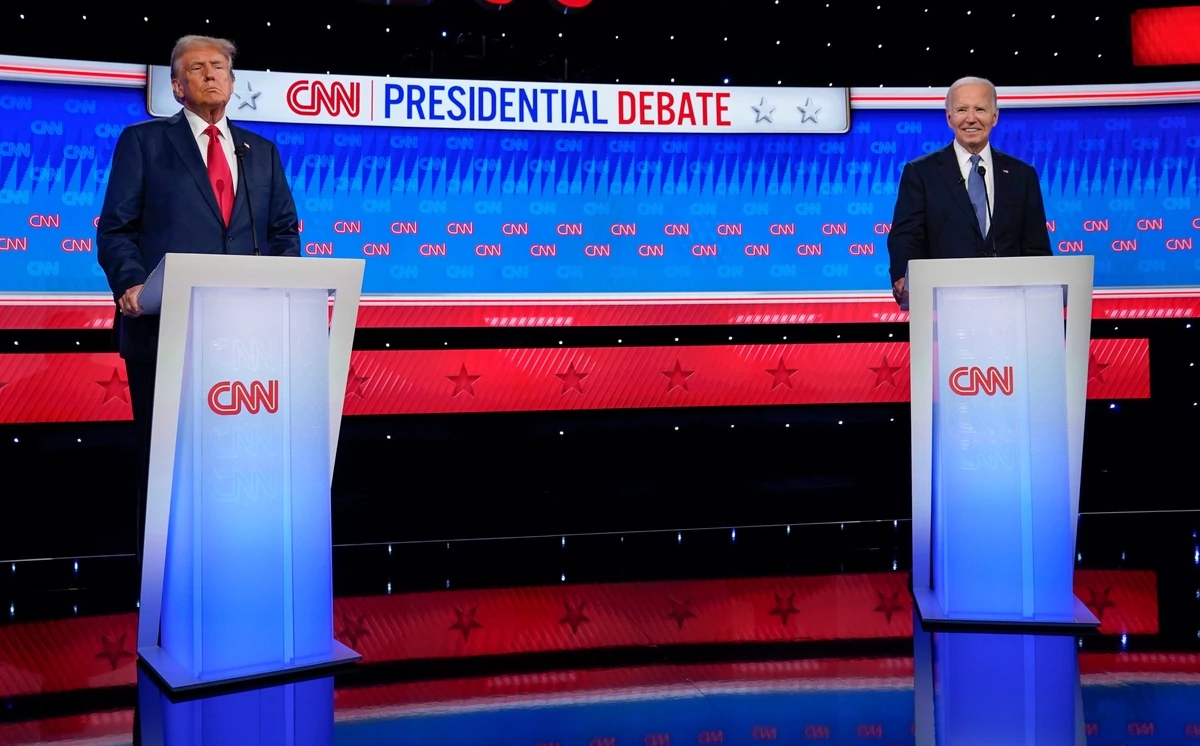
For years, elections have been the easiest way to explain prediction markets to someone who has never used one. Pick a candidate, watch the probability move, and see whether the market was right on election night. It's simple, familiar, and naturally gets people talking.
That introduction still works, but prediction markets are quickly outgrowing it. Sports, crypto, economics, weather, and even short-term price markets are giving people reasons to open these apps every day. The industry's next big step doesn't need to wait for another presidential election.
Worth a Read: Midterms 2026: 1 in 3 would trade against their own party, survey finds
Elections Were the Perfect Introduction
Politics became so closely associated with prediction markets for a reason. Elections have clear outcomes, huge audiences, and months of new information for traders to digest. Every poll, debate, and campaign development gives the market something new to react to.
The problem is frequency. Presidential elections happen every four years, while prediction-market platforms are trying to build products people use every week or even every day. You can't build that kind of habit around election night alone.
Sports Changed the Calendar
Sports solved much of that problem almost immediately. Instead of waiting months for one major resolution, traders can find events happening every night across football, basketball, baseball, soccer, tennis, and plenty of other sports.
That has helped change what a prediction-market platform can look like. It can be somewhere you check because the NFL plays on Sunday, Bitcoin moves on Tuesday, or an economic report arrives Wednesday morning. There is always another event coming.
The industry's menu now stretches across areas including:
- Sports
- Crypto prices
- Economic data
- Weather
- Entertainment
- Politics
- Financial markets
- Breaking news and world events
That's a much stronger foundation for mainstream use than relying on politics every few years.
Products Are Starting to Look Different, Too
The change isn't only about adding more categories. Platforms are also experimenting with entirely different ways to trade. Polymarket recently introduced 15-minute Bitcoin markets that resolve four times an hour. Kalshi has pushed into perpetual futures, while platforms are adding live sports data, streaming, social features, and combination products.
Prediction markets are starting to borrow ideas from several corners of finance and consumer technology. That matters because mainstream users don't necessarily care what category an industry puts itself in. They care whether the product is interesting, easy to understand, and gives them a reason to return.
The Next Breakthrough Could Be Something Boring
One thing we think gets overlooked is how useful prediction markets could become outside the headline-grabbing stuff. An election market makes great television, but a market forecasting inflation, interest rates, or tomorrow's temperature can provide information people actually use.
That's where prediction markets can become more than entertainment. Market probabilities can become another data point you check alongside a weather forecast, stock price, poll or economic calendar.
Getting there will require more than simply listing thousands of contracts. The best markets need liquidity, clear rules and enough participation for their prices to mean something.
Mainstream Doesn't Have to Mean Everyone Trades
Prediction markets becoming mainstream also doesn't require every person reading a market probability to actually trade it. Most people who check stock prices aren't active stock traders, and plenty of people follow polling averages without participating in surveys. The same thing could happen here.
Someone might see a prediction-market probability during a sports broadcast, weather report, or news story without ever opening an account. That kind of distribution may ultimately matter just as much as adding traders. Once market probabilities become normal information people encounter throughout the day, prediction markets have crossed a very different threshold.
The Trade Handle Prediction Markets Take
The 2024 election helped introduce millions of people to prediction markets. The industry shouldn't spend the next few years waiting for politics to recreate that moment. Sports have already shown there are other ways to create frequent engagement.
Crypto, economics, weather, and new product formats are pushing the idea even further. The real sign that prediction markets have gone mainstream won't be another giant election market. It will be when people stop thinking of prediction markets as something they only check during an election.