


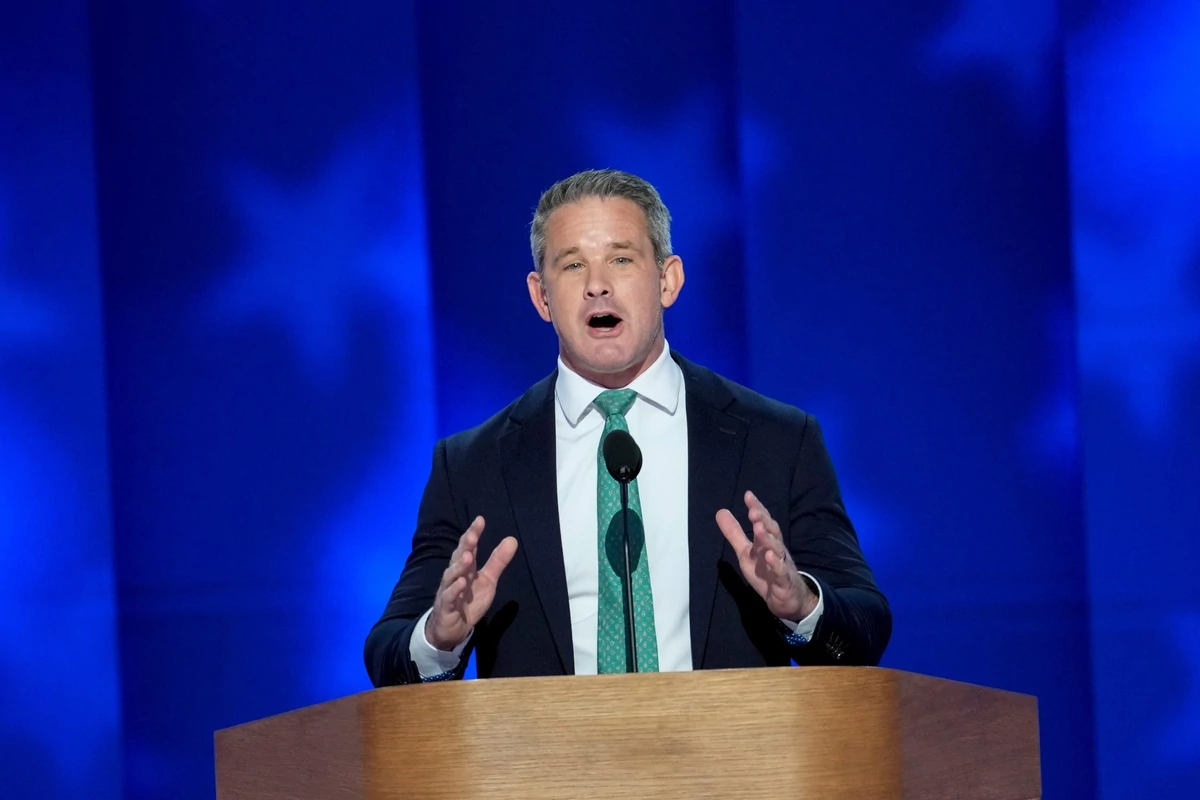
Another politician is under fire for possible prediction market insider trading allegations. Per reports, former Congressman Adam Kinzinger is being investigated by the CFTC for a trade he was involved with on Kalshi.
Kinzinger allegedly traded on an event contract that asked whether or not he would be pardoned by then-U.S. President Joe Biden. Kinzinger has responded publicly, denying that he did anything wrong and declaring the probe “100% politically motivated”.
Why Adam Kinzinger’s Kalshi Trades Are Under Investigation
Kinzinger is accused of allegedly trading contracts on Kalshi that involved Joe Biden pardons, with one involving himself.
Given the fact that Biden indeed did end up pardoning Kinzinger following the trade (and he profited roughly $823), the CFTC is looking into whether he benefited from information not available to the public.
Kinzinger, meanwhile, labels the investigation as “politically motivated”. He also has stated that he has never mentioned a White House pardon to anyone, and had no pre-existing knowledge of the former President's eventual pardon decision.
The “he said, she said” situation creates an obvious dilemma; did Kinzinger simply make what he now refers to as “a dumb bet”, or did his ties to the situation give him privileged information that he leveraged into financial gain?
Kinzinger Kalshi Investigation Promotes Regulation
Whether Kinzinger is telling the truth or not, he’s yet another reminder of the importance of further prediction market regulation.
This doesn’t necessarily mean that prediction markets are inherently prone to corruption; but it does shine a light on ethics and code of conduct. Put simply, the current guidelines aren’t harsh or clear enough to dissuade even highly appointed politicians from being active in event markets that could be considered as insider trading.
It doesn’t take a prediction market expert to see that Kinzinger’s involvement in this trade was unethical at best. The wager literally involved his future, and only Joe Biden could have had a better guess at how the situation was going to play out.
Of course, Kinzinger’s Kalshi trade investigation isn’t just about what he did. The top prediction markets have been public about accepting the reality that there are always going to be certain risks involved with their exchange.
Kinzinger Case Could Help Form Prediction Market Boundaries
Kalshi CEO Tarek Mansour welcomes regulatory safeguards, while Polymarket even recently updated their consumer protection tools.
At some level, most prediction market sites are tuned into the reality of regulations being necessary. The question is at what level exactly, and how far (and to who) do they reach?
Specific guidelines, transparency, and harsh prediction market boundaries may be the end result from situations like Kinzinger’s. Right now, the line may be too blurred.
Kinziger readily admits he made the trade and profited. However, he doesn’t feel he did anything wrong, and per current rule, he arguably didn’t. Does that mean Kalshi changes its rules so anyone involved with an event market at any level can’t wager on it? That is one question the platform will have to answer.
The Trade Handle Prediction Markets Take
This isn’t an automatic ding to the overall aesthetics of prediction markets. Kalshi and other platforms are offering a product with somewhat loose guidelines, and their users can potentially abuse it.
So far, it’s been too easy for infractors to say they didn’t know they were doing anything wrong, or that they weren’t cheating the system. And that’s because so far the regulatory rules in place are allowing them to.
That doesn’t make Kalshi the bad guy. But it does shine a bright light on a rapidly growing industry that needs to regulate itself better in a hurry.