


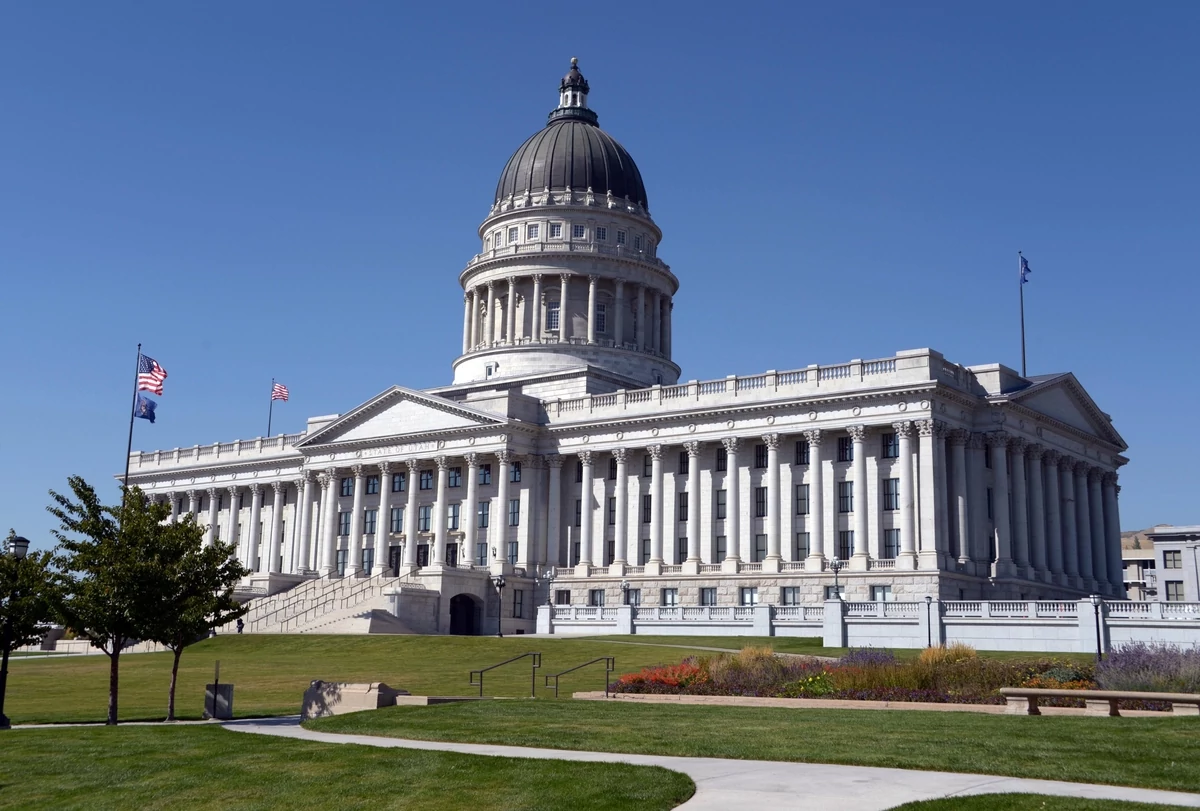
Another state is taking on prediction markets. This time it’s Utah and their target is Kalshi. Per reports, Utah Attorney General Derek Brown has filed a lawsuit against the prediction market platform, citing the site for illegal gambling offerings within the state.
Utah, a state that presently does not allow legal gambling, contests that Kalshi is facilitating illegal gambling while skirting traditional sports betting laws. The lawsuit aims to block Kalshi from offering specific event contracts to state residents, and also seeks monetary return from unlawful revenue.
Utah Goes After Kalshi for Illegal Gambling
The lawsuit against Kalshi alleges that the company’s event contracts are essentially gambling wagers. This would mean Kalshi is breaking Utah’s state law, despite the company’s status as a federally regulated entity backed by the CFTC.
Due to Utah’s stance, the state is pushing for Kalshi to prevent Utah residents from accessing all sports event contracts. Utah is also seeking the removal of event contracts dealing with political, election, cultural, and any other event-centric markets.
In addition to Kalshi removing these markets, Utah is demanding financial restitution for Kalshi’s alleged unlawful activity within the state. Per estimates, Kalshi has accumulated somewhere between $30 million and $61 million via Utah accounts.
Kalshi’s Federally Regulated Status Complicates Matters
The problem with Utah’s argument is that Kalshi isn’t a sportsbook, either by definition or by technical operation. At its core, Kalshi is a federally regulated exchange and is overseen by the Commodity Futures Trading Commission.
This status paints Kalshi as a financial institution where traders can make plays on real-world outcomes, rather than a sportsbook where people are betting against “the house”.
While Utah clearly doesn’t agree with the discrepancy, the distinction is still key in their fight to push Kalshi out of the state. Kalshi’s defense is that their current framework issues federal authorities jurisdiction over where they can provide their product, who can access it, and what exactly that product may be.
Could State Restrictions Hurt Prediction Markets?
In Utah’s opinion, Kalshi and other prediction markets operate almost exactly like traditional gambling platforms. And since gambling is against state law, Kalshi shouldn’t be allowed to conduct business as presently displayed in Utah.
The problem isn’t just that Kalshi doesn’t agree. It’s that Kalshi doesn’t operate the same as an online betting site. Kalshi CEO Tarek Mansour said in a recent interview that the site is pro-regulation, while making the clear distinction between prediction markets and sportsbooks.
Mansour noted that Kalshi and other prediction markets aren’t like sportsbooks because they aren’t predatory and it’s not them against the user. Sportsbooks try to minimize the hit from successful bettors, while they prey on losing bettors to ensure an edge.
The Trade Handle Prediction Markets Take
Despite the difference between these industries being clear, Utah and other U.S. states are still blindly moving forward, trying to discredit the industry. By ignoring a difference in definition and operation, Utah and other states may be setting a dangerous precedent; that their perspective overrules federal law.
Politician Ted Cruz recently made waves over a bill intended to hand the power back to the states officially when it comes to the battle with prediction markets. If successful, it could provide a large dent in Kalshi’s model.
It isn’t shocking that a conservative state like Utah would oppose Kalshi. It’s a bit alarming that they can so effortlessly redefine an industry on the fly, however.
Utah’s lawsuit may ultimately prove unsuccessful, but it’s a reminder of a bigger issue; prediction markets still toe the line of gambling, and there needs to be more clarity on the subject.
What that ultimately looks like is presently up in the air, but it involves more regulatory changes, and it may require a few losing battles on the state level before the most pressing issues get ironed out.