


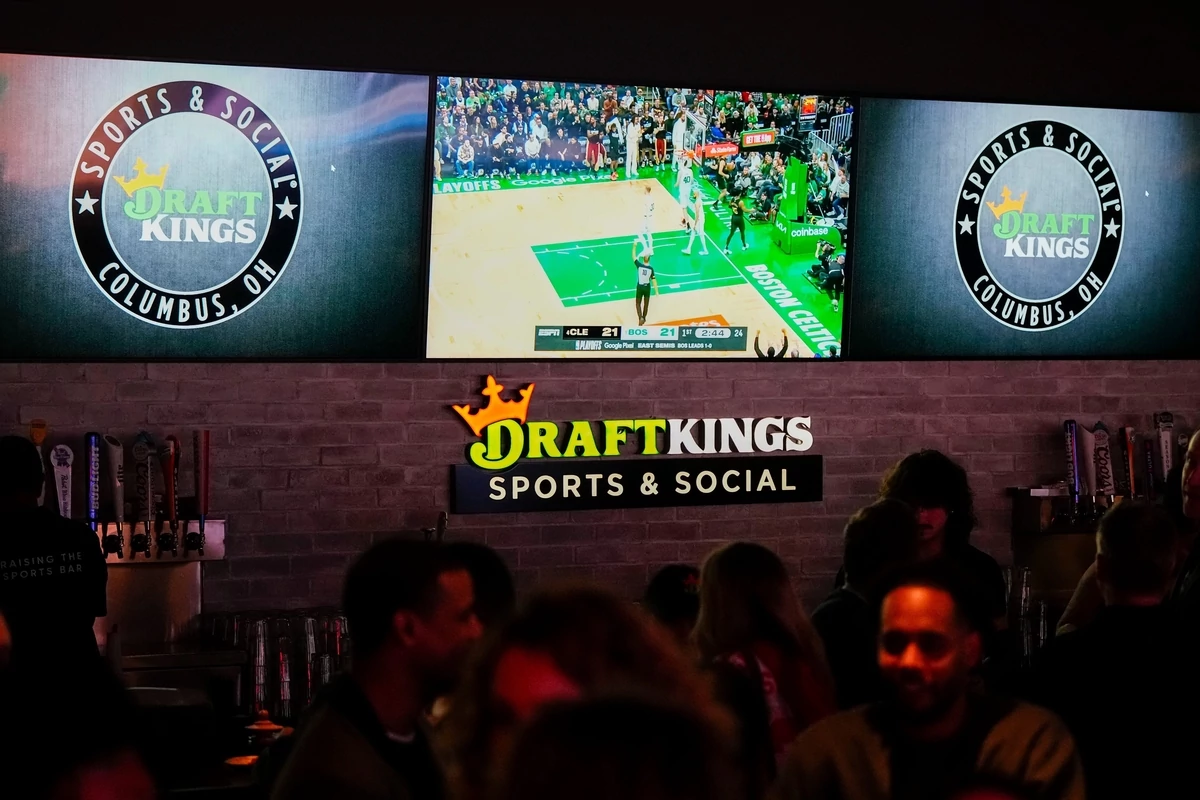
There's been a lot of talk lately about prediction markets taking business away from traditional sportsbooks. Every new sports contract, partnership, and trading-volume milestone seems to spark another conversation about whether Kalshi and other exchanges will eventually replace the companies sports fans already know. But I'm not convinced this industry needs to head that way.
Prediction markets could become something much bigger than another place to trade on football games. Yet sometimes the industry focuses so much on competing with sportsbooks that it forgets what makes these platforms interesting in the first place.
Sports Brought the Crowd, but There's More to Offer
It's easy to see why sports contracts have become such a major focus. People already have opinions about which team will win, and those events offer clear, easy-to-follow outcomes. If you're introducing someone to prediction markets, a football game is probably an easier starting point than an economic report.
Still, sports are only one part of what these exchanges can offer. You can trade on elections, Federal Reserve decisions, economic indicators, entertainment, and all sorts of other events that traditional sportsbooks generally don't cover. That's a pretty significant difference, and one I think deserves more attention.
Two Products Can Look Similar Without Being Identical
From a customer's perspective, the similarities are obvious. You can open either platform, choose a sporting event, bet on an outcome, and get paid if you're right. Understandably, people compare the two. However, the mechanics behind those transactions aren't necessarily the same. Traditional sportsbooks generally set prices and manage their own exposure, while prediction market exchanges bring buyers and sellers together to trade contracts.
Prices on an exchange can change as participants submit orders, and liquidity can affect what you actually pay. That distinction matters, even if the average sports fan doesn't particularly care about the technical details. It also sits at the center of the ongoing legal fight over whether sports event contracts belong under federal derivatives regulation or state gambling laws.
Stop Trying to Win the Same Customer
Here's where I think prediction market operators should be thinking differently. Instead of asking how to pull someone away from DraftKings or FanDuel, why not focus on attracting people who aren't particularly interested in traditional sportsbooks? An audience enjoys following politics, economics, technology, and major world events.
Those people might never download a sportsbook app, but they could find value in trading contracts tied to subjects they already follow closely. Prediction markets can offer something genuinely different to that audience. A few areas I'd like to see exchanges put more energy into include:
- Economic events: Interest rate decisions, inflation reports, and employment figures.
- Politics: Election outcomes and major government decisions.
- Technology: Product announcements, company milestones, and industry developments.
- Entertainment: Award shows, box office performance, and cultural events.
- Market education: Helping newcomers understand prices, liquidity, and contract settlement.
None of those categories requires prediction markets to defeat sportsbooks. They also give exchanges opportunities to build their own identity.
The Sportsbook Comparison Comes With Baggage
There's another reason I wouldn't want the industry defined entirely by its competition with sportsbooks. The more prediction markets look and operate like traditional sports platforms, the harder it is to explain why the law should treat them differently. That doesn't automatically mean they're the same product, but it certainly gives state regulators another argument. States have already challenged sports event contracts, while the CFTC argues that federally registered exchanges fall under its jurisdiction.
Those disagreements aren't going away simply because trading volume keeps climbing. If anything, the rapid growth of sports contracts has made the debate more visible. Exchanges shouldn't abandon a popular category just to avoid criticism. But they also shouldn't let that category become the only thing people associate with prediction markets.
The Trade Handle Prediction Markets Take
At Trade Handle, we've covered the growing competition between prediction markets and traditional sportsbooks, and sports have helped bring attention to the industry. But I think treating every new sports contract as proof that prediction markets are winning some larger battle is dangerous. Success doesn't have to mean putting another industry out of business.
I'd rather see exchanges become the place people turn when they want to trade on what happens next, whether that's a championship game, an economic announcement, or a major political development. Sportsbooks already have an established audience and a familiar product. Prediction markets have the chance to build something with a much broader reach.
There's nothing wrong with competing for sports customers. I just don't think replacing sportsbooks should be the goal. Prediction markets offer more interesting things than becoming another version of something that already exists.