

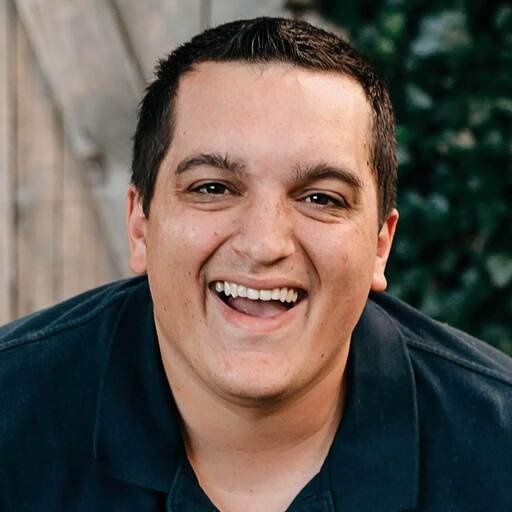

Utah's fight with Kalshi just became personal. On October 28, Attorney General Derek Brown filed criminal charges against the prediction markets exchange and its co-founders, CEO Tarek Mansour and COO Luana Lopes Lara. The case includes 13 felony counts and one misdemeanor, putting two prominent industry executives directly into a state criminal proceeding.
A Dozen Trades Spark a Criminal Case
The investigation began when a Utah agent created an undercover Kalshi account in September. Using a local address, phone number, and debit card, the investigator purchased 12 sports contracts over nearly two weeks. Those transactions, totaling roughly $115, now form the basis of a much bigger case.
One contract involved Utah's football game against Utah State. The agent spent $5 on Utah winning by more than 27.5 points, then received a return after Utah won by 36. Prosecutors also examined contracts involving professional football, baseball, hockey, and soccer.
Here's What Prosecutors Filed
The charging documents separate the alleged violations into three categories. Utah argues that offering those sports transactions violated state law despite Kalshi's federal registration. Neither the company nor its founders have been convicted of the alleged offenses.
- 12 third-degree felony counts: Online gambling promotion tied to the investigator's transactions.
- One second-degree felony count: An alleged pattern of unlawful activity.
- One misdemeanor count: General gambling promotion.
The state issued summonses to Mansour and Lopes Lara rather than arrest warrants. That distinction matters, but it doesn't make the accusations routine. Criminal charges against executives raise stakes that a corporate civil lawsuit doesn't.
Two Governments, Opposite Directions
The timing is particularly striking. Just a day before Utah filed these charges, the Commodity Futures Trading Commission and Justice Department sued the state, seeking to prevent enforcement against federally regulated event contracts. Federal officials argue the Commodity Exchange Act gives the CFTC exclusive authority over transactions on registered exchanges.
Brown doesn't accept that interpretation. His position is that Utah can enforce its own restrictions regardless of how Kalshi describes its contracts. Kalshi, meanwhile, called the criminal case an overreach and said it intends to challenge the charges in court.
Arizona Already Opened This Door
Utah isn't the first state to take the criminal route. Arizona filed misdemeanor charges against Kalshi earlier this year, although a federal judge later paused that prosecution. Utah's felony counts mark a more serious development, particularly because they also name the company's founders.
The wider legal picture remains unsettled. Kalshi lost an attempt to block Utah enforcement in federal district court in August, and an appeals court declined to pause enforcement during the appeal. Other courts have reached different conclusions in related disputes, leaving a complicated, state-by-state landscape.
The Trade Handle Prediction Markets Take
We've watched the jurisdiction fight evolve from warning letters to lawsuits, but criminal charges against founders are another level entirely. If you're following prediction markets, the important story isn't the small amount an undercover investigator traded. It's the possibility that executives could face personal criminal consequences while federal regulators insist those markets fall under their authority.
For now, these remain allegations that Utah must prove. Kalshi plans to fight, and courts still have major questions to resolve about where federal oversight ends and state authority begins. What happens next could influence how aggressively other states pursue exchange operators, not just their companies.