


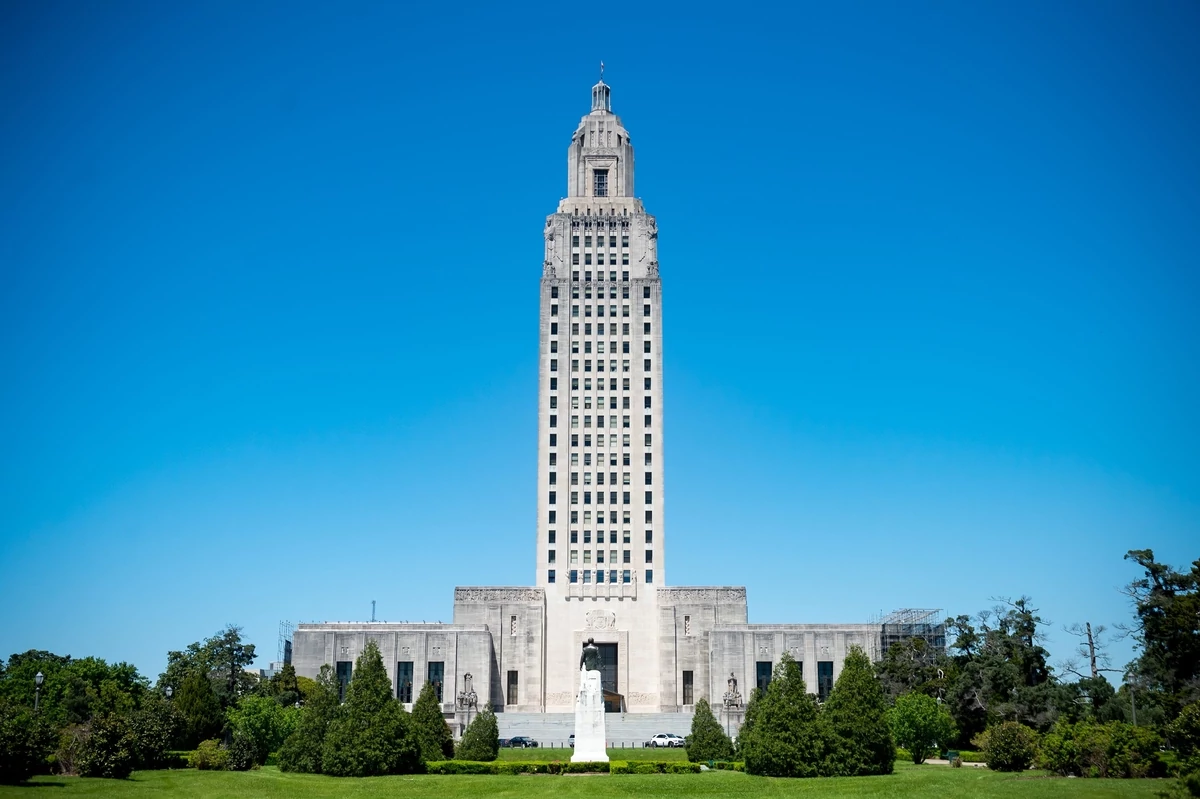
Kalshi continued its fight against individual U.S. states this week, as it submitted a federal lawsuit in an effort to block Louisiana from controlling its actions within the state.
Louisiana has been loudly against prediction markets like Kalshi, largely because they view them as gambling entities. As such, Louisiana has demanded that Kalshi cease operations in the state until they agree to abide by sports betting laws.
Kalshi has steadfastly disagreed with Louisiana and all other states in their perspective that prediction markets are like sports betting. This latest lawsuit could grant Kalshi the ability to side-step Louisiana's state gambling laws and operate in the state freely.
Kalshi Challenge’s Louisiana’s Gambling Stance
Louisiana currently allows legal sports betting, but it does impose strict requirements of online gambling entities within the state. Sportsbooks must enforce a 21-year old legal age for placing bets online, while companies also need to submit to licensing fees and taxes.
The problem is within the definition of sportsbooks and prediction markets. Kalshi CEO Tarek Mansour has said countless times that prediction markets are not the same as sports betting sites, for a variety of reasons:
- Traders don’t play against the house
- Traders set the market price
- Payouts typically are settled based off of yes or no trades
- Small trading fee vs. “vig”
- Wagering on event outcomes, not just random sports bets
- Already federally regulated as financial derivatives by the CFTC
- Can sell shares vs. being locked into bets beyond cashout option
That’s a long list that helps illustrate just how different prediction markets and traditional betting sites really are. Louisiana and other U.S. states still don’t see it that way, but motivation is a key factor here.
Louisiana joins a long line of states that will gladly allow prediction markets to exist, but only once they pay for their share of the pie. To this point, Kalshi hasn’t had to succumb to their will due to offering a completely different product.
It isn’t that U.S. states can’t grasp that Kalshi is different and should be treated as such; it’s that they simply don’t want to.
Why Federal Oversight Matters
How should financial innovation be regulated throughout the United States? Should each individual state be able to overrule the CFTC, or should federally regulated exchanges be allowed to operate under nationwide rules that cover the entirety of the U.S?
That’s the bigger debate here. Louisiana is not unique in wanting Kalshi to bend the knee. They have clear monetary benefits at risk. Not only is Kalshi skirting their online betting licensing fees and taxes, but they’re also cutting into the state’s revenue from legal online sports betting.
Perhaps that nuanced part of the equation is why this impasse is so important, and why it needs a more concrete answer sooner rather than later. A disconnected regulatory system is at best confusing, while at worst it could create a frayed environment where Kalshi and other prediction markets have inconsistent offerings, limited access, and stunted growth.
The Trade Handle Prediction Markets Take
Kalshi refuses to back down, and unless they slowly lose every battle against all of the U.S. states, they have no reason to. The line in the sand has been drawn, and there are enough clear differences between sportsbooks and prediction markets for Kalshi to drop anchor.
There’s no denying that prediction markets are distinctive in how they allow users to trade on real-world outcomes. Their unique structure admittedly cuts into state earnings, and that is precisely what creates the problem we’re seeing right now.
Kalshi’s lawsuit against Louisiana gives courts yet another chance to offer clarity as far as who has the power when it comes to federally regulated financial institutions, and where state authority comes in.