


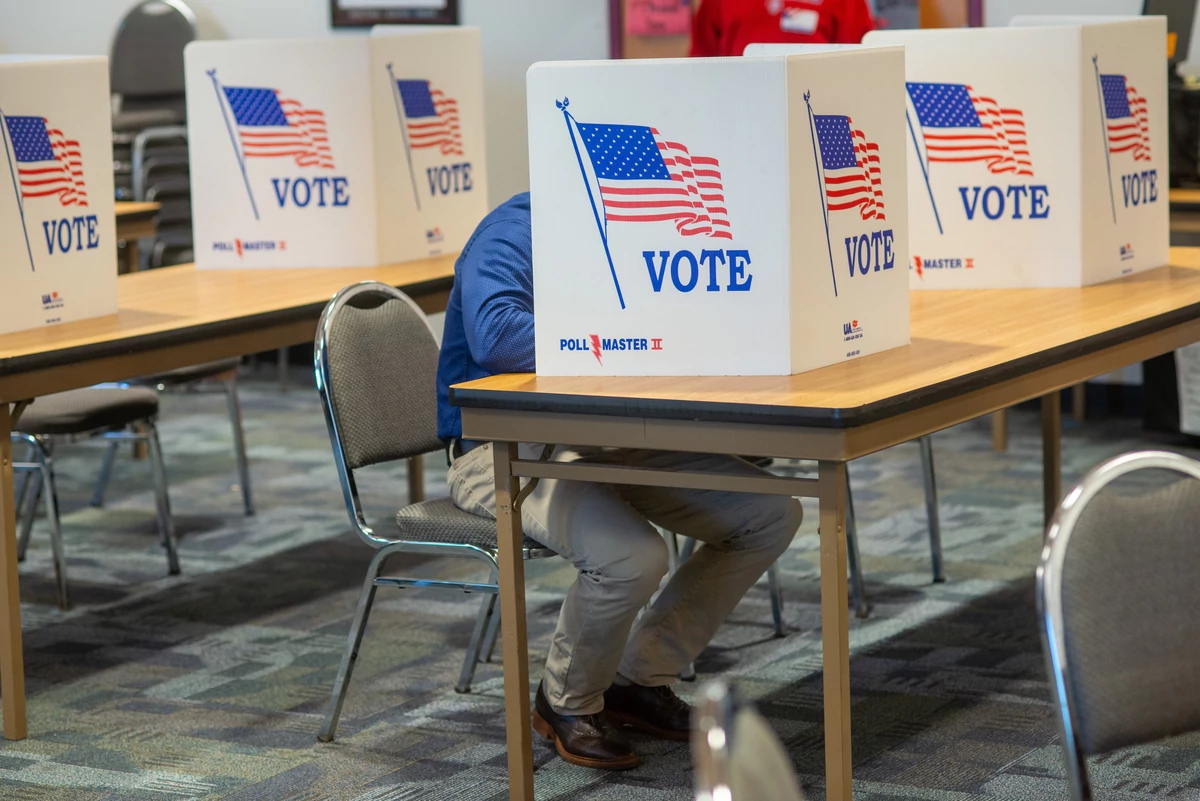
Kalshi CEO Tarek Mansour stated that the 2026 midterms would be the first prediction market election. That may have been an understatement.
Early reports have leading prediction markets Kalshi and Polymarket combining for over $1.9 billion in trading volume related to elections. The massive trading numbers illustrate the rise of the prediction market industry, and the transition from a sports-centric trading environment to an all-inclusive market for endless event outcomes.
Kalshi & Polymarket Push for $1.9B Trading Surge
The reported numbers are current as of Monday night, with Kalshi being responsible for $1.3 billion in 2026 midterm election contracts being traded, and Polymarket contributing $600 million in volume.
Even more volume will have flowed through the top two prediction market sites leading into the final stages of each midterm election. But the damage was done by Monday night, with more than 7,000 election-centric outcomes wagered on.
Contracts dealing with congressional races, control of the House and Senate, and other political outcomes were traded on, shining a bright light on the midterms and the power of political contracts.
For comparison’s sake, the 2024 Presidential Election garnered $3.6 billion in trading volume at Polymarket. If a smaller event can approach those numbers, prediction markets appear to be expanding their audience reach.
Election Prediction Markets Enter the Mainstream
This type of volume suggests election prediction markets aren’t just helping to grow the industry; they’re weaving into the fabric of everyday life.
Kalshi and Polymarket are giving people access to event contracts attached to real-life events, with elections having a direct impact on how cities and states operate. Beyond paying attention to these events for potential monetary gain, the rise of these markets also generates useful data and gives users insight they can readily access in real-time.
The jury is still out on the accuracy of prediction markets over time, and there is still the possibility of markets being influenced or even manipulated. However, pushing political event contracts into the mainstream is getting more people interested in politics, educated on key talking points, and helping the prediction market industry reach new heights.
Regulatory Scrutiny is Prediction Market’s Next Chapter
While there is a lot of good associated with this growth and a surge of interest in election contracts, the rapid expansion for prediction markets simultaneously calls for regulatory action.
Kalshi and Polymarket are already knee-deep in several legal battles, but both sites have also had to deal with cyber attacks, insider trading, and market manipulation.
This has already had some entities call for restrictions or flat out bans of election contracts, while political employees have been forbidden to participate in trading in some cases.
The top prediction markets have taken these concerns seriously and have a shared desire to strengthen market integrity and protect both their user base and their product. That said, the faster prediction markets grow, the greater the need is for universal regulatory enhancements.
The Trade Handle Prediction Markets Take
The 2026 midterms represent a solid milestone for prediction markets, as the big trading numbers display another surge, as well as an extended reach.
If you can get the masses to care about politics and even trade on election contracts, the end is nowhere in sight in terms of growth.
Even so, critics of prediction markets will continue to doubt the industry due to various risks associated with these exact contract types. For now, however, prediction markets will bask in the glory of a successful midterms run, while keeping an earnest eye on maintaining a constructive path geared towards protecting market integrity and continued growth.