


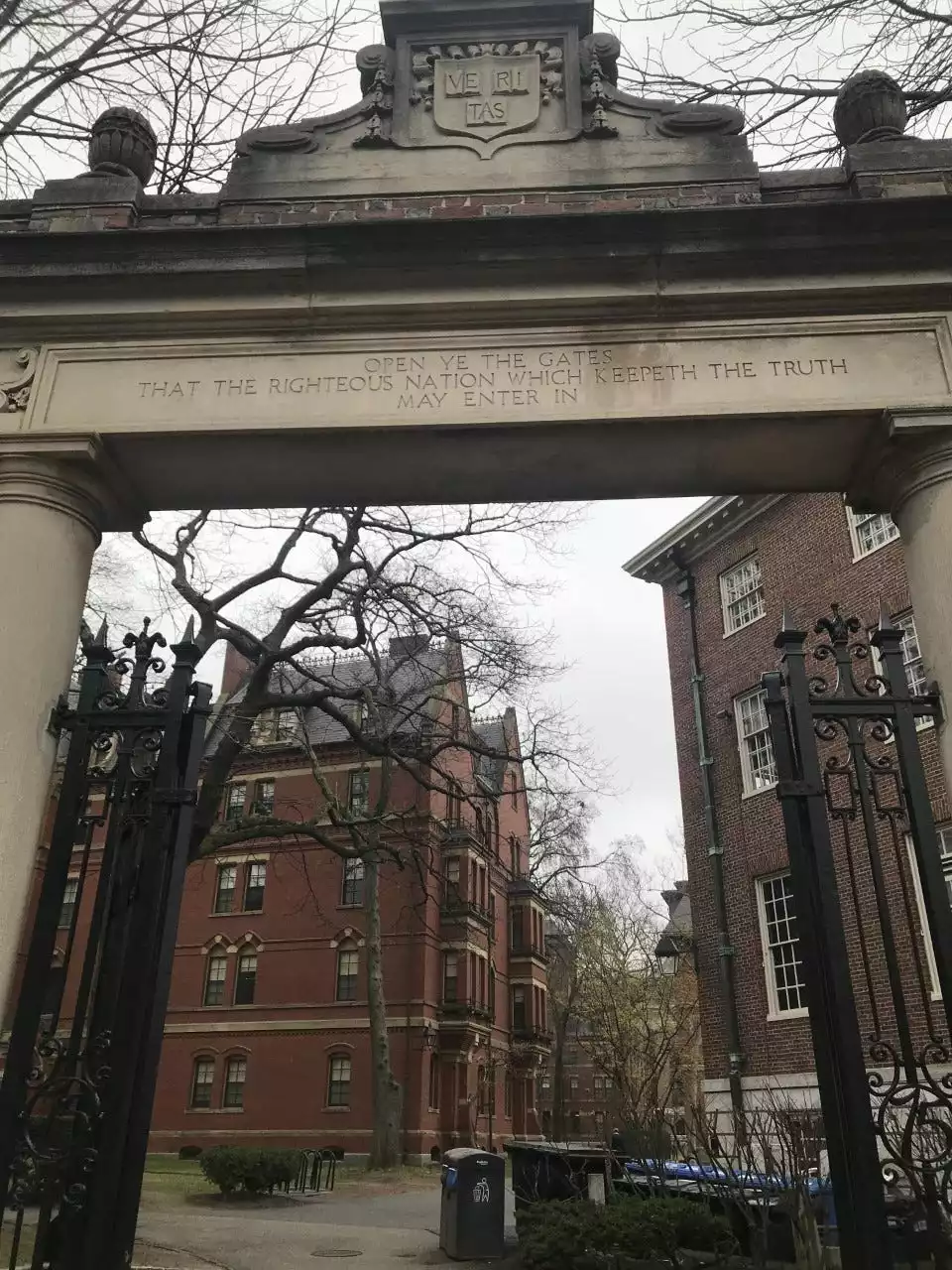
Getting into Harvard is hard enough. Now, Kalshi wants to let people trade on just how difficult getting accepted might be. The prediction market company is preparing to launch contracts tied to college acceptance rates, bringing another unexpected topic into trading.
Kalshi has filed paperwork with the Commodity Futures Trading Commission for markets covering 22 selective universities, including all eight Ivy League schools. Nothing is live yet, but the company hopes to launch the contracts before colleges send out their admission decisions in spring 2027.
You Could Soon Trade on Harvard's Acceptance Rate
Kalshi has expanded into sports, politics, entertainment, and plenty of other categories. College admissions might be one of its more unusual ideas yet. Instead of predicting who wins a football game, you could trade on how many students a university accepts.
The proposed markets would cover undergraduate acceptance rates and total application numbers. Traders could take positions on whether those figures finish above, below, or within a particular range. Some of the schools included are:
- Harvard, Yale, Princeton, and Brown
- Stanford and MIT
- Duke, Vanderbilt, and Northwestern
- UCLA and UC Berkeley
- Notre Dame and the University of Chicago
Don't expect to see contracts asking whether your neighbor's kid gets into Stanford. These markets would focus on the bigger picture, using overall admissions statistics rather than individual students' results.
Where Will Kalshi Get the Numbers?
College admissions statistics aren't always as straightforward as they seem. Universities sometimes announce early figures, release updated numbers later, and publish more complete reports after the admissions cycle ends. Kalshi plans to avoid that confusion by using each university's Common Data Set to settle its contracts.
That's a standardized report containing official admissions information, including how many students applied and how many received offers. The markets would cover first-time undergraduate applicants, not transfer or graduate students. That gives traders a specific set of numbers to follow instead of trying to figure out which university announcement counts.
What About People Who Already Know the Results?
This is probably the first question that comes to mind. If someone works in a college admissions office, they may know the acceptance rate long before the public does. Kalshi has included restrictions intended to prevent people with access to confidential admissions information from trading. Those restrictions would cover:
- Admissions and financial aid employees
- University communications staff with early access to results
- Institutional research employees handling private admissions data
- Certain contractors and application-platform employees
It's a reasonable concern, especially when the outcome depends on information universities already have behind the scenes. Kalshi's rules are meant to address that advantage, but enforcing them will be important.
Colleges Aren't Exactly Celebrating the Idea
Not everyone in higher education is thrilled about turning acceptance rates into tradable contracts. Angel Pérez, CEO of the National Association for College Admission Counseling, called the idea absurd and raised concerns about adding more stress for students. Kalshi sees things differently.
The company argues that college admission rates matter economically because education affects career opportunities, labor markets, and household finances. There's some logic behind that argument, even if you aren't convinced these markets need to exist. Acceptance rates are measurable, widely discussed, and closely followed by students and families every year.
The Trade Handle Prediction Markets Take
We have to give Kalshi credit for finding another category most people probably never imagined trading on. College acceptance rates aren't exactly exciting dinner-table conversation, but they do give traders something concrete to forecast. The question for us is whether enough people will actually care to participate. You might be curious about Harvard's acceptance rate, but curiosity doesn't always translate into meaningful trading activity.
There's also something a little strange about creating a market around a process that's already stressful for millions of students and families. These contracts won't determine whether anyone gets accepted, but they could bring even more attention to how selective these schools have become. We'll be interested to see whether college admissions become another popular prediction market category or remain more of a novelty. Kalshi is clearly willing to test the idea, and traders' response will tell us whether there's much of a market for it.