


Prediction markets have been taking shots from lawmakers, tribal leaders, and politicians for the past couple of years. Sportsbook CEOs are starting to weigh in on their prospects now, too.
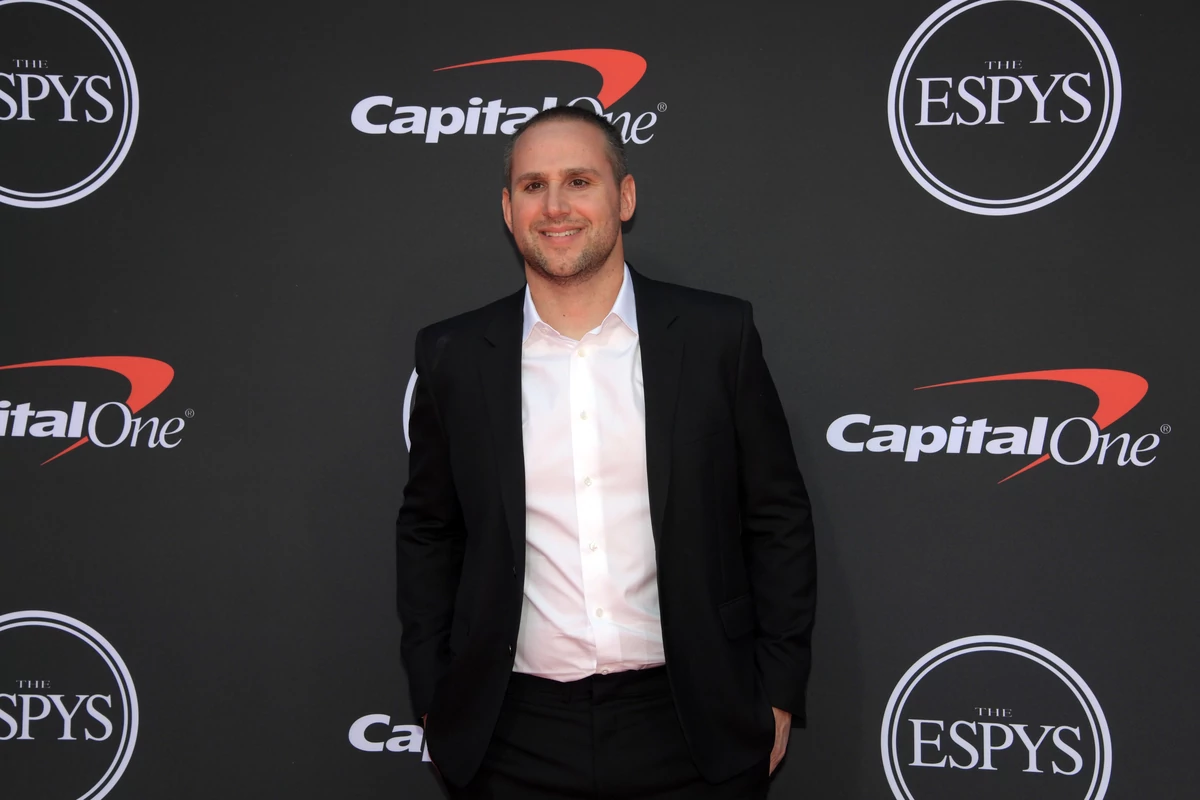
Fanatics CEO Michael Rubin recently chimed in on the state of the prediction market industry, declaring the platforms can benefit from a “regulatory loophole” for only so much longer.
Rubin refers to the way prediction market event contracts are defined, as well as the increased pressure from U.S. state lawmakers.
Fanatics CEO Questions the Future of Prediction Markets
Rubin’s remarks center on prediction markets leaning on the definition of their product, with their trades being labeled as financial swaps, rather than betting wagers.
Kalshi, Polymarket, and other prediction markets are regulated federally by the CFTC, with their product being seen as financial instruments and derivatives, rather than traditional gambling.
Rubin doesn’t see it that way, and assesses that lawmakers will collectively agree in due time. With sportsbooks and prediction markets having some similarities, the risk lies within states gaining the power to decide how those platforms are viewed (and how they operate) on a state-by-state basis.
In addition to publicly doubting the shelflife of the currently accepted prediction markets definition, the Fanatics CEO also expressed skepticism over recently reported valuation numbers.
Why Fanatics Should Be Afraid of Kalshi & Polymarket
Rubin’s comments carry some validity and there is certainly some concern for prediction market platforms. However, it’s not a surprising position, seeing as Rubin works for a direct competitor in an industry that prediction markets are responsible for minimizing.
The company he runs thrives on sports wagers, and is forced to adhere to state gambling laws, pay for licensing fees, share revenue, and pay taxes. Naturally, with prediction markets cutting into his company’s earnings - and not being forced to follow the same guidelines - Rubin isn’t too keen on a future where some serious change isn’t implemented.
In short, Rubin is somewhat biased here. There’s no way he wants to believe that prediction markets can continue on as they have, nor that they may be a burgeoning industry that is primed to get so big that bettors leave sportsbooks like Fanatics in droves.
Prediction Markets Are Already Bigger (and Different) Than Sports Betting
The problem with Rubin’s assessment is that it comes off more hopeful than factual. The main reason to take comments like this with a grain of salt is the obvious bias involved, but it’s also important to note the clear differences between sportsbooks and prediction markets:
- No house or fixed odds with prediction markets
- Prediction markets are federally regulated
- Prediction markets serve users beyond wager options
- Prediction markets don’t penalize users for successful trading
- Prediction markets don’t prey on unsuccessful traders
Prediction markets inherently are vastly different from sports betting sites. Their event contracts are typically settled as “yes” or “no” decisions with one final outcome to trade upon. In addition, it’s user-centric, with regular people setting prices and moving the action, as opposed to a sportsbook establishing and moving pricing.
Kalshi and other prediction markets also don’t demand a “vig” like traditional gambling sites, nor do they deactivate winning accounts, nor prey on habitual losers.
The clear differences between the two products suggest a quick path to universal regulation - for better or worse - isn’t a guarantee. On top of that, Rubin’s suggestion that recent valuations are overly ambitious comes off as borderline irresponsibly dismissive when considering everything prediction markets have to offer.
The Trade Handle Prediction Markets Take
Rubin isn’t wrong about prediction markets not being able to benefit from their product’s definition forever. That’s specifically why Kalshi and Polymarket are engaged in so many legal battles throughout the U.S.; state lawmakers don’t agree with the verbiage and courts are left to decide who gets final say.
The CFTC has already provided that answer, which creates an ongoing rift between federal and state level lawmakers. The progress has been slow and it’s unclear what the end result will be, but even prediction market leaders would be the first to admit (and already have) that more regulation is not just good, but ultimately necessary.
The other issue is Rubin’s assumption that recent valuations aren’t as promising or as threatening as they seem to be. It’s impossible to know for sure if prediction markets can measure up to what feel like outlandish valuations, but there’s no doubt Fanatics and other sportsbooks feel the heat.
More regulation is coming and prediction markets still have a long way to go to prove they’re as sustainable as they feel. But nothing we’ve seen so far suggests they’re not here for the long haul, whether sportsbook CEOs want to admit it publicly or not.