


A regulatory wake-up call has been injected into the veins of the prediction market industry. The Senate has reportedly passed a bill targeting prediction market event contracts dealing with violent acts, including war, terrorism, assassinations, and death.
The bill, known as the DEATH BETS Act, aims to establish transparent federal restrictions on some of the more controversial markets previously allowed.
The move may be met with resistance in regards to the government’s power over prediction markets. It also works to de-incentivize contracts that can be easily manipulated, exploited, or profited from events dealing with war, criminal activity, and the end of life.
Senate Passes DEATH BETS Act
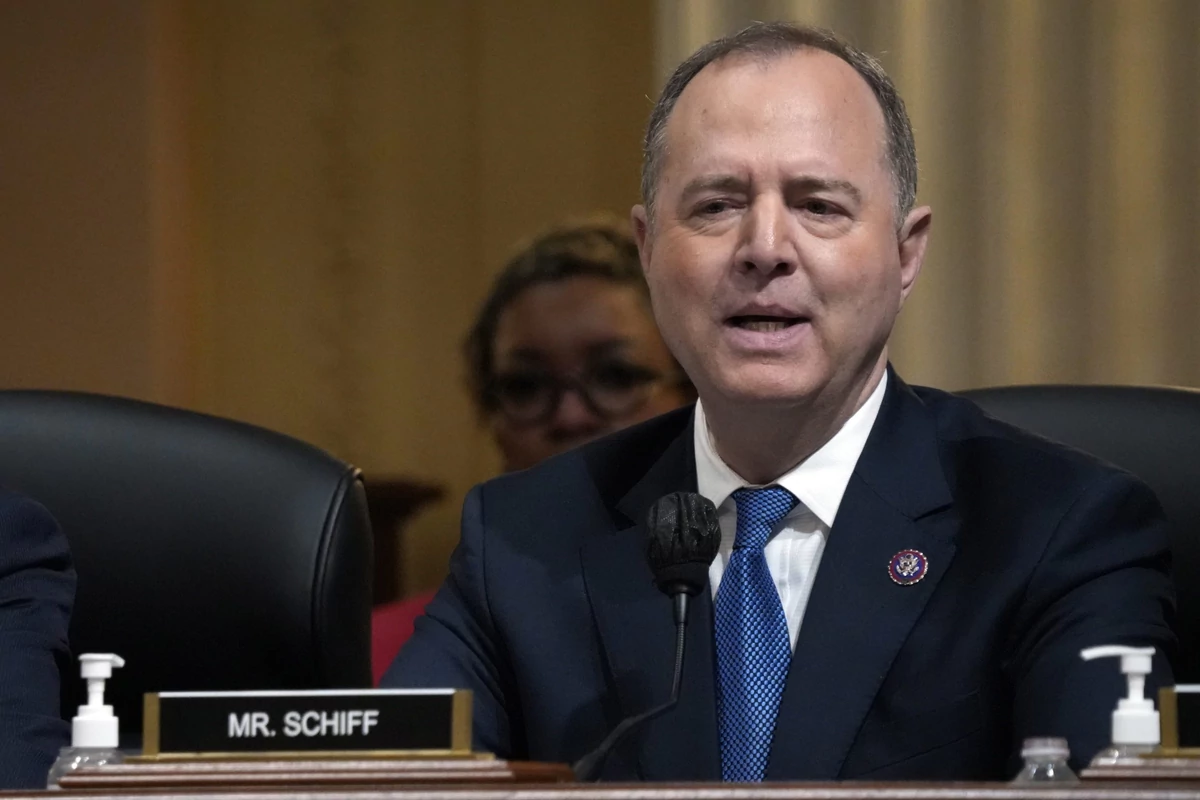
The Senate passed the DEATH BETS Act on November 19th, introducing legislation from Senators Adam Schiff and John Curtis that would ban certain event contracts.
The bill aims to prohibit contracts that include any of the following:
- Assassinations
- Terrorism
- War
- U.S. Military Operations
- Events determining an individual’s death
- Undefined contracts determined to relate to the above
The government is casting a relatively wide net with the clear focus to eliminate any event contracts involving violent acts. This move also amends the Commodity Exchange Act, which grants the government full jurisdiction over these types of contracts.
While the bill has not yet become an official law, its next stop is the House of Representatives and it is expected to be approved.
Why Violent Event Contracts Were Targeted
Violent event contracts were targeted for a number of reasons. The first big one is the fact that people are able to profit from horrible acts, ranging from war to assasination attempts.
While at a bare minimum morally complex, these event contracts could also be prone to insider trading, or even full-blown manipulation. Put simply, military officials could have information before the public and use it to make trades. Individuals could even go as far as to have a hand in a death and profit from it, as well.
This legislation aims to limit government insider trading on prediction markets, avoid market manipulation, and also dissuade the industry from profiting from event contracts dealing with violence.
Stronger Regulation Could Actually Help Prediction Markets
There’s no denying that extra regulation is naturally met with some resistance, while the CFTC effectively being overruled is also not the greatest precedent for the industry.
That said, this could potentially close the door on one nagging problem for prediction markets. In a year where the industry has run into numerous insider trading scandals and has been involved in a litany of regulatory court cases, this could actually be perceived as a mild win.
Even in defeat, prediction markets get an overall boost with this move. Prediction market insider trading should decrease, while negative backlash surrounding various event contracts will also be wiped away.
The question, of course, is where does the trimming of the fat stop? If the government can enforce their will and eradicate an entire category of prediction market event contracts, where do we go from here?
The negative aspect exists until universal regulation is more concrete. However, prediction markets can at least hang their hat on the fact that problem markets can clearly be targeted in isolation, rather than shutting sites down entirely.
The Trade Handle Prediction Markets Take
In an ideal world, prediction markets could be in lockstep with the CFTC and effectively govern themselves. Unfortunately, some of the markets discussed are highly controversial, and even if you disagree they should be banned, they clearly bring on negative attention and side effects.
Taking violent-centric event contracts off the table gives the government a small win. While it cuts off some trading volume and lessens the overall product versatility slightly, this is actually a net positive for prediction markets.
Not only is some of the negativity (insider trading, immoral connotations) shed with this bill, but the way this is being handled shines a light on how future markets can be cornered. In other words, if the government can parse prediction markets and debate and rule on them individually, big players like Kalshi and Polymarket can continue their services while fighting to keep specific categories running.