

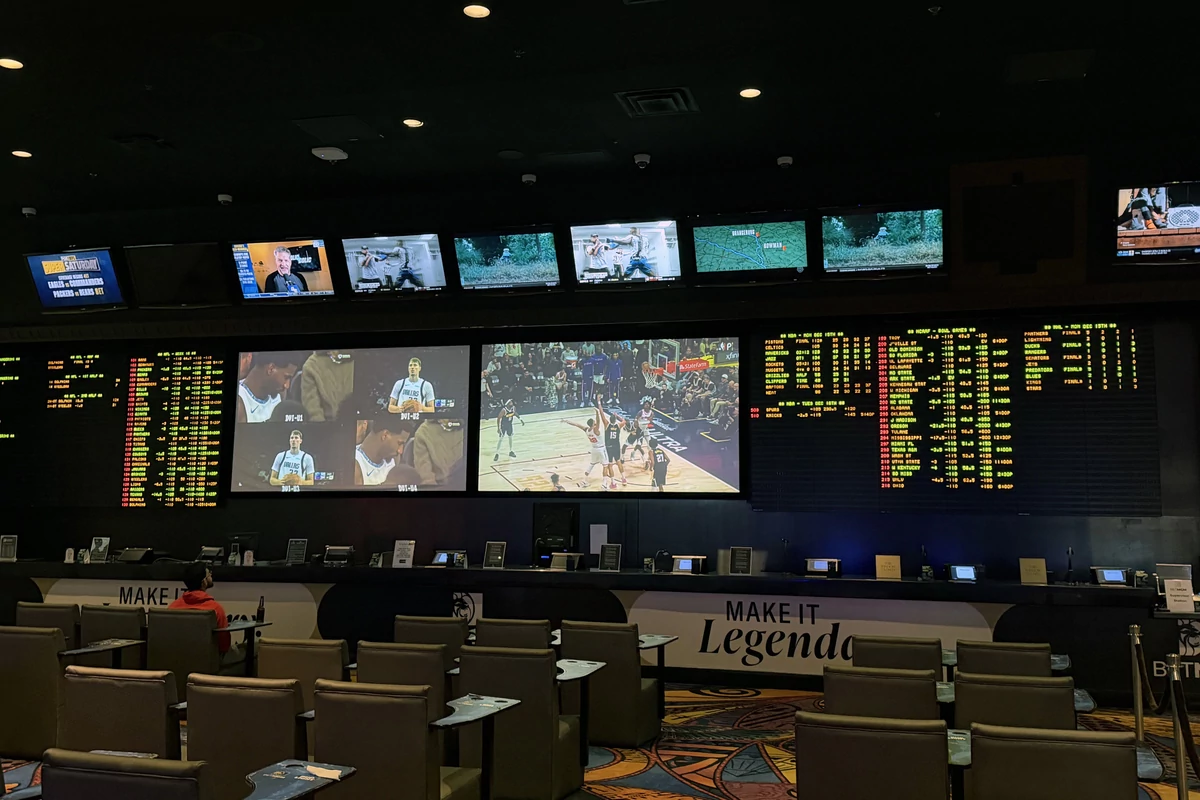
Kalshi's growing presence in the prediction market industry is apparently becoming too much for some traditional gaming operators to stomach. MGM Resorts International and BetMGM have officially pulled their memberships from the National Council on Problem Gambling (NCPG), taking issue with the organization's decision to welcome Kalshi.
The move comes as traditional sportsbooks continue clashing with prediction markets over regulation, consumer protection, and access to sports contracts. MGM isn't particularly thrilled about sharing space with Kalshi, even when that space is dedicated to improving consumer safety.
MGM Takes Issue With Kalshi's NCPG Membership
BetMGM and MGM made their feelings clear in a November 18 letter to NCPG leadership. The companies argued that Kalshi operates without many of the same restrictions imposed on traditional sportsbooks, making its membership difficult to accept.
Their concerns weren't limited to one issue, either. MGM pointed to several areas where it believes prediction markets have an unfair advantage:
- Kalshi allows customers as young as 18, compared to the 21-year minimum generally required at licensed sportsbooks.
- Prediction markets offer sports contracts in states where gaming regulators have challenged their legality.
- MGM questioned promotional messaging that could encourage financially vulnerable customers to view trading as a solution to money problems.
The disagreement also cost the NCPG a board member. BetMGM's responsible gambling director, Rich Taylor, resigned from the council's board effective immediately.
Kalshi's $2 Million Commitment isn't Enough
The interesting part of this dispute is that Kalshi didn't simply join the NCPG to put another logo on its website. The company became the council's first Platinum-level member in May, committing $2 million over two years toward financial trader health and safety initiatives.
That's a fairly significant commitment for a company frequently criticized over consumer protections. Kalshi is essentially helping fund the same type of safeguards that traditional gaming companies have been demanding from prediction markets.
MGM isn't alone in its objections, however. Other organizations reportedly leaving the council include:
- Michigan Gaming Control Board
- Ohio Casino Control Commission
- Nevada Council on Problem Gambling
- Evergreen Council on Problem Gambling
NCPG isn't Interested in Picking Sides
The NCPG doesn't appear particularly interested in reversing course. The organization maintains that working with prediction markets doesn't mean endorsing their legal positions or every aspect of their business.Its position makes sense when you consider what the council actually does.
If prediction markets pose potential risks to consumers, excluding those companies from safety conversations doesn't solve the problem. The NCPG has also emphasized that protecting vulnerable customers should take priority over disagreements between competing industries. In other words, the council would rather have Kalshi participating in consumer protection efforts than watching from the sidelines.
The Trade Handle Prediction Markets Take
There's no denying MGM has legitimate concerns about how prediction markets operate. Age restrictions, advertising practices, and consumer safeguards are all reasonable subjects for discussion, especially as sports contracts become increasingly popular.
But walking away from an organization dedicated to addressing those very concerns feels counterproductive. Kalshi has committed millions toward consumer safety and recently joined Novig in seeking cooperation with 35 states on self-exclusion protections.
MGM and BetMGM certainly don't have to agree with Kalshi's business model. However, refusing to share a seat at the table doesn't accomplish much for the consumers both industries claim they want to protect.