

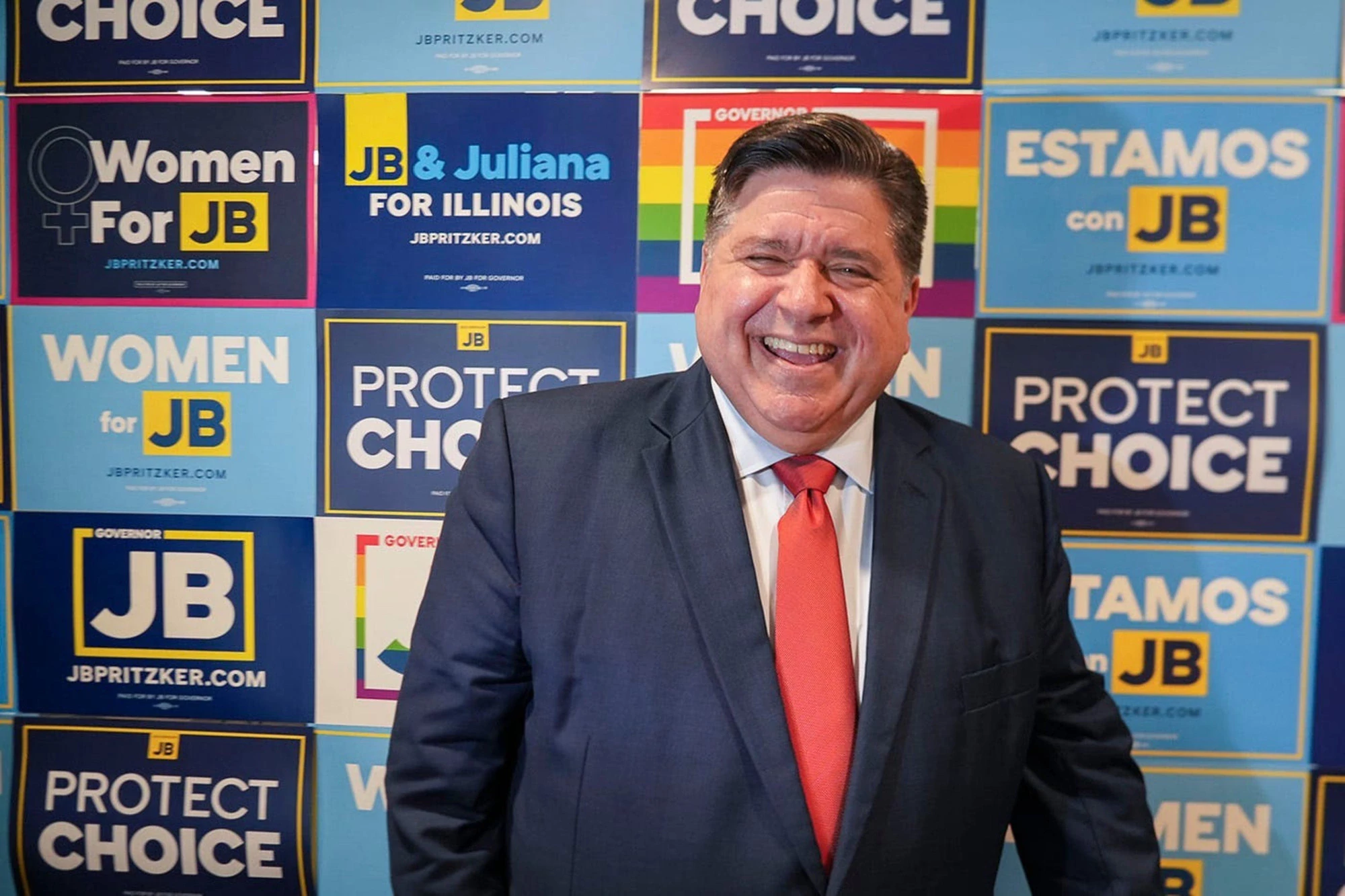
The Illinois legislature approved the state’s FY2027 budget plan, which included a new tax on sports event contracts found in prediction markets.
Illinois also outlined a licensing requirement for prediction operators, which are subordinate to the Commodity Futures Trading Commission (CFTC). This represents a sharp deviation from the standard prediction market debate with state officials, which has typically ended once the platforms have referenced their federally regulated status.
State regulation of prediction platforms
The new budget plan, Senate Bill 3019, also reshapes structures involving gambling, fantasy sports, and prediction operators.
According to the budget, “exchange wagers” will be considered as sports bets permissible by law. These wagers, defined as contracts related to sports events bought and sold on prediction markets, will include a 1.75 percent tax rate that doubles to 3.5 percent after the first five million wagers in a fiscal year.
Sports betting licensing fees for operators were also reduced from $20 million to $15 million for first-time recipients. The $250,000 application fee was not changed.
Under this framework, prediction platforms offering sports event contracts — which are largely responsible for the rapid growth of the prediction industry over the last year — would effectively be treated the same as legal sportsbooks. Doing so would erase any legal distinctions between gambling and predicting, which CFTC Chair Michael Selig recently described as “two separate things.”
Recent battles in Illinois
Illinois’ new budget plan arrives at a time when it is already dealing with several issues related to the prediction industry.
State officials sent cease-and-desist orders to Kalshi, Polymarket, crypto.com, and other operators, asserting that sports event contracts mimicked unlicensed sports betting. The CFTC in April responded with a lawsuit claiming the state overstepped its authority and could not regulate Designated Contract Markets.
This wasn’t Illinois’ first run-in with prediction operators. Coinbase filed a lawsuit against the state, along with Connecticut and Michigan, in Dec. 2025, in light of its efforts to regulate prediction markets.
What are prediction platforms saying?
Prediction platforms have continually reminded state gaming officials that their federal regulation supersedes the authority of local jurisdictions.
For the most part, that has gotten them off the hook. Platforms that have found themselves embattled by litigation were largely successful in pursuing temporary injunctions against authorities that attempted to block their market access or resolved their differences out of court.
The CFTC has also supported prediction operators in times of need, filing lawsuits against states and entities attempting to impede the progress of these outlets.
President Trump involved himself in the fight, accusing “SCUM” Democratic officials of overstepping their legal boundaries.
“It is a major industry, and we must protect it,” Trump wrote on Truth Social last week. “Mike Selig, CFTC Chairman, and respected by all, is doing a great job. Thank you Mike!”
Starting to fight back
Minnesota in April became the first state to issue an outright ban on prediction markets. Kalshi quickly filed a lawsuit in response, accusing the state of presenting an “impossible choice” that required the company to pick between violating state or federal obligations.
While prediction operators or the CFTC are almost certain to respond to Illinois’ budget plan, there are now two states that are willing to act in direct contradiction of federal law in an attempt to limit the spread of these platforms.
The Trade Handle Prediction Markets Take
As previously opined, the prediction market debate feels like a prime candidate to land in the Supreme Court one day. Illinois Gov. JB Pritzker (D) and Minnesota Gov. Tim Walz (D) are political opponents of President Trump, although a slew of Republican states have also registered opposition to the spread of prediction markets. Illinois already has steep gaming taxes for sportsbooks and casinos, and would seemingly be a prime candidate to push the prediction market battle as far as it can.