

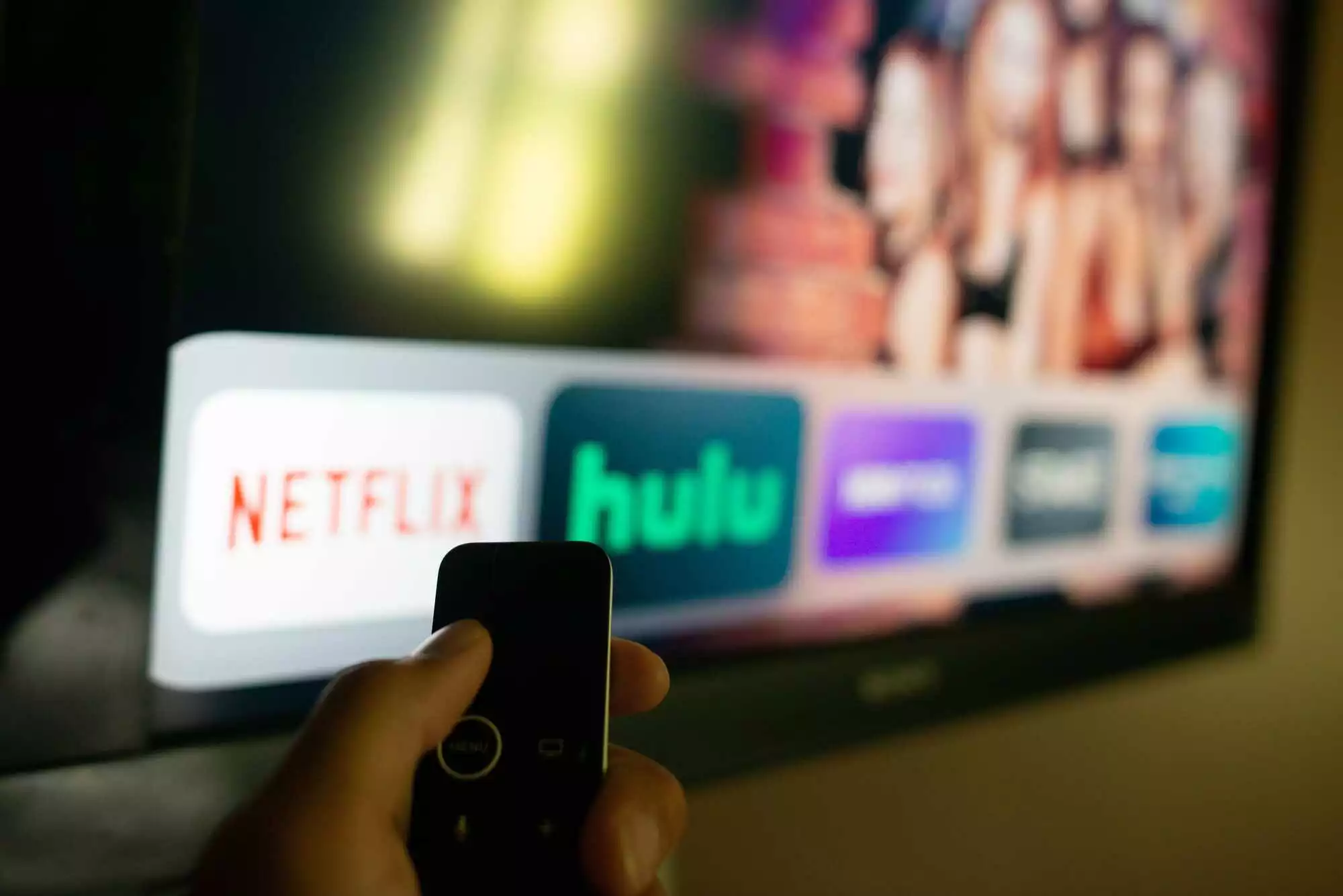
The highly-anticipated Netflix mini-documentary about prediction markets that drew the threat of a lawsuit from Kalshi was released on Sunday.
Instadocs: The Prediction Games was released to the public over the weekend. But three days before the episode could be streamed online, Netflix unveiled a trailer full of what Kalshi described as “fabricated” content, according to a letter obtained by CNN.
Kalshi sends a message
Kalshi issued a cease-and-desist to Kalshi, demanding it take down the trailer for The Prediction Games.
The footage portrayed a group of traders partying at a mansion in Las Vegas during the recently concluded FIFA World Cup final. These individuals were celebrating the winnings they obtained at various prediction market sites, including Kalshi and its top competitor, Polymarket.
Kalshi is presently banned from offering sports event contracts in Nevada due to a lawsuit that was filed by the Nevada Gaming Commission. Although the trailer did not show the traders placing their predictions in Nevada, the company’s lawyers wrote in the cease-and-desist that the trailer included “misleading statements portraying trades being made on Kalshi in violation of a court order.”
A Netflix spokesperson told CNN that the standout trade shown in the trailer was placed at Kalshi in 2025, before Nevada came after the platform’s sports prediction markets.
“Netflix upholds the highest standards of journalistic integrity in its documentary programming,” the Netflix spokesperson said in a statement after this story was originally published. “No footage in Instadocs: The Prediction Games was fabricated.”
Winible, the content creator platform which threw the party shown in the documentary, backed up these claims in a written post.
“These trades were obviously all placed outside of Nevada,” Winible wrote on X. “It is perfectly legal to track those trades from anywhere in the world.”
Kalshi challenged Netflix’s claim that the footage was entirely legitimate, because a screenshot of a trade used terms that Kalshi said it never used, including “bet slip.” Netflix did not directly address that accusation.
The response
Hovering over Instadocs: The Prediction Games loads a preview that is different from the trailer to which Kalshi objected. The preview describes “the dark side” of the prediction industry and references numerous scandals, including when a U.S. soldier won over $400,000 at Polymarket by predicting the capture of Venezuelan president Nicolás Maduro.
The controversial trailer, however, is still visible on Netflix’s platform at the time of writing.
Netflix’s assertion that all of its footage was organic implies that all of the individuals shown in the trailer were regular traders at prediction markets, whose actions and comments were unscripted.
One of the individuals shown in the trailer said they “liked betting on Kalshi.” That flies directly in the face of Kalshi and all operators of prediction markets, who claim that they offer financial tools, not gambling odds, to their customers.
Kalshi’s CEO, Tarek Mansour — along with Polymarket’s CEO, Shayne Coplan — gave an interview to Netflix for the documentary. Kalshi expressed its disappointment with the trailer and the documentary’s overall direction.
“Netflix had a chance to make a genuinely interesting documentary about prediction markets,” Kalshi’s head of marketing, Brandon Beckhardt, said in a statement. “Instead, they made a sensationalized film built on fiction.”
Prediction markets allow consumers to trade on a bevy of events, both ordinary and niche. That could be the price of Bitcoin in the next five minutes, the winner of the Super Bowl, which candidate will replace President Donald Trump in the Oval Office, and markets from numerous other industries. Users purchase “Yes” or “No” contracts associated with different outcomes and either win or lose money depending on the accuracy of their prediction.
The Trade Handle Prediction Markets Take
This seems like damage control from Kalshi to a certain extent. Prediction markets generated more than $50 billion in trading volume during the first month of the World Cup while operating in what many define as a “gray area,” which naturally makes them an easy target for criticism. Netflix is correct in saying that it did not show the trades being placed in Nevada in the trailer, although Kalshi’s claim of fabricated screenshots from its platform would be damning if proven true.