


The prediction market industry has been grabbing headlines lately. From risque Sydney Sweeney ads to regulatory debates, the industry is under fire. But here’s a new one; businesses using prediction markets to hedge real-world risk.
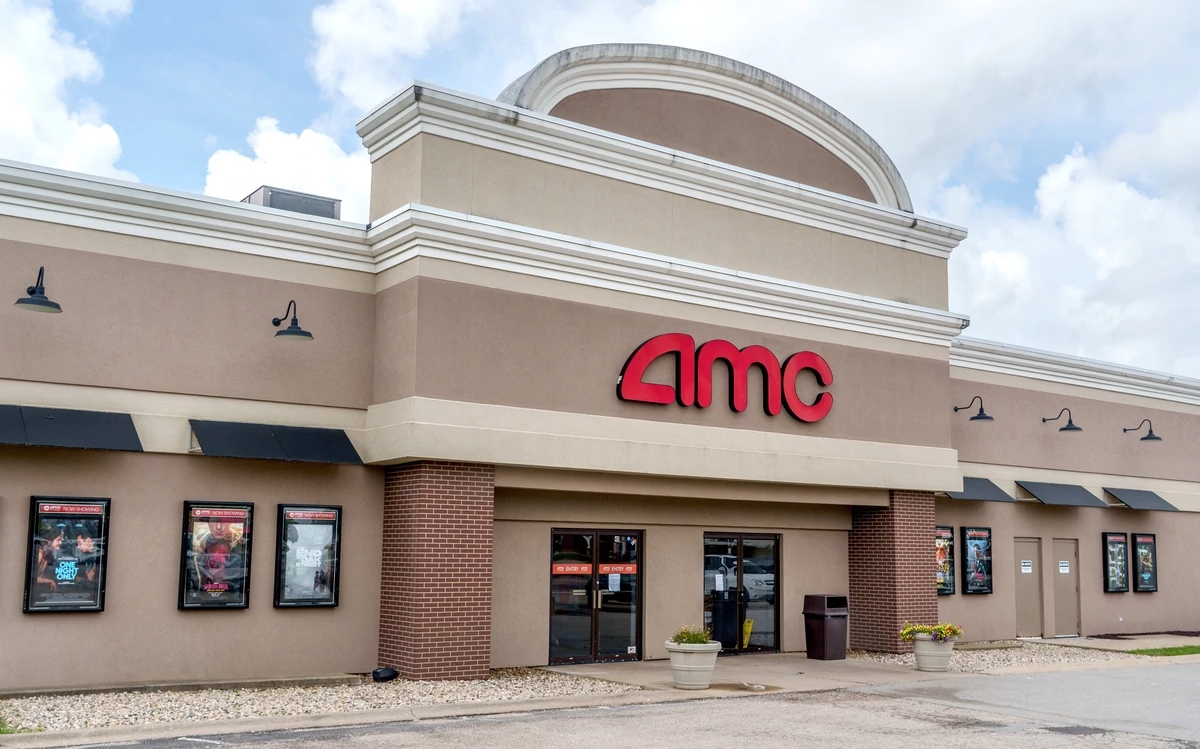
That’s precisely what was revealed recently when Brenden Theatres wagered $1,000 against its own business model. The exact wager put $1k on the line against Hollywood, betting on fewer than 60 movies to be released by studios in 2026.
Businesses Find New Ways to Hedge Real-Life Risk
Businesses can already hedge risk via traditional financial markets. However, some companies don’t have a financial instrument designated for what they do. That’s where prediction markets can bridge the gap.
Brenden Theatres isn’t the first business to try to leverage their own efforts. The play is simple; if the theater industry booms, they’re going to be successful. If the high-level studios show any signs of struggle and a trickle down effect threatens their business, this friendly-fire trade can work to protect them in the real world.
Other businesses have played this card in a constantly evolving economy. Western Grazers and Zest Tea are two other known companies that have leveraged prediction markets in an effort to protect their best interests.
Hedging Becomes More Accessible Through Prediction Markets
Corporations are starting to realize that they don’t only have to bet on themselves to prosper. In the face of an ever changing economy and with consumer interests so unreliable, they can also position themselves to profit from their industry’s struggles.
There are countless measurable events that this logic can be applied to, from tariffs and transportation costs, to commodity fees or regulatory decisions. Kalshi is one prediction market platform that is actively promoting this strategy, as the site is already offering event contracts on a litany of situations that deal with economic conditions.
The downside is evident, of course. For one, companies betting against themselves could promote some level of insider trading or general corruption. And if you’re the company trading against your own industry, it’s not necessarily a fool proof strategy that is a lock to pan out.
Hedging Doesn’t Equate to Zero Risk
As noted, prediction markets aren’t a magic “get rich” solution, and for companies looking to avert net profit loss, they’re also not an “automatic do-over” button.
Companies wagering against their own industry is potentially counter-intuitive, if not inherently unethical. However, it’s still a practical lean to protect one’s investment, with the utilization of a mild hedge in the event business doesn’t go as planned.
While a viable strategy for some, it doesn’t come without risk. Businesses can still make errors and project poorly when trading, whether it comes to improper leverage or insufficient loss coverage.
The big issue with this approach is businesses miscalculating how much money they need to risk to hedge. That also plays into the reality that in the world of betting (whether its sportsbooks or prediction markets) sometimes a hedge still falls somewhere in the middle.
When that happens, companies can be left holding the bag, stuck suffering economic consequences they were trying to avoid.
The Trade Handle Prediction Markets Take
The Brenden Theatres trade is just the tip of the iceberg. They aren’t the first company to try to utilize prediction markets to hedge potential outcomes, and they won’t be the last.
Leveraging your position via financial risk isn’t a new strategy, either. However, this news is a firm reminder that individuals and companies can use prediction market platforms to access certain levels of risk management that they simply couldn’t utilize in the past.
Prediction markets are rapidly evolving. They’ve grown exponentially and are only spreading, as they quickly morph from a forecasting device for events, to an accessible hedge tool that businesses can put to work in an effort to mitigate future decisions and economic misfortune.