


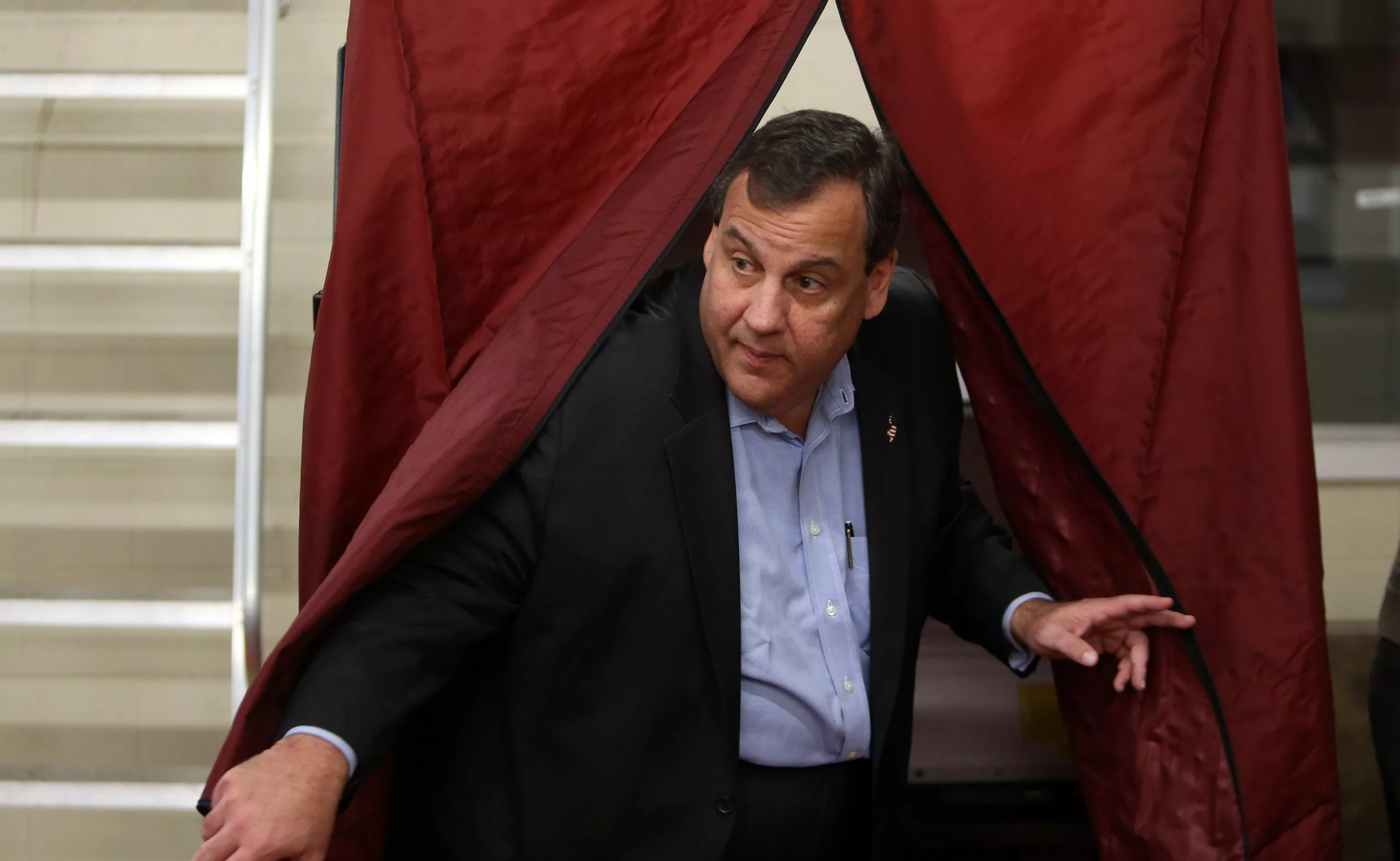
Add Chris Christie to the pile of revered public figures who think the prediction markets legal battle will inevitably lead to the United States Supreme Court.
Now a strategic advisor for the American Gaming Association, the former Governor of New Jersey has his finger on the pulse on the gaming industry. Given everything that has transpired, Christie sees the tension between U.S. states and top prediction markets like Kalshi and Polymarket requiring top-level intervention.
Why Christie Thinks a Supreme Court Ruling is Necessary
Christie highlights the basic disagreement between states and prediction market platforms; that sports event markets in particular function a lot like traditional sports betting wagers.
Prediction markets continue to cling to the logic that federally regulated event contracts are legal due to the Commodity Exchange ACT and CFTC jurisdiction.
U.S. States, meanwhile, think prediction markets function like sports betting and feel at the very least, the companies should be subjected to the same state gambling laws as online sportsbooks.
Christie also noted age variations between sports betting and event trading, as well as the fact that states miss out on tax revenue without being able to regulate prediction markets.
Depending on the state, this impasse creates friction in regards to regularity concerns, or simply whether or not prediction market contracts should be allowed at all.
A Path to the Supreme Court is Already Here
Christie’s prognosis carries weight due to his experience with the gaming industry, but he’s not the first public figure to project the Supreme Court as the final destination.
PredictIT chief strategy officer Flip Pidot also highlighted this possibility as a big risk to prediction market platforms recently.
It isn’t just two random public figures guessing how things will shake out, though. The ongoing legal battles between major prediction markets and the U.S. States is getting louder and nastier, with the latest forcing Kalshi to bow out of Washington.
The other issue is courts aren’t consistently producing one clean answer nationally. The overall inconsistency in defining the difference between prediction markets and sportsbooks (as well as each state’s official stance) makes it a murky debate that may require a Supreme Court review before it’s all said and done.
What a Supreme Court Case Means for Prediction Markets
It’s not all doom and gloom for prediction markets, as these cases getting all the way to the Supreme Court could also be seen as a positive.
The main advantage prediction markets have in their favor is federal backing. If the Supreme Court aligns with that logic, a broad ruling could give prediction markets a much cleaner path toward nationwide trading.
On the other hand, if the Supreme Court rules in favor of the states, there could be an increased state-by-state disconnect, forcing Kalshi and other major players to succumb to state regulation or even be forced to leave.
The Trade Handle Prediction Markets Take
Christie’s stance is reasonable, as he raises valid questions. On top of that, the growing disconnect between prediction markets and U.S. states may very well call for a final intervention.
A trip to the U.S. Supreme Court isn’t a guarantee, as congress could ultimately settle the debate on its own. Still, it’s also not automatically a death sentence for the prediction market industry.
Not only could the Supreme Court opt to rule in favor of prediction markets, but even if it doesn’t, regulation would still allow them to operate in any states that already allow online sports betting.