


Prediction markets have grown significantly over the last year, though the space still feels early enough that people are figuring it out in real time. New companies are popping up constantly, sports leagues are entering the conversation, regulators are circling the industry, and entirely new communities are forming around these platforms almost overnight.
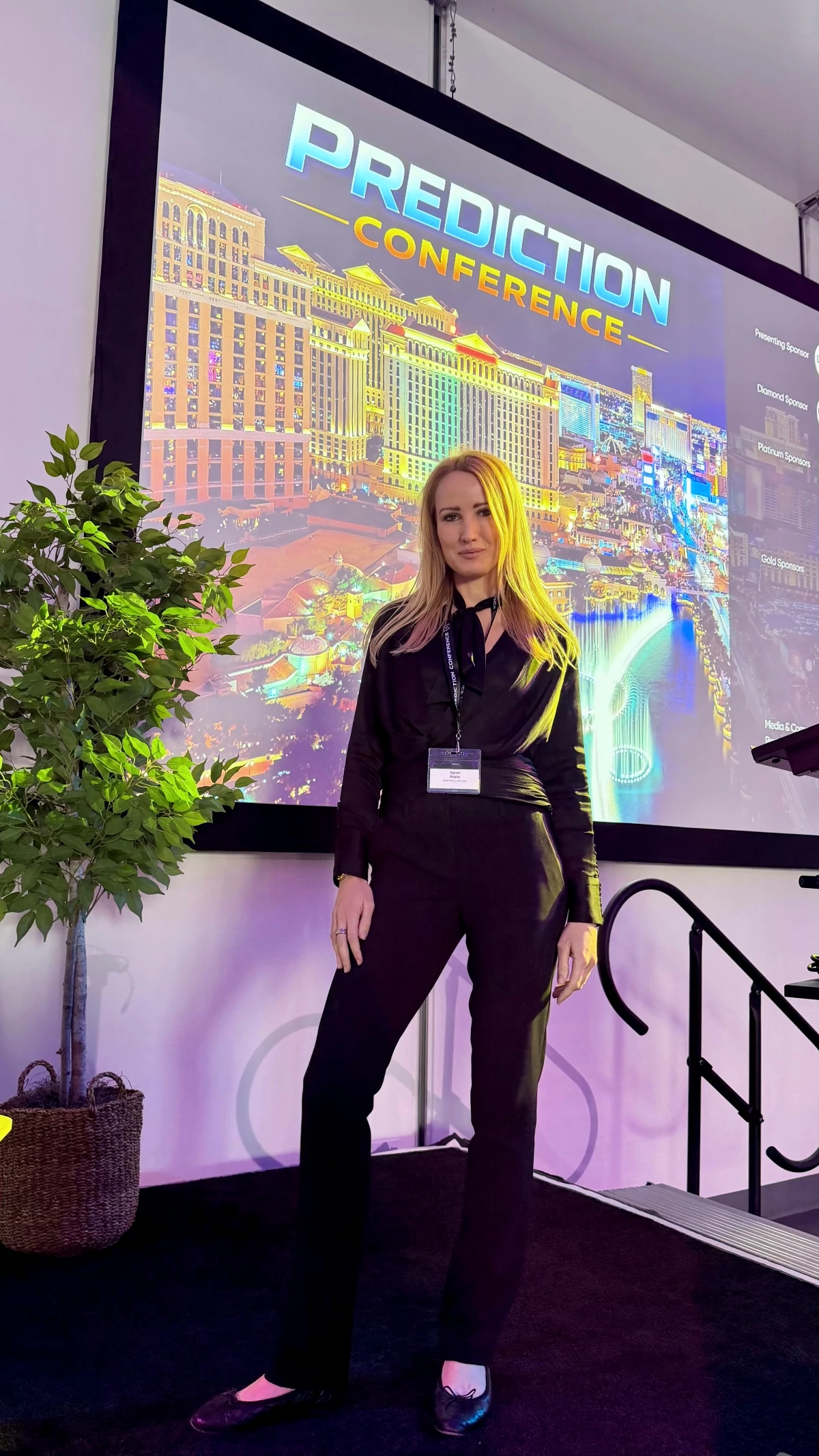
That was part of what made my conversation with Aggie Rozite so interesting.
Aggie is involved across several projects tied to prediction markets, including Muse Markets, Fifty-One Alpha, and Kalshi Girls. What stood out quickly during the interview was that she does not really view prediction markets through a traditional finance lens alone. She talked about the space more as a growing internet ecosystem built around trends, information, communities, and culture. That feels especially relevant right now, because prediction markets are clearly moving far beyond their original niche audience.
Exclusive Interview With Aggie Rozite
Aggie explained that she first got interested in prediction markets last year after spending time around the community online and gradually meeting more people involved in the industry. Like many people entering the space recently, it started mostly from curiosity. One thing that came through naturally during the interview was her enthusiasm for where prediction markets could eventually go.
She repeatedly described the industry as still open-ended, where people are experimenting with entirely different ideas rather than following a single established blueprint. She also talked about how welcoming the space felt when she first started getting involved. Founders, creators, operators, and builders were all accessible enough that conversations happened pretty naturally online or at events.
That accessibility still feels somewhat unique compared to more mature industries. Prediction markets have grown quickly, though there is still a startup-like energy around much of the ecosystem.
Muse Markets is Exploring a Very Different Side of Prediction Markets
Muse Markets was probably the most unique part of the conversation because it applies prediction-style thinking to areas most people would not immediately expect. Rather than focusing on politics or sports, Muse Markets centers around trends, products, beauty, fashion, and consumer culture. Aggie described the platform as a way for people to interact with predictive behavior around the things they already spend time discussing online every day.
Once she explained it, the concept actually made a lot of sense. People constantly speculate about which brands are rising, which styles are becoming popular, and which products are about to trend on social media. Muse Markets takes some of that natural forecasting behavior and builds an experience around it.
Aggie also pointed out that major brands already spend massive sums to predict consumer behavior and future trends. Muse Markets could eventually give companies a much more direct window into what communities are reacting to in real time. The platform is still developing, though it already feels like one of the more creative ideas currently emerging around prediction markets.
More Women are Finding Their Place in Prediction Markets
One of the more important parts of the conversation focused on women in prediction markets and how the industry is slowly becoming more balanced. Aggie spoke openly about earlier events in which there were very few women involved. She believes that has started shifting as more women enter the space through startups, media, content creation, operations, and community-focused projects.
Communities like Kalshi Girls are helping create visibility around that change while making the space feel less intimidating for newer audiences.
She also made a point that prediction markets now offer far more entry points than people probably realize. Someone does not need to view themselves as a professional trader to become part of the industry anymore. There are now creative, operational, social, and business-focused ways to participate as the ecosystem expands. That broader accessibility may become one of prediction markets' biggest long-term strengths.
Fifty-One Alpha is Focused on Building Connections Around the Industry
Community was another major theme throughout the interview. Through Fifty-One Alpha and other projects, Aggie has helped organize events, mixers, and networking opportunities tied to prediction markets. She talked about how important in-person conversations can be for newcomers entering the space. Prediction markets can still seem intimidating from the outside. Especially if someone does not come from finance, crypto, or trading backgrounds.
Events help break some of that down, as people get the chance to meet others working across the industry. Aggie also emphasized that prediction markets are no longer just about trading itself. Media, content, operations, product development, legal work, growth, events, marketing, and community management are all becoming meaningful parts of the ecosystem now. That broader mix of people is changing the industry's overall feel.
The Trade Handle Prediction Markets Take
The biggest thing this conversation highlighted is how quickly prediction markets are evolving beyond simple event contracts and trading platforms. Aggie's work around Muse Markets, Fifty-One Alpha, and community-building shows how much wider the industry is becoming. Prediction markets are increasingly connected to culture, media, consumer behavior, online communities, and real-time information, rather than existing purely as financial products. From where we sit, that shift may be one of the most important parts of the industry's future growth.