

The San Francisco Giants may have found out just how quickly a prediction market partnership can become a public relations problem.
The Giants recently became one of five MLB teams to partner with Kalshi, joining the Los Angeles Dodgers, San Diego Padres, Atlanta Braves and Boston Red Sox. While the agreement was supposed to expand Kalshi’s presence in baseball, one social media post has already created plenty of controversy.
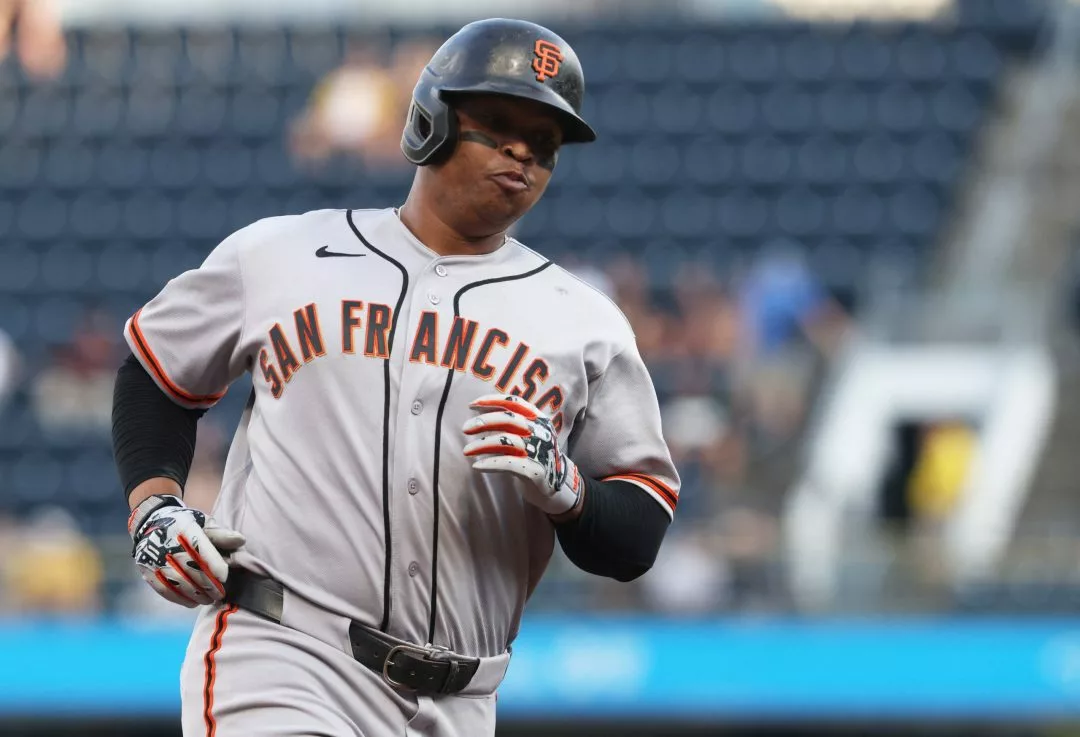
After the Giants defeated the Pittsburgh Pirates in extra innings, the team’s official X account posted a highlight from the decisive rally. Instead of simply celebrating the victory, the post focused on how the sequence changed San Francisco’s win probability before directing the team’s roughly 1.6 million followers toward the Kalshi app.
There is a difference between forcing ads and allowing fans to consume ads, and the Giants crossed the line according to many people.
When A Highlight Becomes An Advertisement
The Giants’ post essentially turned a normal baseball highlight into an ad for prediction markets.
The Giants pointed out that their win probability jumped from 49% to 77% following a bunt, an intentional walk and an RBI double by Bryce Eldridge. The post then encouraged followers to download Kalshi and “trade what’s next.”
The direct callout after the win probability is what caused issues. There is nothing particularly unusual about professional sports teams partnering with gambling or prediction market companies anymore. The sports industry has spent years integrating betting into broadcasts, stadiums, websites and social media.
The issue here is that the Giants were not simply promoting Kalshi as a corporate partner. They were using a moment from their own game to encourage fans to take action on what would happen next. That is a much more direct connection between the team and trading activity.
Kalshi Under Fire
The backlash also comes at a fascinating moment for Kalshi. The company has aggressively pushed into sports this year, signing partnerships with major teams and becoming increasingly visible across the sports ecosystem. Kalshi maintains that its contracts are financial products traded on a federally regulated exchange, while critics and several state regulators argue that sports contracts offered by prediction markets function much like traditional sports betting.
That debate is becoming increasingly important as companies like Kalshi attempt to establish themselves inside professional sports. This will most likely end up in the Supreme Court.
The Giants deal itself includes a variety of marketing opportunities, including signage, radio promotions and activations. This is the same across multiple teams. However, the social media post demonstrated how quickly that partnership can become controversial if not used correctly.
The Trade Handle Prediction Markets Take
The criticism should not necessarily be interpreted as an indictment of the entire Giants Kalshi partnership. Prediction markets are becoming a massive part of the sports business, and teams have obvious financial incentives to participate. The Giants are hardly alone in seeing value in the industry.
Despite widespread criticism, other teams will likely use this type of advertisement in the future across social media. Nevertheless, it doesn’t help Kalshi’s cause as they’re battling for their rights in the gaming and trading space.
There is a difference between putting a Kalshi logo inside a stadium and telling fans to download the app immediately after a game-changing play.
This is what Kalshi will continue working through as their partnerships evolve with more professional teams. Ultimately, if prediction markets are considered sports betting, their regulations will become much tighter.