


Prediction markets continue to face regulatory pressure, especially from state governments. Over the past week, both state leaders and federal lawmakers have taken steps to limit how public officials can use these platforms. If you have been watching the space, it feels like things just moved from conversation to action pretty quickly.
From my perspective, this was always a matter of time. Once people with access to sensitive information start interacting with markets tied to real-world events, the issue is forced. You cannot leave that kind of gray area open for long. Overall, this is a strong step in the right direction for consumer trust.
States Move First With Clear Restrictions
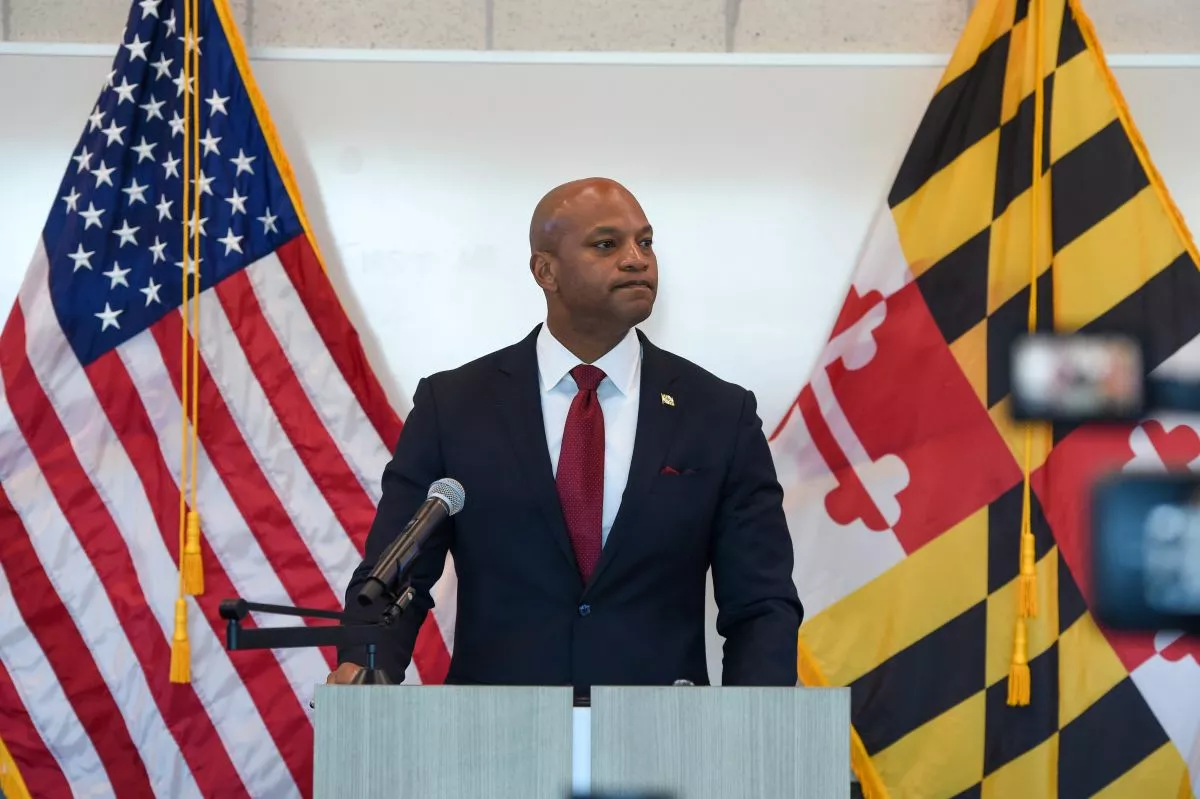
Maryland made one of the more direct moves. Governor Wes Moore signed an executive order that bars state employees from using nonpublic information to profit from prediction markets. The message behind it is simple. If you learn something through your job that the public does not know yet, you cannot use it to your advantage.
New York followed a similar path by tightening its ethics guidelines. Both states are trying to eliminate not just misconduct, but the perception of it. That might sound like a small distinction, though it is a big deal when public trust is involved. There is already talk of other states considering similar policies. This could turn into a broader trend sooner rather than later.
Washington Steps in as Well
It did not take long for things to escalate at the federal level. The Senate approved a resolution that blocks senators and their staff from using prediction markets entirely. This came on the heels of several high-profile cases that raised questions about insider activity. The reasoning is not complicated.
Lawmakers and staff often have access to nonpublic information, and in some cases, they can directly influence outcomes. That combination makes participation in these markets a problem. This also changes the framing of the debate. It is no longer just about the platforms themselves. It is about whether certain groups should be involved at all.
Real Incidents are Fueling the Push
A lot of this momentum is tied to recent headlines. The case involving a U.S. soldier accused of using classified information to profit from a market tied to a military operation brought the issue front and center. Stories like that tend to force action faster than anything else.
There are also concerns coming from the healthcare side. Some clinicians say the patterns they are seeing with certain users look very similar to what they have seen in other high-risk environments. Even though the structure of prediction markets differs, user behavior can follow familiar cycles. When those two things come together, policy tends to move quickly.
The Bigger Picture is Still Unclear
Even with all these new rules, the core debate remains unresolved. Platforms continue to argue they should be treated as financial exchanges under federal oversight. States and some lawmakers are not fully on board with that idea.
That leaves the industry in a bit of a split. You have federal agencies, state governments, and the platforms themselves all approaching this from different angles. That usually leads to a messy middle period before anything gets settled. If you are following this closely, it means the landscape could keep shifting for a while.
The Trade Handle Prediction Markets Take
This feels like a moment where the industry is being forced to grow up a bit. The focus is starting to move away from just expansion and toward accountability. Putting limits on insider activity, especially for government employees, is a logical and smart step.
It sets a baseline for how these markets are supposed to operate. That said, it is only part of the solution. The bigger takeaway is pretty straightforward. Prediction markets are entering a phase in which regulation will play a major role in shaping their future. How platforms and policymakers handle that balance will matter more than anything else moving forward.