


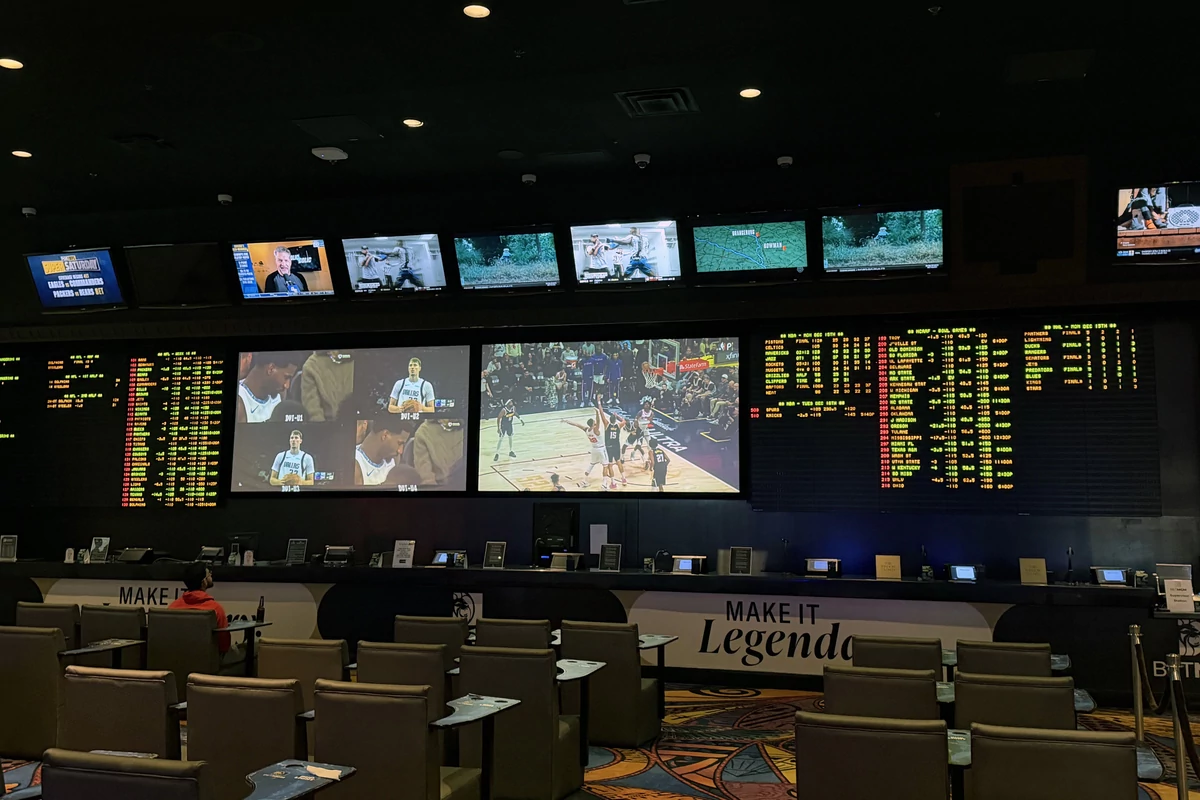
If you've spent much time watching sports, you've probably had a moment when you knew something was about to change. Maybe a basketball team was starting to find its rhythm, or an NFL offense looked much better than its record suggested. Prediction markets let you put those observations to work, even if you don't want to hold a contract until the game ends.
That's where having a sports prediction market trading strategy comes in. Instead of buying contracts whenever you feel confident about a team, you develop a plan for deciding when to enter, when to sell, and how much money you're comfortable risking. You won't get every trade right, but at least you'll have a reason behind your decisions.
You Don't Always Need to Pick the Winner
Here's something that takes a little getting used to when you first start trading sports contracts. You can make money on a team that eventually loses, and you can lose money on a team that ends up winning. It all depends on the price you pay and what you do with the contract afterward. Let's say you're watching an NBA matchup and believe the underdog has a better chance than the market suggests. Its Yes contracts are trading at 40 cents, so you purchase 100 for $40 before fees. By halftime, the team has built a decent lead, and those same contracts are trading at 65 cents.
You could sell your 100 contracts for $65, collecting a $25 gross profit before trading costs. Maybe the team hangs on and wins, or perhaps it blows the lead spectacularly. Either way, you've already closed the trade. Of course, the reverse can happen just as easily. Your contract might fall from 40 cents to 20 cents, leaving you with a difficult decision. Trading gives you flexibility, but it certainly doesn't remove the possibility of losing money.
Stick With Sports You Actually Know
You don't need an opinion on every NFL game, NBA matchup, or college basketball tournament to find opportunities. In fact, trying to follow everything can make it harder to spot what's genuinely worth trading. One person can only keep up with so much information. If you watch college basketball four nights a week, start there. You probably know which teams struggle away from home, which coaches make good halftime adjustments, and which players are dealing with injuries. That knowledge might help you spot something the current market price doesn't fully reflect.
Someone who follows the NFL closely might prefer researching contracts throughout the week. An NBA fan might enjoy tracking how prices move during games. The important thing is choosing an approach that fits what you already know and how much time you want to spend trading. Start small rather than trying to become an expert in every market overnight. Following a handful of teams or a few games each week lets you build a routine without getting overwhelmed.
A Good Team isn't Always a Good Trade
This is probably one of the easiest mistakes to make. You identify a team you think will win, find its contract, and buy it immediately. The problem is that being right about the winner doesn't automatically mean you purchased the contract at a good price. Imagine an NFL team's Yes contract is trading at 35 cents. That suggests a market-implied probability of roughly 35%, before considering fees and other market conditions. After reviewing the matchup, you believe the team's actual chance of winning is closer to 45%.
That difference could represent an opportunity, assuming your assessment is accurate. Maybe the market hasn't fully accounted for an injury, or perhaps a team's recent losses have made people overly pessimistic. Before making a trade, consider a few questions:
- What's the current contract price? Know exactly what you're paying.
- What probability would you assign? Make your own assessment rather than relying entirely on the market.
- Why is your estimate different? Look for specific information supporting your opinion.
- What might move the price? Think about injuries, lineup announcements, and upcoming developments.
- When would you sell? Have a potential exit price in mind.
- How much will fees cost? Make sure the potential return justifies the expense.
Sometimes you'll go through that entire process and decide the contract isn't worth buying. That's a perfectly reasonable outcome. You don't need to manufacture a trading opportunity just because there's a game on television.
Don't Chase a Price That's Already Gone
We've all watched a team start playing well and thought about how obvious the outcome suddenly looks. Unfortunately, the market usually notices those developments too. By the time you decide to purchase a contract, much of the potential value might already be gone. Consider two traders who both believe the same basketball team will win. One purchases Yes contracts at 40 cents, while the other waits until they're trading at 60 cents.
If the team wins and the contracts settle at $1, the first trader earns 60 cents per contract before fees, while the second earns 40 cents. That's a pretty significant difference for two people who reached the same conclusion. The price you pay determines how much upside remains and how much money you have at risk.
Figure Out Your Exit Before Things Get Exciting
Buying a contract is usually the easy part. Deciding what to do when its price starts moving can be considerably harder, especially when you're watching the game unfold in real time. That's why it helps to establish a plan before entering a position. Suppose you purchase a contract at 40 cents because you believe the price could climb to 60 cents. If it reaches your target, you might sell and take the 20-cent gross gain per contract.
You could also decide to hold longer, but that should be a deliberate choice rather than an emotional reaction. The same thinking applies when a trade moves against you. Maybe an injury changes your assessment, or perhaps the matchup simply isn't developing the way you expected. At that point, ask whether the original reason for entering the trade still makes sense.
Keep One Bad Game From Becoming a Bad Month
Nobody gets every prediction right. A quarterback can leave with an injury, a basketball team can blow a 20-point lead, and a heavy favorite can have an awful afternoon. Those things happen regardless of how much research you've done. The trick is making sure one unexpected result doesn't wipe out a large portion of your trading funds. That's where position sizing comes into play.
Instead of putting a substantial amount into every contract you like, establish a maximum amount you're comfortable risking on an individual trade. For example, someone with a $1,000 trading balance might choose to limit each position to $20, or 2% of that balance. That's only an illustration, not a universal rule. The amount you risk should reflect your finances, experience, and ability to absorb a loss.
Check Whether Anyone is Actually Trading
Nothing is more frustrating than watching a contract rise in value, only to discover that selling it isn't nearly as easy as you expected. Just because a market shows a certain price doesn't mean someone is ready to buy your entire position at that price. This is why liquidity deserves attention before you buy. Look at the order book, especially the highest price buyers are offering and the lowest price sellers are accepting. The difference between those prices is called the bid-ask spread.
A large spread can make trading more expensive, especially if you plan to enter and exit positions frequently. Imagine buyers are offering 55 cents while sellers want 65 cents. If you purchase at 65 cents and immediately sell at 55 cents, you've lost 10 cents per contract before fees. Your position would need a meaningful price movement just to overcome that gap.
Write Down What You're Doing
Keeping a trading journal probably sounds less exciting than finding your next opportunity. Still, it's one of the easiest ways to figure out whether your approach is working. Otherwise, you're relying on memory, which has a funny way of favoring the trades that went well. You don't need expensive software to get started. A simple spreadsheet with the contract name, entry price, exit price, quantity, fees, and your reasoning is enough.
You can also note what happened during the event and whether you followed your original plan. After a few weeks, look through your results. Maybe you're doing better with pregame trades than live positions, or perhaps you're consistently buying contracts after the biggest price movement has already happened. You might even discover that fees are taking a bigger bite out of your returns than you realized.
You Don't Have to Trade Every Game
One of the more underrated skills in prediction markets is knowing when to leave a contract alone. Some days, nothing looks especially attractive, even if your favorite teams are playing. That's not a reason to lower your standards. Live markets can be particularly tempting because prices move quickly. A big touchdown, a sudden comeback, or a controversial call can make you feel like you need to act immediately.
But buying after everyone else has reacted can leave you paying a price that no longer offers much value. If you can't explain why you're entering a position, there's nothing wrong with sitting it out. The market will still be there tomorrow, and another opportunity will eventually come along.
The Trade Handle Prediction Markets Take
No magic formula makes money in sports prediction markets. You can spend hours researching a matchup, spot a favorable price, and still end up losing. That's simply part of trading uncertain outcomes. What we like about prediction markets is that they give you more ways to approach sports beyond predicting the final winner. You can buy contracts you believe are undervalued, sell when prices move in your favor, and adjust positions when new information changes your outlook.
None of those decisions guarantees a profit, but they give you more control over how you participate. For anyone getting started, we'd suggest keeping things manageable. Focus on sports you understand, learn how contract prices move, watch liquidity, and track what works. There's no reason to rush into larger positions before you've developed a process you're comfortable following.