


If you're wondering who regulates prediction markets in the US, the answer isn't quite as straightforward as it should be. The Commodity Futures Trading Commission (CFTC) oversees federally registered exchanges like Kalshi, but that hasn't stopped individual states from challenging the contracts those exchanges offer.
The disagreement has become particularly heated over sports contracts. States say they can regulate sports-related activity within their borders, while Kalshi maintains its contracts fall under federal financial laws. Both sides have taken their arguments to court, and so far, the courts haven't reached a consistent answer.
The CFTC is the Main Federal Regulator
The CFTC has been around since 1974, long before most people had ever heard of prediction markets. The agency oversees derivatives trading in the US, including futures, options, swaps, and certain event contracts.
Its involvement makes more sense when you understand how prediction markets work. Instead of purchasing shares in a company, traders buy contracts tied to whether something will happen. Depending on the product, those contracts can qualify as financial derivatives under federal law.
That puts federally registered prediction market exchanges within the CFTC's jurisdiction.
The agency has several responsibilities, including:
- Overseeing registered exchanges and their operations.
- Investigating potential fraud and market manipulation.
- Enforcing federal trading and compliance requirements.
- Making sure exchanges follow applicable contract-listing rules.
- Enforcing customer protections required under federal law.
One detail that sometimes gets lost in the discussion is that the CFTC doesn't approve every contract before it becomes available. Exchanges have their own compliance obligations and can list products through procedures established under federal law.
Why Kalshi is Regulated Differently Than Other Platforms
Kalshi operates as what's called a Designated Contract Market, or DCM. This federal registration allows an exchange to offer qualifying derivatives contracts under CFTC oversight. Getting registered is only part of the process. A DCM must maintain trading rules, monitor its markets, investigate potential violations, and have procedures for resolving disputes.
Those requirements continue for as long as the exchange operates. But there's a limit to what federal registration establishes. Being a DCM doesn't give a company permission to offer any contract it can dream up. Individual products still have to comply with the law, which is where some of Kalshi's legal troubles begin.
Sports Contracts are Where Things Get Messy
For years, states have controlled how sports wagering operates within their borders. They issue licenses, establish age requirements, and decide which companies can legally offer those services. Then federally regulated prediction markets began offering contracts on sporting events.
From the states' perspective, those contracts look like products they already regulate. Several state officials argue that listing a sports contract on a federally registered exchange shouldn't automatically take it outside their authority.
Kalshi disagrees.
The company maintains that its event contracts are derivatives covered by the Commodity Exchange Act. Because federal law gives the CFTC exclusive jurisdiction over qualifying transactions, Kalshi argues that states generally cannot apply conflicting sports regulations to them.
The Federal Law Behind the Disagreement
At the center of the argument is the Commodity Exchange Act, commonly called the CEA. The law gives the CFTC much of its authority over derivatives markets. It also provides the framework that allows qualifying event contracts to trade on federally regulated exchanges. But the CEA does more than decide which agency oversees a product.
The law includes provisions dealing with certain categories of event contracts, including activities that can raise public-interest concerns. That means a contract could fall within federal derivatives law without necessarily being permitted for trading. This distinction matters in the Kalshi disputes.
Federal Judges Haven't Agreed on an Answer
If the legal framework sounds unsettled, that's because it is. Kalshi has challenged state restrictions in multiple courts, and the outcomes haven't all gone its way. The Third Circuit Court of Appeals ruled for Kalshi in its dispute with New Jersey. The decision supported the company's position that federal law prevents the state from enforcing its sports-related restrictions against the contracts involved.
The Sixth Circuit reached a different conclusion in disputes involving Ohio and Tennessee. The Ninth Circuit has also issued decisions supporting state regulatory authority in related litigation. So a federally registered exchange can find itself on solid legal ground in one jurisdiction while facing a different interpretation elsewhere.
That's hardly ideal for an industry built around offering contracts to customers across the country. It also helps explain why state officials and professional sports organizations have become increasingly involved.
The Supreme Court May Eventually Have to Weigh in
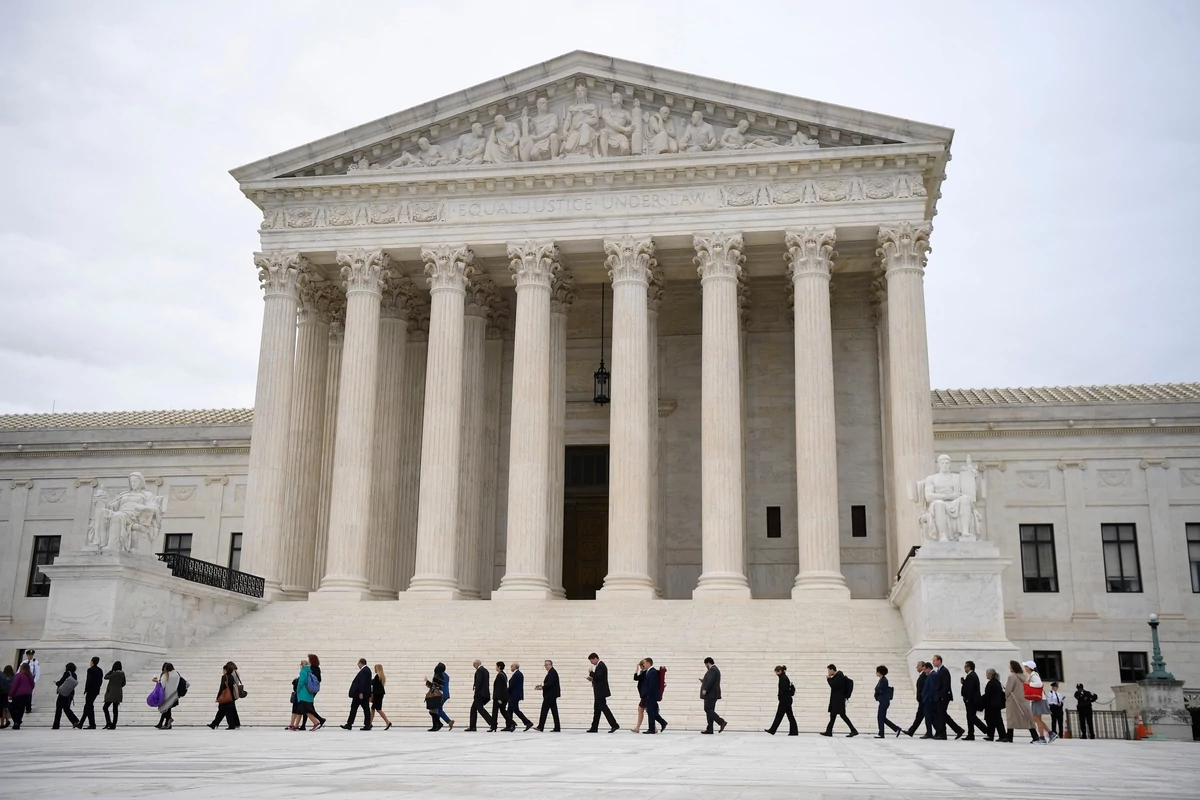
New Jersey has already asked the Supreme Court to review its case against Kalshi. 39 state attorneys general and a Native American tribe have supported the request. The NFL has also filed a brief expressing concerns about sports-event contracts and the role of state regulators.
As of October 2026, the Supreme Court hasn't agreed to hear the case. If the justices take it up, they could provide some much-needed direction on where federal authority ends and state authority begins. But even a Supreme Court ruling wouldn't necessarily answer every question about which event contracts exchanges can offer.
What You Should Know Before Trading
You probably aren't checking federal court filings every time you open a prediction market app. Most traders just want to know what contracts are available, how they work, and whether the platform is legitimate. Still, knowing who's regulating the exchange matters.
A CFTC-regulated platform must meet federal requirements for its operations and trading activity. Other websites offering prediction markets might operate under different arrangements, particularly those based outside the US.
Before using any platform, check whether it's federally registered, how contracts are settled, and what fees you'll pay. Also understand how disputes are handled and whether the contracts you want are available in your state.
Frequently Asked Questions
Are prediction markets legal in the US?
Yes, prediction markets can legally operate in the United States under federal law. That doesn't mean every contract is permitted, though. Sports-related contracts remain the subject of ongoing disputes between exchanges and state regulators.
Does the CFTC regulate every prediction market?
No. The CFTC oversees qualifying derivatives markets and registered exchanges, including Kalshi. Some platforms operate under different legal structures or outside the United States, so their regulatory status can differ.
Why are states challenging Kalshi?
Several states believe Kalshi's sports contracts should be subject to their existing sports regulations. Kalshi argues that those contracts are federally regulated derivatives and that federal law generally prevents states from imposing conflicting requirements.
Is Kalshi a federally regulated exchange?
Yes. Kalshi operates as a CFTC-regulated Designated Contract Market. It must comply with federal exchange requirements, although its registration hasn't prevented legal challenges over certain contracts.
Will the Supreme Court settle prediction market regulation?
It might resolve some of the biggest questions. New Jersey has asked the Court to review its dispute with Kalshi, but as of October 2026, the justices haven't agreed to hear the case. Even if they do, other regulatory questions could remain unresolved.