


Prediction markets are becoming a much bigger issue inside Congress itself. The Senate has already moved to restrict members and staff from using prediction market platforms, though the House still has no formal ban in place. That could be changing soon as lawmakers from both parties start pushing harder for new restrictions tied to insider trading concerns.
The entire conversation around prediction markets feels very different from what it did even six months ago. These platforms used to sit mostly inside finance circles, crypto communities, and election forecasting discussions. Now, lawmakers are openly debating whether people working inside government should be allowed to participate at all.
Bipartisan Support Around Restrictions is Growing
One thing that stands out here is the growing agreement across party lines. Rep. Ritchie Torres called the current setup “indefensible” while introducing legislation to prevent campaign staffers from trading on markets tied to their own candidates using nonpublic information. Rep. Ashley Hinson also backed tighter restrictions, arguing that lawmakers should not profit from inside knowledge connected to government work.
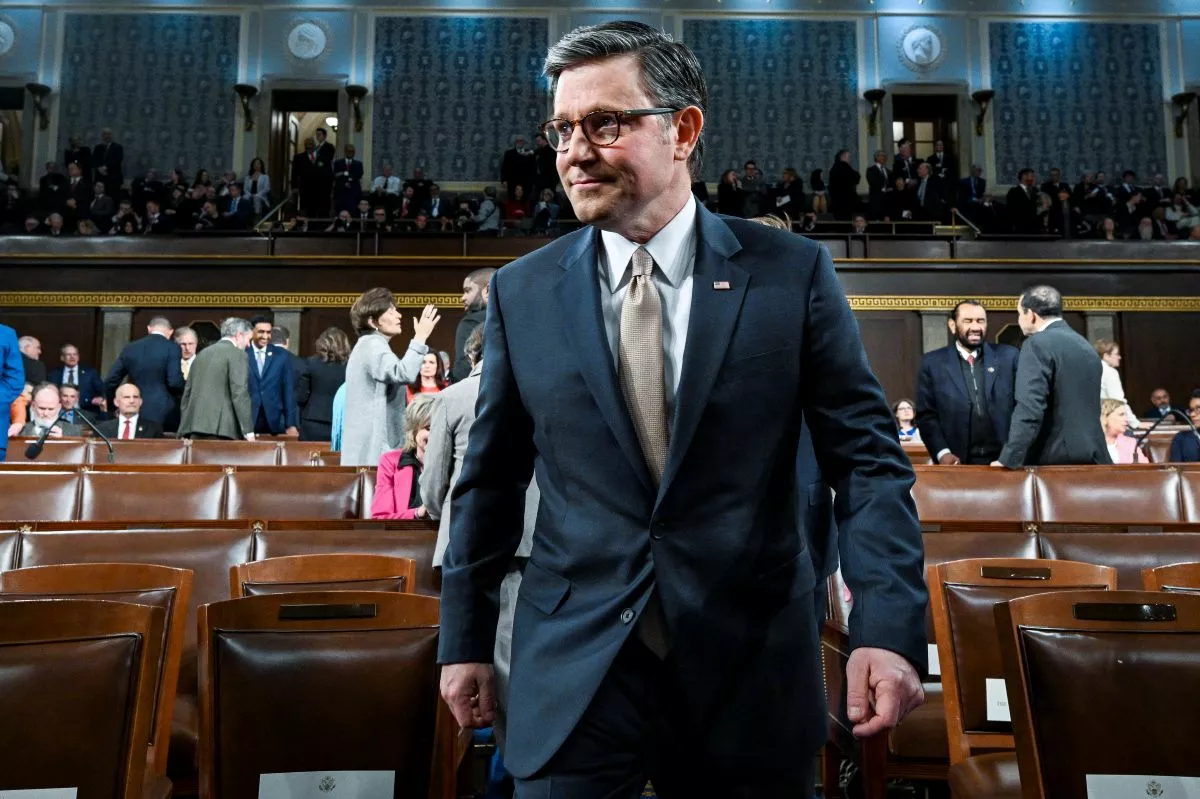
Speaker Mike Johnson reportedly said he supports the idea of a House ban as well, though leadership still seems to be figuring out how quickly something could actually move forward. That kind of bipartisan alignment is pretty unusual in the current debate over prediction markets. Most conversations around the industry quickly turn into fights over regulation, states’ rights, or whether event contracts should fall under federal financial oversight. Insider trading concerns seem to be one of the few issues creating broad agreement in Washington.
Insider Trading Cases Keep Pulling More Attention
A big reason this conversation keeps gaining momentum is that headlines about prediction markets have become much harder for lawmakers to ignore. Federal prosecutors recently charged a U.S. soldier accused of using classified military information tied to the removal of Venezuelan President Nicolás Maduro to make more than $400,000 through prediction market activity.
Separate reporting also described campaign staffers allegedly using unreleased polling data tied to their own candidates. That creates a pretty uncomfortable situation once you step back and think about it. Markets connected to elections, military operations, legislation, or government policy naturally create opportunities for people with insider access to gain an advantage over the public.
Current House ethics rules do not specifically address prediction market contracts either. Members and staff already have disclosure requirements for stocks, crypto, and other financial assets, though event contracts still fall into a gray area. Former ethics officials have already started describing that gap as a serious blind spot.
Regulators and Congress are Starting to Collide on This
At the same time, federal oversight of prediction markets continues to expand. The Commodity Futures Trading Commission already prohibits insider trading under existing commodities law. However, regulators increasingly appear focused on whether the industry eventually needs additional rules tailored specifically to event contracts. The White House reportedly warned staff earlier this year about participating in prediction markets as well.
Meanwhile, the House Oversight Committee has now started reviewing how these platforms operate. Chairman James Comer even suggested that subpoenas could eventually be issued if exchanges refuse to comply with information requests. That alone shows how much the environment around prediction markets has shifted. Congress, regulators, ethics officials, and federal agencies are all suddenly looking at the same category at the same time.
The Trade Handle Prediction Markets Take
The biggest shift here is that prediction markets are no longer treated as a niche internet product outside mainstream politics. Congress is now openly debating whether lawmakers, staffers, and campaign insiders should be banned from participating entirely.
We also think this shows how prediction markets are operating in a much more serious political environment as they continue to grow. Once markets start touching elections, military operations, legislation, and government decisions, insider information concerns become almost impossible for lawmakers to ignore.