

The 2026 FIFA World Cup wasn't just a massive win for soccer. It also became the biggest customer acquisition event in Kalshi's history and many other prediction markets capitalized on the trend.
The prediction market platform announced that it added approximately 3 million new users during the tournament, highlighting how well their sponsorship of the event worked.
Many soccer fans discovered prediction markets for the first time, creating one of the fastest periods of growth the industry has ever seen. This coincided with more money being traded.
Kalshi’s Staggering Growth
According to the company, contracts tied to the World Cup champion generated more than $1.2 billion in trading volume, making it the largest individual market Kalshi has ever offered.
For Kalshi, the tournament represented much more than a successful sports market.
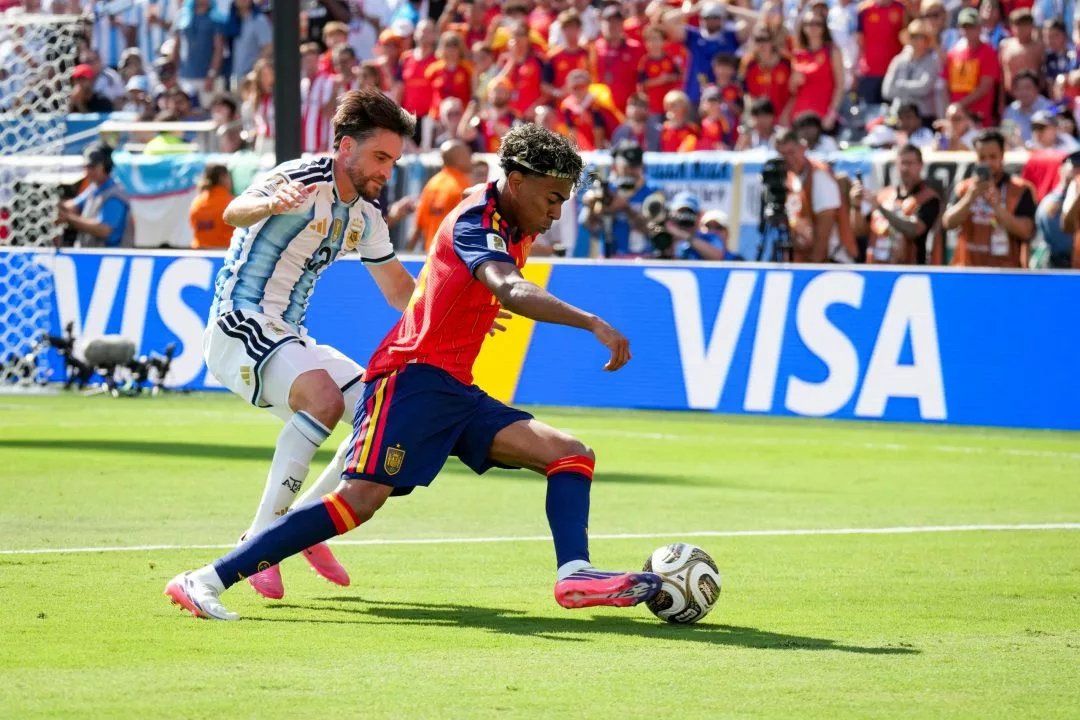
The company viewed the World Cup as an opportunity to introduce prediction markets to a global audience that may have never considered trading on real world events before. If you looked behind the goals, Kalshi’s ads were blasted everywhere.
Soccer's worldwide popularity gave Kalshi access to millions of potential customers across dozens of countries, making the tournament one of the most valuable marketing opportunities on the calendar.
Kalshi significantly increased its marketing efforts throughout the competition, and increased the gap between them and Polymarket.
The company partnered with ADI Predictstreet, the World Cup's official prediction market sponsor, allowing Kalshi branding to appear inside stadiums during matches.
It also expanded its digital presence through a partnership with OpenAI, which displayed Kalshi's live contract odds in ChatGPT search results related to World Cup games. The integrations gave the company exposure at exactly the moment fans were searching for information before and during matches.
Merge this with people looking to get in on the action, it was a perfect combination for Kalshi.
Real-Time Marketing Content
Rather than relying on traditional advertising campaigns planned months in advance, the company focused on producing marketing content that reacted to the latest tournament storylines.
As breakout performances and surprising results dominated headlines, Kalshi quickly created campaigns designed to capitalize on the conversation while interest was at its peak. These were clear across social media platforms like TikTok and Instagram.
Now, Kalshi has to keep the attention they’ve gained throughout the tournament.
Major sporting events naturally produce spikes in activity, but sustaining that momentum after the final whistle is a much different task. Kalshi will likely suffer an inevitable dip, but it shouldn’t be like sportsbooks because prediction markets offer everything.
Whether it's politics, financial markets, economic reports, entertainment, or the start of another sports season, the company expects there will always be another event for users to trade.
The Trade Handle Prediction Markets Take
Just a few years ago, event contracts were viewed as a niche product with limited mainstream appeal. Today, billions of dollars are flowing through markets tied to sports, elections, inflation, corporate earnings, and countless other real world outcomes. As more consumers become familiar with the format, prediction markets continue moving closer to the financial mainstream.
Regulators, lawmakers, and traditional sportsbooks are all paying closer attention as platforms like Kalshi expand into new categories and attract larger audiences. Legal battles over sports event contracts remain ongoing in several states, but those disputes have done little to slow user adoption throughout 2026.
For Kalshi, the World Cup may ultimately be remembered for more than just record trading volume. Adding 3 million users in a matter of weeks gives the company a much larger audience heading into football season, which will be the next pillar on the sports calendar.