


Kalshi CEO Tarek Mansour has reportedly backed the idea of banning politicians from participating in political event contracts on prediction market platforms.
Mansour has been steadfast about his company’s commitment to refining regulation and protecting their product, and with the 2026 midterms in the rearview mirror, he agrees lawmakers and politicians shouldn’t trade on markets they can directly influence.
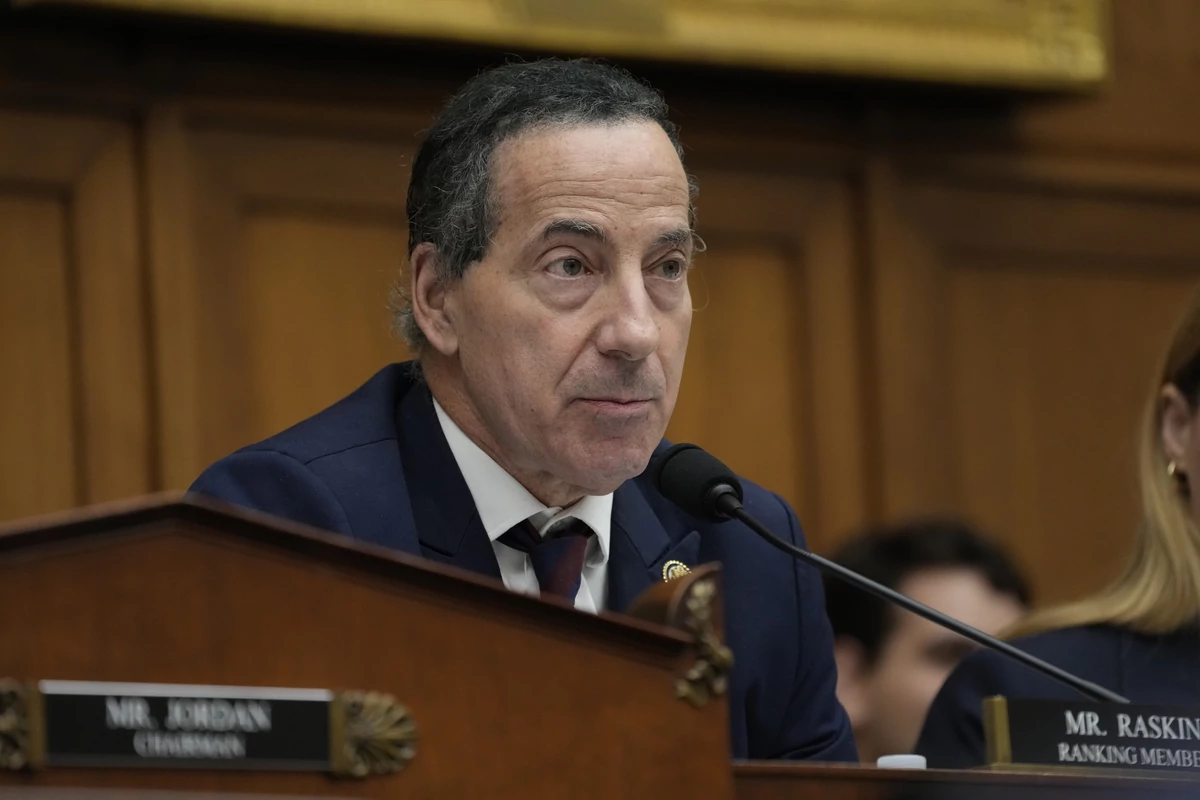
Legislation was already submitted in March of 2026 by Representative Jamie Raskin and Senator Jeff Merkley, aimed at preventing certain markets on prediction market platforms.
Kalshi Supports Banning Politicians from Certain Markets
Mansour’s comments reflect the ongoing support from Kalshi toward a fair marketplace, as well as one where integrity and product protection is maintained.
Part of that plight includes ensuring people with privileged information can’t benefit from it by swaying or profiting on prediction markets, and that should extend to politicians.
Mansour has not exhibited a desire to completely restrict politicians, lawmakers, or government officials on markets they cannot impact, however.
Lawmakers Push to Ban Certain Prediction Market Event Contracts
Kalshi’s stance doesn’t fully align with already submitted legislation, which aims to not just eliminate the ability for certain individuals to place trades, but to extract specific event contracts altogether.
Representative Jamie Raskin and Senator Jeff Merkley moved forward with the STOP Corrupt Bets Act last March, which aimed to amend the Commodity Exchange Act to keep federally registered prediction market exchanges from offering certain products.
The legislation specifically sought the prevention of elections, sports, military actions, and government decisions from being offered as event contracts on prediction market sites.
The focus was on U.S.-regulated entities such as Kalshi and Polymarket, while the bill has yet to officially be voted on.
Crack Down on Corruption, Not Prediction Market Products
These are two very different debates, with lawmakers suggesting an easy fix is to do a rug pull on questionable event contract markets. Kalshi and other prediction market platforms disagree, saying they can be managed with harsher regulation.
Some middle ground ultimately will have to exist, with both sides agreeing to some markets being pulled, and stiffer regulation overall.
The prohibition of government officials taking part in prediction market contracts will likely be a key component if political contracts remain.
At a bare minimum, prediction market platforms may have to underdog more strenuous safeguards. Those may include strengthening identity verification tactics, beefing up general surveillance to detect suspicious trading behavior, enforcing meaningful penalties to deter bad actors, and the preservation of some event contracts above others.
The Trade Handle Prediction Markets Take
The battle for prediction markets was always going to be a bit of give and take. So far, prediction markets have been the one getting things taken away more often than not.
Sportsbooks and tribal leaders want prediction markets to play by the same rules they have to follow despite the products being different. States and lawmakers want prediction market platforms to succumb to licensing fees and taxes, too.
With the two sides far from being aligned, and the case of politicians profiting from event contract betting being the latest example, the road to unity still seems far off.
However, U.S. lawmakers have taken an extreme approach of pure eradication, while prediction markets are coming off more realistic in their open admission that certain people shouldn’t be able to participate in trading.
Kalshi still faces clear resistance, but their approach has been sensible, measured, and fair. If those holding power over the future of prediction markets acknowledge that, there should be a path to stronger regulation and clearer guardrails, rather than a simple gutting of products from prediction market platforms.