


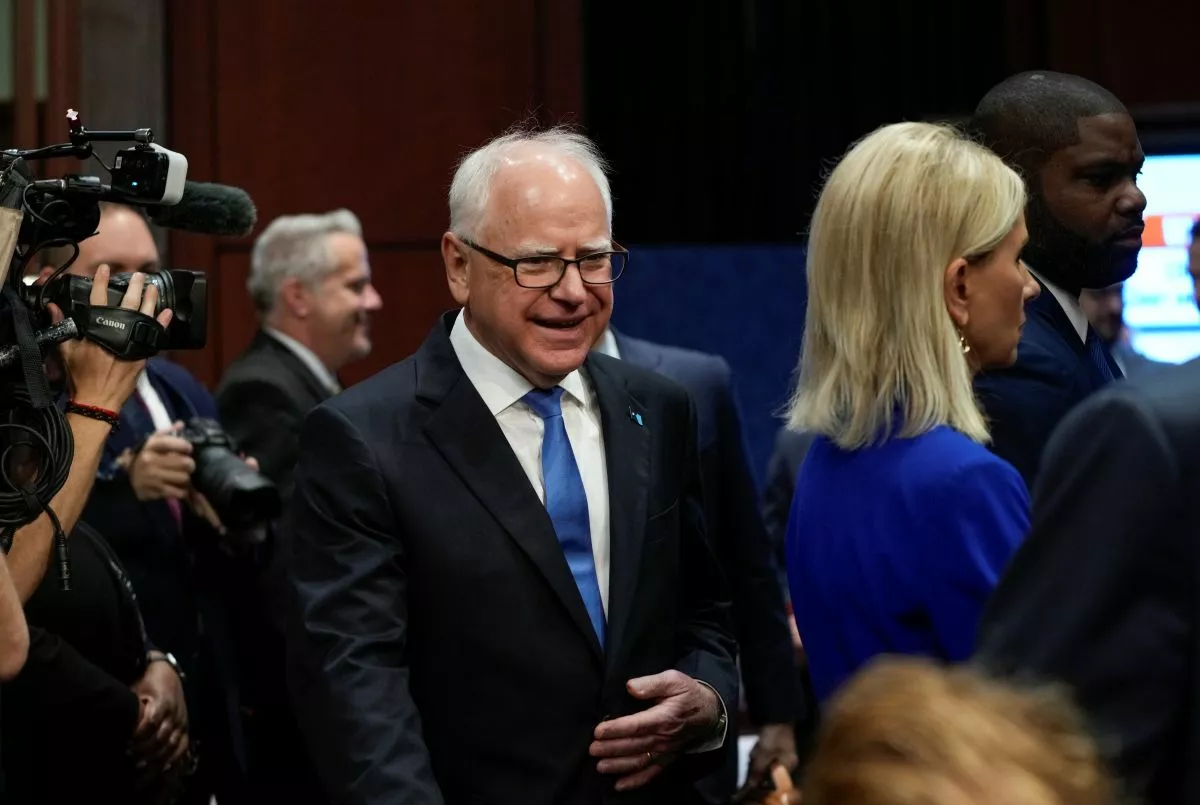
Kalshi filed a lawsuit in Minnesota in response to the state’s decision earlier this month to ban the operation and promotion of prediction platforms. Although the law signed by Gov. Tim Walz (D) doesn’t go into effect until Aug. 1, Kalshi — America’s prediction leader — is getting ahead of the punch.
Reason and response to the lawsuit
Kalshi requested that a federal U.S. District Court judge step in to strike down Minnesota’s law, known as SF 3432, which would result in establishing, maintaining, or advertising prediction outlets a felony crime.
While many states have found themselves wrapped up in litigation involving rapidly-growing prediction markets, Minnesota is the first to issue an outright ban. The potential precedent that could be set would outline a path for states against prediction platforms to follow to regain full autonomy over their local gaming and trading markets.
Kalshi’s lawsuit accuses Minnesota officials of violating the Supremacy Clause of the U.S. Constitution, which asserts that federal law preempts state law. This relates to the case since the Commodity Futures Trading Commission (CFTC) applies federal regulation to event contracts and licensed prediction operators.
"I’m very concerned about the harms of prediction markets on Minnesotans,” Minnesota Attorney General Keith Ellison said in response to the lawsuit. “Prediction markets are designed to be addictive and prey especially on young people and low-income folks. They help the ultra-rich get richer and the rest of us get poorer.” Ellison concluded by saying his office would review the lawsuit and would respond in court.
What’s the matter?
In addition to highlighting the legal line in the sand between state and federal authority, Kalshi accused Minnesota of violating the company’s First Amendment rights. The lawsuit said that state officials gave the company an “impossible choice” of following the new prohibition or risking criminal penalties.
Additionally, Kalshi referred to the CFTC’s regulations, which stipulate that platforms are “forbidden from discriminating against its customers based on geography.” Intentionally shutting down operations in Minnesota may leave Kalshi compliant with the state’s law, but it would inherently violate a standard outlined by the CFTC.
Kalshi has already won preliminary injunctions in several states, including New Jersey and Arizona. Successfully stopping a state law from going into effect would represent the biggest win of their legal career as scrutiny increases.
State battles and Trump’s support
As prediction markets have taken hold with the masses, they have become increasingly opposed by state officials in Red and Blue states. However, federal intervention has been largely party-based.
The CFTC filed lawsuits against seven states — the most recent of those against Rhode Island on Thursday — that attempted to limit the scope of prediction operators. Although 18 states actively find themselves in a legal battle with these outlets, all seven that were sued were led by Democratic Attorneys General.
President Donald Trump, whose eldest son is a strategic advisor to Kalshi, also recently argued for the CFTC’s authority to regulate prediction platforms. “It is critically important that the CFTC’s exclusive authority over Prediction Markets is maintained, and that they thrive,” Trump posted on Truth Social earlier this week. “Under my leadership, we are setting ‘rules of the road’ that are the Gold Standard for the States.”
CFTC Chair Michael Selig has also gone to bat for prediction markets, identifying them as distinctly different from sports betting platforms.
The Trade Handle Prediction Markets Take
For all of the questions about prediction platforms’ legal gray areas and similarities with sports betting, Kalshi’s legal argument holds water. Federal law was written to supersede state law, and intentionally shutting down operations would represent a violation of their CFTC obligations. That means that no matter what they choose to do in Minnesota, they would be in violation of at least one law.