


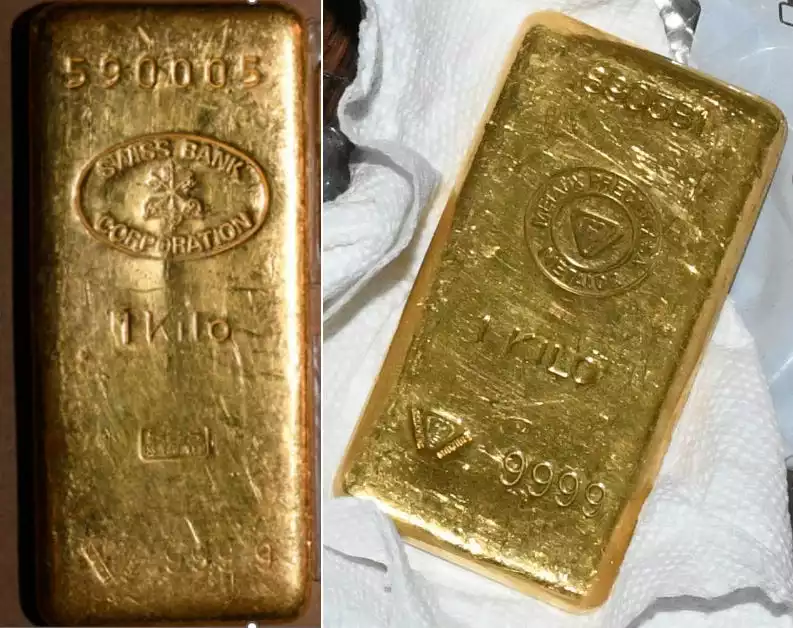
Kalshi is pushing further beyond prediction markets, and this time it is going after two of the oldest assets around. The company launched 24/7 perpetual futures tied to gold and silver Thursday after receiving approval from the Commodity Futures Trading Commission. The new products give U.S. traders access to regulated precious metals contracts that never expire.
The launch follows Kalshi's move into cryptocurrency perpetual futures earlier this year. Those contracts have already generated $44 billion in notional volume, according to the company, giving Kalshi plenty of reason to see how far it can take the format.
Gold and Silver Get the Perpetual Treatment
Traditional futures contracts come with expiration dates, meaning traders who want to maintain exposure eventually have to move into another contract. Perpetual futures, commonly called perps, remove that expiration date and use a funding mechanism designed to keep their prices tracking the underlying asset.
Kalshi's gold and silver products will trade around the clock and carry no rollover fees. You also don't need to own physical gold or silver, making the contracts another way to gain exposure to precious metals without dealing with storage or physical delivery.
The launch gives Kalshi a growing lineup that now includes:
- Cryptocurrency perpetual futures
- Gold perpetual futures
- Silver perpetual futures
- Additional proposed products tied to equities, copper and currencies
- A proposed crude oil perpetual contract
That last one could be particularly interesting if regulators eventually give it the green light.
Commodities Are Growing Quickly on Kalshi
Gold and silver weren't random choices. Udesh Jha, chief risk officer at Kalshi Klear, told CNBC that interest in precious metals helped drive the decision, pointing specifically to gold and silver's connection to inflation.
Kalshi has already seen that interest show up in its commodity event contracts. Trading volume across commodity-related markets, including metals and oil, surpassed $400 million in seven months. According to Kalshi, that was roughly half the time its crypto event contracts needed to reach the same milestone.
Now the company gets to see whether those users also want a different type of product. Instead of predicting whether gold reaches a certain price by a specific date, traders can maintain continuous exposure to the metal itself through a futures-style contract.
Kalshi is Wandering Onto CME's Turf
This is where the story gets much bigger than another Kalshi product launch. Perpetual futures put the prediction market exchange into more direct competition with established derivatives companies such as CME Group.
CME already offers extensive gold and silver futures markets, but those products use traditional expiration cycles. Kalshi is pitching its perpetual structure as simpler for traders who don't want to continually roll positions into new contracts.
Traditional exchanges have noticed the threat. CME sued the CFTC over its decision to allow perpetual futures in the U.S., arguing that the regulator improperly approved the products. That legal fight remains active even as Kalshi continues expanding.
Crude Oil Could Be the Next Big Step
Precious metals may only be the beginning of Kalshi's commodity ambitions. The company is also pursuing a perpetual futures contract tied to West Texas Intermediate crude oil, potentially taking the same 24/7 structure into one of the world's most important commodity markets.
Kalshi has also sought approval for products tied to equities, copper and currencies. Put together, the company increasingly looks less like a prediction market expanding into a few adjacent products and more like an exchange trying to compete across multiple financial categories.
The Trade Handle Prediction Markets Take
Gold and silver are important, but we think the bigger story is what Kalshi is becoming. Event contracts built the brand, while perpetual futures give the company a path into enormous markets that have traditionally belonged to established futures exchanges.
Crypto proved there was demand for Kalshi's regulated perpetual structure. Precious metals now provide the first major test outside digital assets, while crude oil could push the competition considerably further.
If these products gain traction, Kalshi's biggest competitors may eventually include more than Polymarket and other prediction platforms. CME and the rest of traditional derivatives trading could increasingly become part of that conversation too.