


Texas prediction markets were just in the news thanks to the state’s decision to not take a harsh stand against them. Now they’re back in the news for just the opposite.
Robert DeNault, Kalshi’s head of enforcement, sat down with the Texas Senate State Affairs Committee this week. The tone was set early on, with Committee Chairman Bryan Hughes claiming the surging prediction market industry benefits from a “loophole”.
Texas Takes Aim at Stopping Prediction Markets
It was just last week when Texas made waves with Attorney General Ken Paxton electing not to join the fight against prediction markets. A sitdown between Kalshi representatives and the Texas Senate State Affairs Committee undid any speculation that Texas was warming up to the industry, however.
Kalshi and other prediction markets contend that they operate under different laws than regular online sportsbooks. These sites are classified as federally regulated financial exchange platforms, and are overseen by the Commodity Futures Trading Commission (CFTC).
Texas doesn’t see it the same way. Committee Chairman Bryan Hughes declared that prediction markets are tapping into a “loophole”, allowing them to circumvent sports betting laws in the state.
As things stand, even online sports betting is not legal in Texas. If Texas lawmakers have their way, prediction markets won’t just be more accurately defined; they’ll be eradicated from the state.
Texas Lawmakers Looking for Ways to Close the Gap
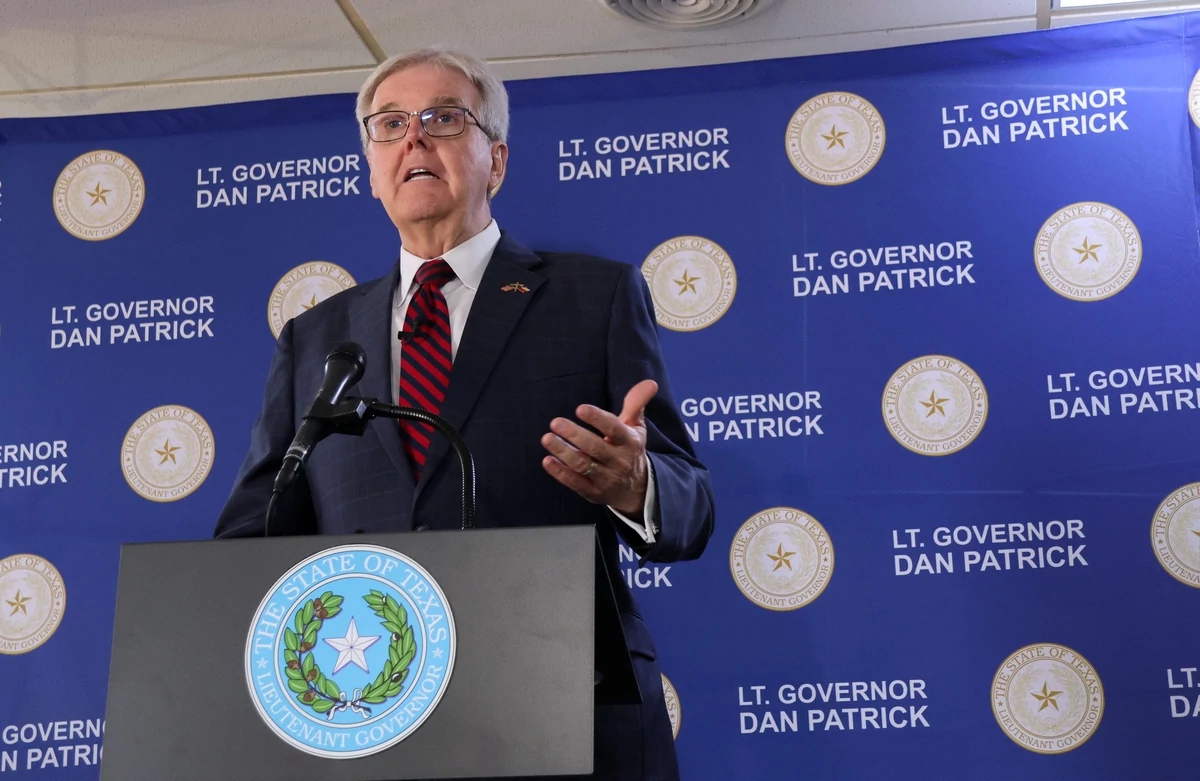
Texas lawmakers have the backing of Lt. Gov. Dan Patrick, the president of the Texas Senate, who has already targeted prediction markets in a legal crackdown.
There has been an internal disconnect within the state thanks to Ken Paxton’s refusal to pick a side previously, but the message from the Texas Senate State Affairs Committee was loud and clear this week.
Senator Bob Hall chimed in at the meeting, saying flat out that the use of prediction market platforms “is gambling”. Hall has been fueling the fire against legalized sports betting in the state for years, and was one of the key decision-makers in the ridding of the Texas Lottery Commission in 2025.
Moving forward, Texas lawmakers have requested that senators examine prediction markets and compare them to traditional sports betting. The long-term goal should have the state seeking the passing of a law that fully bans prediction markets in Texas.
Texas is Becoming a Major Prediction Market Battleground
While Texas is far from the only U.S. state to battle prediction markets of legality, their eventual ruling could go a long way to sway other states in the future.
The main caveat with Texas compared to other states? They don’t allow sports betting in any capacity. In turn, if they can effectively rule that prediction market sites conduct anything remotely close to wagering on sporting events, they could lump them in with sportsbooks and ban them outright.
If Texas manages to classify prediction markets as gambling, other states could use that definition as they deal with their own cases.
The Trade Handle Prediction Markets Take
Texas lawmakers have long questioned the industry, but bold claims that Kalshi is utilizing a “loophole” and that the state views event contracts as full-blown gambling leaves no room for interpretation.
Like usual, prediction markets run the risk of being hurt by these legal situations, but some states are going to win some of these battles. For now, though, it means Kalshi and other prediction market sites are growing and getting the attention of lawmakers.
That may ultimately mean a temporary stay in Texas, but it does beg a different question; should this even be the choice of Texas lawmakers? With Kalshi already backed by federal law, the outcome of this case will do more than provide a legal definition; it will offer a clearer picture on the battle between state and federal roles in the online betting realm.