

The NFL prediction markets debate is heating up ahead of the regular season. Polymarket US withdrew two CFTC filings tied to NFL player participation only one day after submitting them, while the NFL is signaling that formal partnerships with prediction market platforms remain off the table. Put those developments together, and player participation contracts suddenly look like one of the industry's most interesting pressure points.
Polymarket did not explain why it withdrew the filings. Still, the timing stands out because Kalshi already offers similar contracts, including markets tied to whether certain players will compete in Week 1.
Polymarket Quickly Changes Course
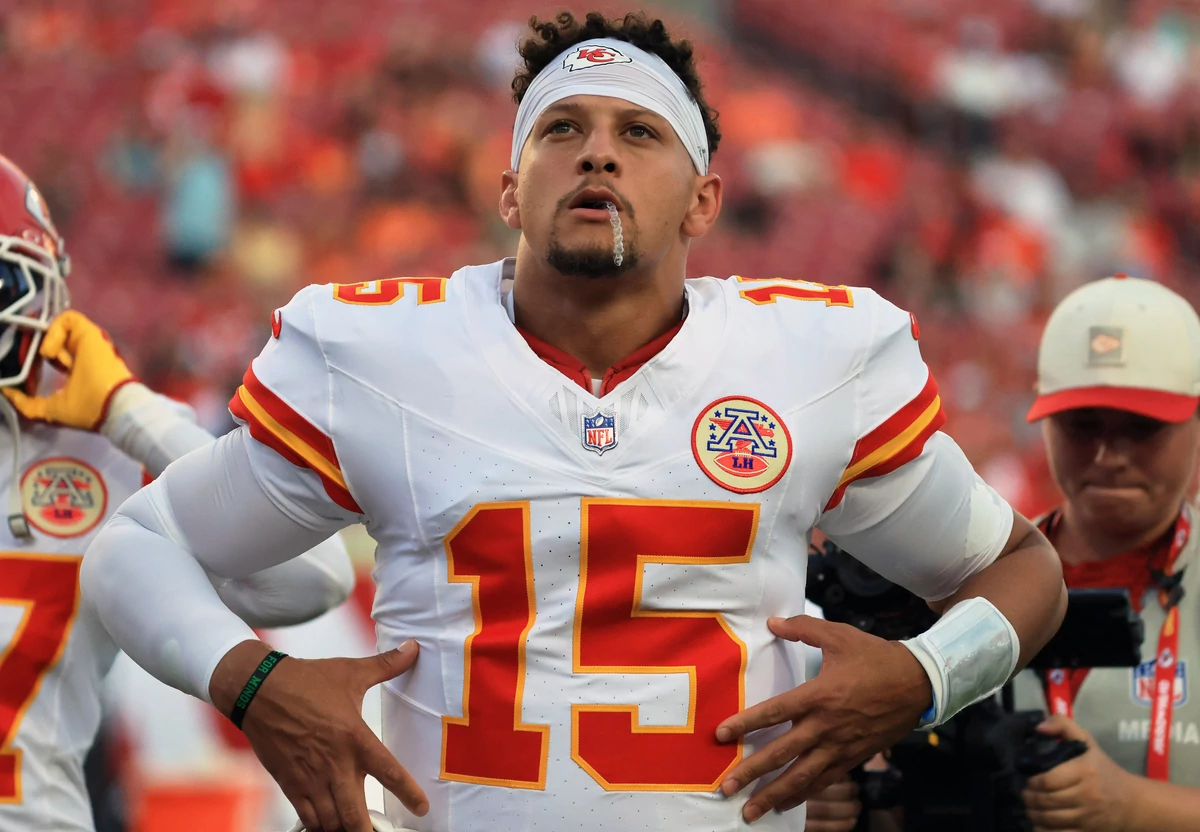
Polymarket US originally self-certified contracts covering player participation, including one asking whether Kansas City Chiefs quarterback Patrick Mahomes would participate in the team's Week 1 game. The contract would have settled based on whether Mahomes appeared in at least one play, rather than whether he was officially listed as injured.
That distinction matters. The CFTC's proposed event contract rules specifically raise concerns about markets settling on the occurrence, severity, duration, or diagnosis of player injuries. Participation technically creates a different question, but the information needed to trade those markets can still overlap heavily with private medical and team information.
A few key details make Polymarket's reversal especially notable:
- The contracts were withdrawn just one day after certification.
- Polymarket gave no public explanation for the decision.
- Some separate starter-related contracts remain certified.
- Kalshi continues to offer player participation markets.
That last point could become particularly important. Polymarket stepping away does not settle the regulatory question, but it leaves Kalshi testing the boundaries without its biggest competitor beside it.
NFL Has its Own Concerns
The league appears increasingly uncomfortable with this category. Front Office Sports reports the NFL will not have prediction market partnerships in place when the season begins, despite discussions with companies including Kalshi and Polymarket. Player-related markets are apparently part of the concern.
A source familiar with the NFL's thinking described injury-related markets as "easily manipulable and offensive" to players. At the same time, the league has also pushed the CFTC for stronger integrity and consumer protections. The commercial contrast is interesting. NFL teams reportedly have interest in prediction market partnerships, yet the league currently is not allowing individual franchises to pursue those agreements.
Other Leagues Are Moving Much Faster
If you have followed prediction markets in professional sports, the NFL's cautious approach should look familiar. The league was slower than its peers to embrace other sports trading relationships, and it appears prepared to follow a similar playbook here. Other leagues have moved much further.
The NHL already has relationships with Kalshi and Polymarket, while individual hockey teams have signed their own agreements. MLB has also opened the door, with Polymarket establishing a league relationship and several clubs partnering with Kalshi, Polymarket, or Novig. The NFL is effectively watching everyone else experiment first.
The Trade Handle Prediction Markets Take
Polymarket withdrawing these contracts becomes more interesting when you place it beside the NFL's position. We still do not know why Polymarket reversed course, so treating the withdrawal as proof of a regulatory problem would go too far. What we do know is that player participation creates a difficult line for prediction markets to walk.
You can structure a contract around whether someone plays instead of whether someone is injured, but the underlying information can be almost identical. With Kalshi moving ahead, Polymarket pulling back, and the NFL raising concerns, we may soon find out exactly where regulators believe that line belongs.