


Prediction market marketing is getting a closer look in New York City. The New York City Council has opened an investigation into the advertising practices of Polymarket, Kalshi, Coinbase, and Gemini Titan, adding another layer of scrutiny to an industry already facing numerous regulatory questions. This time, though, the focus isn't on whether event contracts violate New York gaming laws.
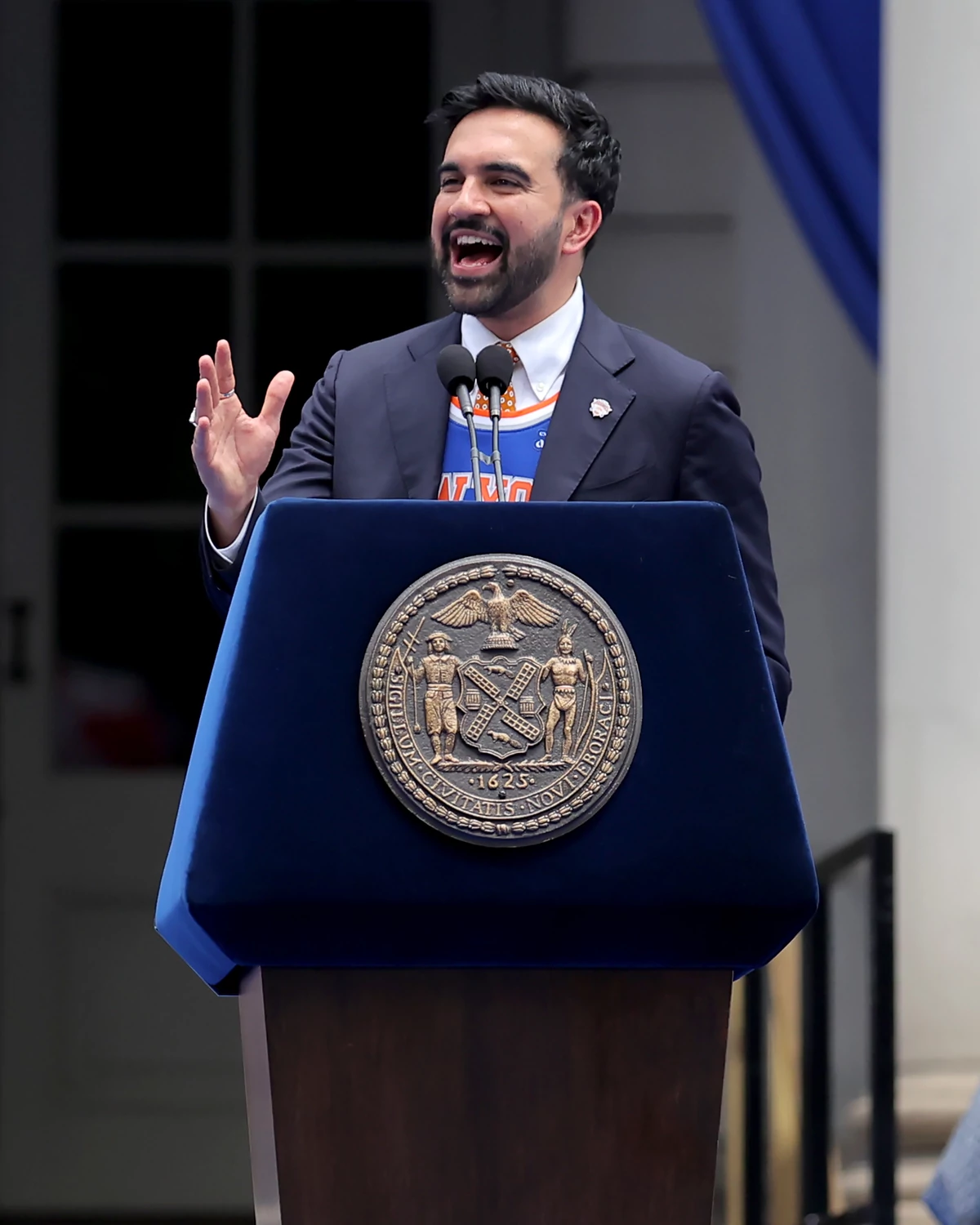
Council Speaker Julie Menin wants to know how these platforms promote themselves, particularly to younger consumers. The council has been examining allegations of misleading or potentially harmful marketing for months and now wants detailed answers directly from four of the industry's biggest names.
Four Platforms Have Some Homework to Do
Menin sent letters to the four companies asking for information about their businesses and promotional practices. The requests reportedly include more than 60 questions, with the platforms given 14 days to respond.
The investigation is looking at areas including:
- Marketing practices targeting New York consumers
- Relationships with influencers and content creators
- Revenue and operational information
- Promotional policies and internal guidelines
- Potential effects on younger users
Polymarket, Kalshi, and Gemini are all headquartered in New York City, giving the council an obvious local connection. Coinbase operates out of Texas but has announced plans for a significant expansion of its New York workforce.
Polymarket's Marketing is Part of the Story
Polymarket's previous promotional activity appears to be one of the catalysts behind the broader investigation. A Wall Street Journal report in June alleged that some creator campaigns made it appear participants were successfully trading their own money when that wasn't actually the case. That reporting also led to a Commodity Futures Trading Commission investigation.
Polymarket has already started making changes. CNBC reported this week that the company reorganized its marketing team, updated guidelines for promotional partners, trained staff on new policies, and brought in a third-party consulting firm to monitor promotional content.
The council now wants to know whether similar practices exist elsewhere in the prediction market industry. A public hearing is also planned, although a date hasn't been announced.
This isn't the Same Fight New York is Already Having
Here's where things get a little complicated. New York state is already involved in separate legal fights with several prediction market companies, but the City Council isn't investigating the same issue. Attorney General Letitia James has taken legal action against Kalshi, Coinbase, and Gemini, arguing their products violate state gaming laws.
Those companies maintain that their event contracts operate through federally regulated exchanges overseen by the CFTC. Polymarket isn't currently part of New York state's litigation. The City Council is instead focusing specifically on advertising and consumer protection. That distinction matters because it means prediction market companies could face questions from New York on multiple fronts simultaneously.
The Trade Handle Prediction Markets Take
Prediction markets have spent much of 2026 fighting over who gets to regulate them. This investigation shows that the conversation is beginning to stretch beyond that question. Even if federal regulators ultimately maintain broad authority over event contracts, cities and states may still look for other ways to address how these products reach consumers.
We think marketing was always going to become part of that conversation as prediction markets grew more mainstream. Platforms are spending more on partnerships, influencers, advertising, and customer acquisition, which naturally brings more attention to how those campaigns work.
The important thing now is what the council actually finds. An investigation doesn't mean the four companies did anything wrong. Still, the responses and eventual hearing could give you a much clearer picture of how prediction market marketing will be treated as the industry continues growing.