


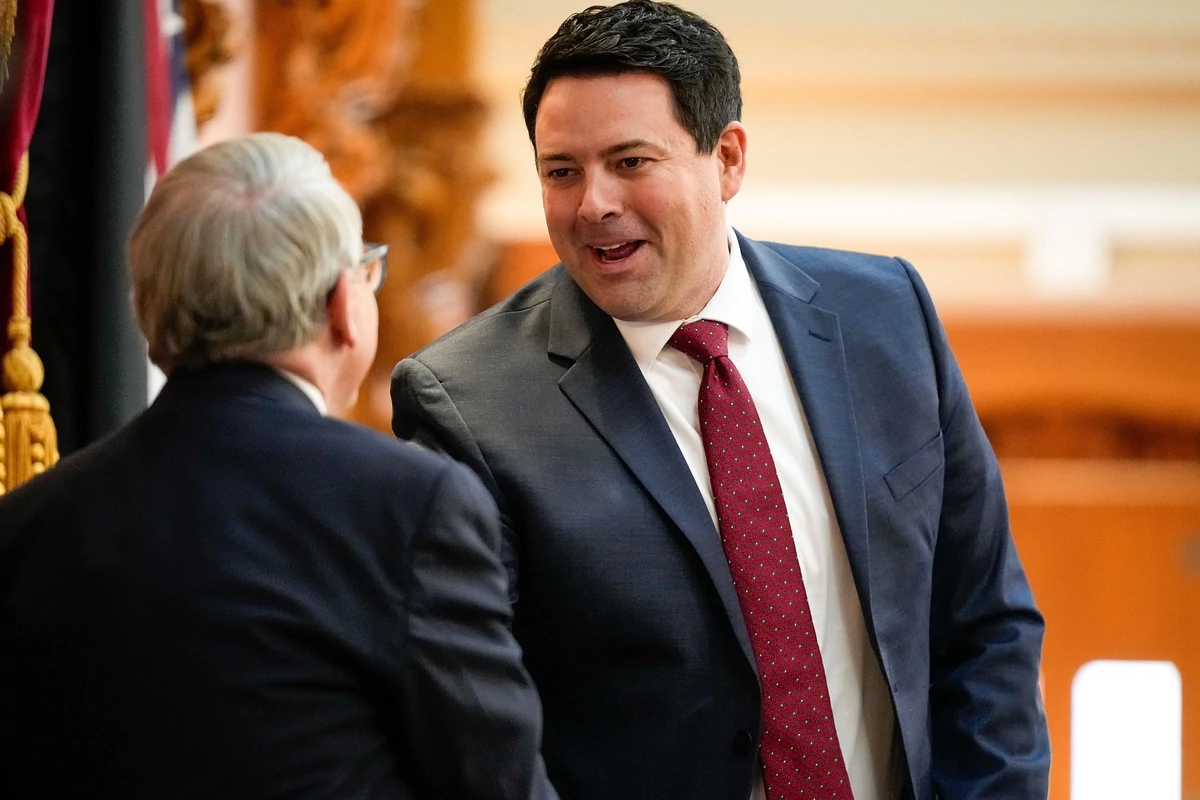
Ohio Gov. Mike DeWine says the state plans to enforce its laws against Kalshi after a federal appeals court handed Ohio a significant victory in its fight over prediction markets. DeWine said Monday that Kalshi should face a $5 million fine and register under Ohio's sports gaming framework. However, the state had not announced the specific next enforcement steps as of Monday evening.
The comments come just days after the Sixth Circuit Court of Appeals ruled in cases involving Ohio and Tennessee. The unanimous three-judge panel held that Kalshi had not shown its sports event contracts qualify as swaps covered by the Commodity Futures Trading Commission's exclusive jurisdiction and also rejected Kalshi's federal preemption arguments at this stage.
DeWine Says Ohio Will Enforce its Rules
DeWine isn't treating the ruling as the end of the story. He told News 5 Cleveland that Ohio has missed out on revenue while Kalshi operated outside the state's regulatory system and said, "We will certainly enforce the law."
Ohio's sports gaming framework includes several requirements that Kalshi currently does not follow. The Sixth Circuit noted that Ohio requires licenses, imposes consumer protections and sets a minimum age of 21 for the regulated activity covered by those laws.
According to DeWine and the News 5 report, the state's potential requirements include:
- A $5 million fine sought by DeWine
- Registration under Ohio's sports gaming system
- Licensing that can carry high costs
- A 20% state tax
- A minimum age of 21
Kalshi isn't Backing Away
Kalshi disagrees with the Sixth Circuit and indicated that further legal review could be coming. Spokesperson Dani Lever said the company does not believe the ruling will survive further review and disputed the court's interpretation of what qualifies as a swap.
Lever also returned to an argument that has become central to Kalshi's legal strategy: prediction markets shouldn't operate under different rules every time a trader crosses a state line. Kalshi has maintained that its status as a federally regulated designated contract market places its event contracts under the CFTC's authority.
The Sixth Circuit Decision Goes Beyond Ohio
The Sept. 25 ruling combined disputes involving both Ohio and Tennessee. An Ohio federal district court had previously denied Kalshi a preliminary injunction, while a Tennessee district court had reached the opposite conclusion and granted one.
The Sixth Circuit affirmed the Ohio decision, vacated the Tennessee injunction and sent the cases back for further proceedings. Importantly, these cases arose from requests for preliminary injunctions, so litigation can continue even though states gained an important ruling on the issues before the appeals court.
Another Split is Taking Shape
You can now see why the state-by-state issue is becoming so difficult for prediction market platforms to predict. The Third Circuit previously upheld preliminary relief for Kalshi in New Jersey, while the Ninth Circuit sided with Nevada in August. The Sixth Circuit has now landed on the state-friendly side of that divide in the Ohio and Tennessee cases.
That leaves Kalshi navigating different outcomes across federal appeals courts. The Sixth Circuit itself noted the conflicting Third and Ninth Circuit decisions, while a related Fourth Circuit appeal remained pending when its opinion was issued.
The Trade Handle Prediction Markets Take
Ohio isn't simply celebrating a courtroom victory. DeWine is signaling that the state intends to turn that ruling into actual enforcement, which makes what happens next worth watching closely. For Kalshi, the bigger issue remains the growing possibility of different rules across different states.
We have already seen conflicting court decisions, and Ohio is now talking openly about fines, licensing, and taxes. That makes this more than another legal headline for prediction markets: the consequences of the state-versus-federal fight are becoming increasingly practical.